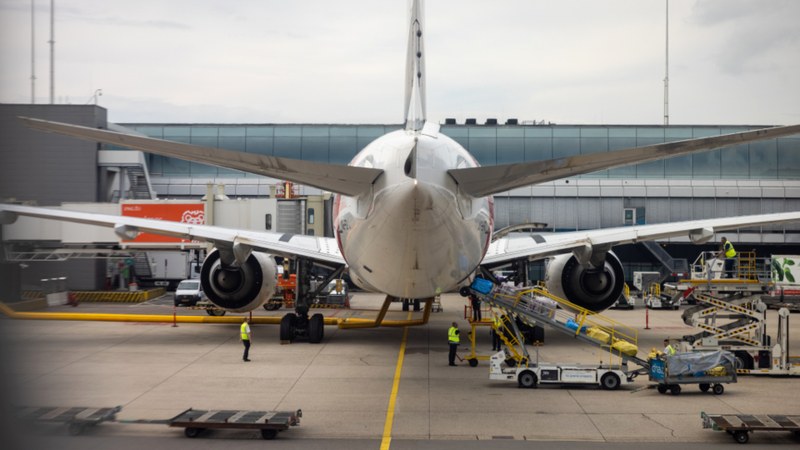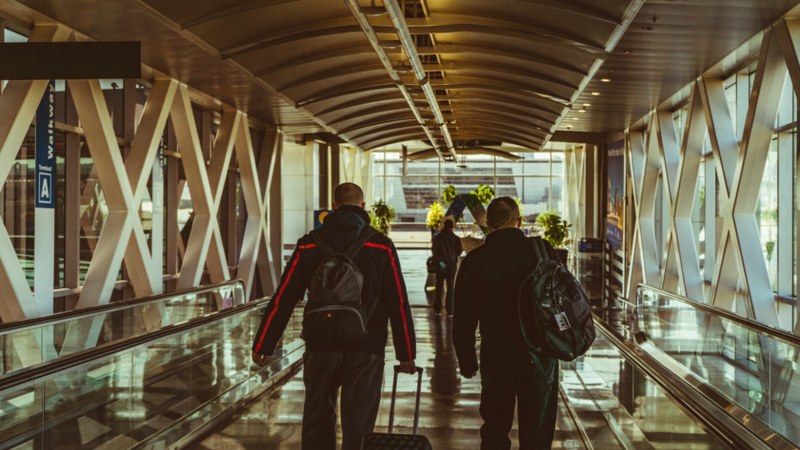
More than 500 flights were cancelled and over 4,000 delayed across New York-area airports by midnight on July 11, 2026, following severe thunderstorms combined with chronic air traffic controller shortages. The disruption affected major hubs including John F. Kennedy International Airport, LaGuardia Airport, Newark Liberty International Airport, and Philadelphia International Airport.
FAA Ground Stops and Delay Programs Implemented
The Federal Aviation Administration’s Air Traffic Control System Command Center deployed successive ground stops and ground delay programs at JFK, LaGuardia, Newark, and Philadelphia airports. These measures aimed to manage reduced arrival and departure capacity by temporarily halting outbound flights and slowing inbound traffic flow to maintain safe aircraft
separation during the severe weather and constrained operational conditions.
Causes of the Disruption: Thunderstorms and Staffing Shortages
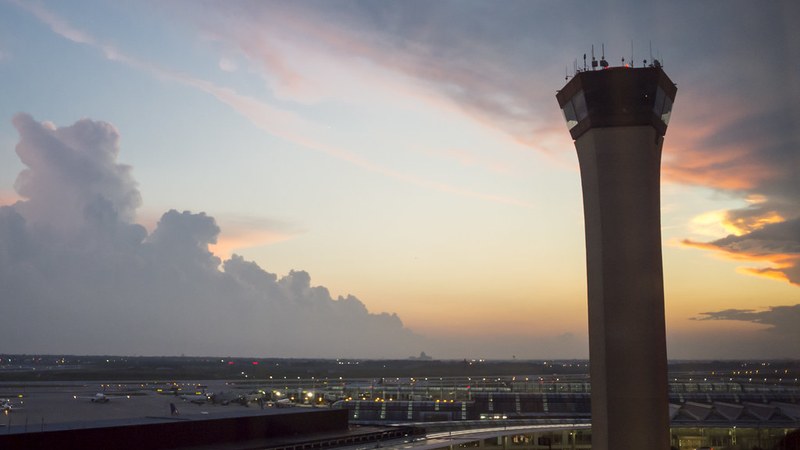
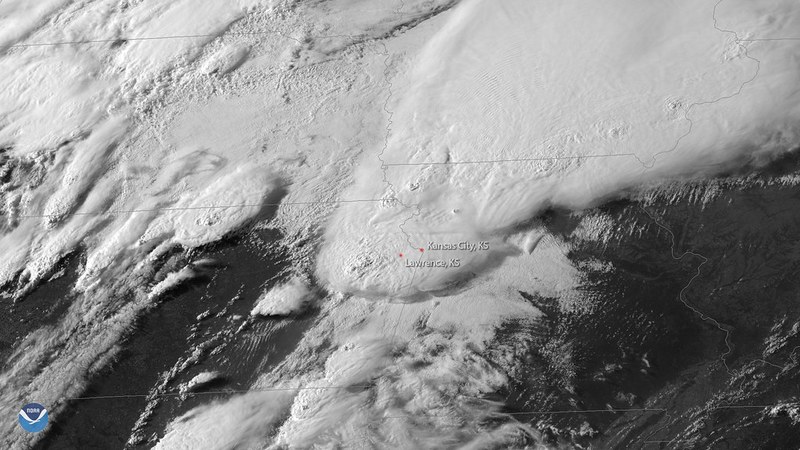
Rapidly developing severe thunderstorms moving through the New York metropolitan area on July 11 aggravated longstanding shortages of certified air traffic controllers. Reduced controller staffing limited management flexibility and capacity at the airports, intensifying delays and leading to widespread cancellations amid the adverse weather conditions.
Airports Affected and Their Role in National Aviation
JFK, LaGuardia, and Newark airports rank among the busiest and most interconnected globally, functioning as critical domestic and international hubs. Disruptions at these airports have cascading effects across the United States air traffic system. Philadelphia International Airport also experienced operational constraints during the event, further contributing
to delays in the Northeast corridor.
Impact on Travelers and Recovery Efforts
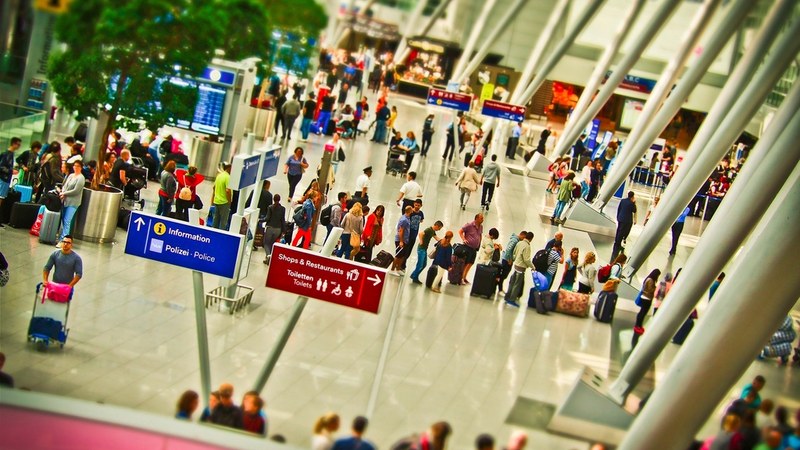
Thousands of passengers were stranded due to the cancellations and delays. Airlines worked overnight to reposition aircraft and crews to mitigate the disruption, but delays persisted well beyond the storms’ end. Passengers were affected by prolonged waiting times, with recovery from the event extending over several hours.
Industry Context: Summer Thunderstorms and Staffing Challenges
Summer thunderstorms routinely disrupt air traffic in the northeastern United States. However, persistent shortages of certified air traffic controllers worsen the impact by reducing system adaptability during adverse weather. Traffic management tools like ground stops and delay programs are essential to maintaining safe operations but lead to
longer delays and cancellations when staffing is insufficient.