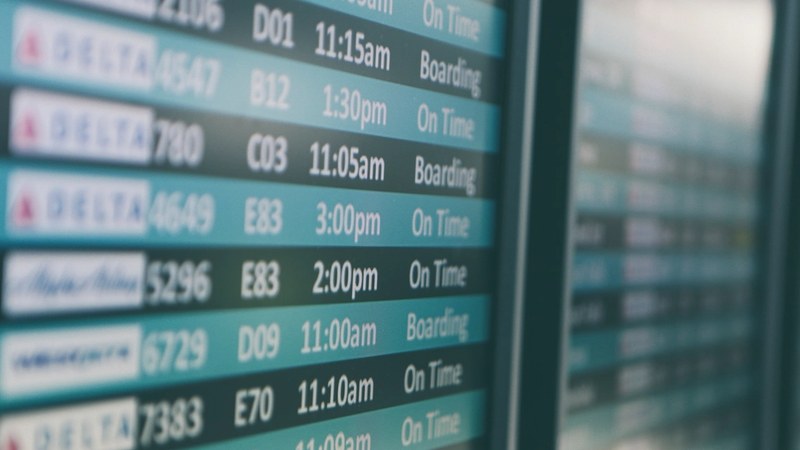
An air traffic controller strike in Norway on August 24, 2026, caused 150 flight cancellations and 2,110 delays across Europe, according to data recorded at 1:03 pm ET (5:03 pm GMT). Oslo Gardermoen Airport reported the highest cancellations with 75 flights grounded, while Bergen Flesland Airport saw 13 flights cancelled.
Avinor and Luftfartstilsynet Coordinate Delay Management Across European Airports
The strike affects Avinor, Norway’s state-owned airport infrastructure operator, disrupting local air traffic control services. Luftfartstilsynet confirmed operational shutdowns at state-owned terminals managing cascading delay logs that facilitate passenger rebooking across Schengen transit hubs. These disruptions have triggered cascading restrictions and closures in Europe’s airspace, amplifying delays and cancellations beyond
Norway.
Passenger Guidance and Rebooking Rights Under EC 261/2004
Travelers impacted by the strike should verify flight status online to reduce unnecessary airport trips amid congested parking and transfer areas. Regulation EC 261/2004 entitles passengers to rebooking, meals, hotel accommodation during overnight delays, and possible cash compensation related to cancellations. Rail travel is recommended for journeys under 300 miles within Western Europe to alleviate reliance on vulnerable short-haul flights, leveraging high-speed rail connections between cities like Paris, London, Amsterdam, and Brussels.
Broader Context: Industrial Actions and Air Traffic Challenges in Europe 2026
The Norway air traffic controller strike reflects a wider 2026 trend of regional union industrial actions and controller shortages that have transformed localized walkouts into continent-wide airport
closures. Airlines are managing cascading delays by coordinating passenger flows and collaborating with international insurance, hotel providers, and municipal airport authorities. The European transport sector is pursuing long-term solutions such as automated passenger rebooking systems, expanded high-speed rail corridors, and standardized air traffic control staffing agreements to reduce future disruptions.