Thousands of flights were delayed or canceled across major airports in the Northeast United States on Monday, September 21, 2026, following an equipment outage caused by a damaged telecommunications cable in New Jersey. The severed Verizon fiber line disrupted communications essential for the Federal Aviation Administration’s management of air traffic in a heavily trafficked corridor.
Ground Stops Extend Across Northeast Airports
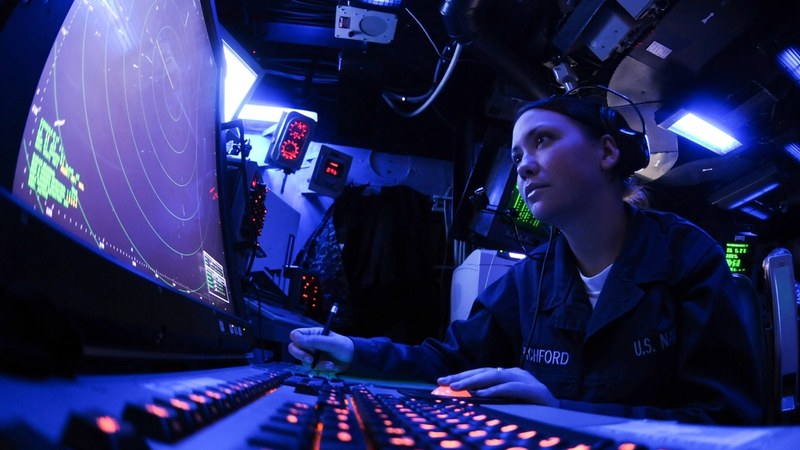
The outage affected the Philadelphia Terminal Radar Approach Control (TRACON) facility, triggering ground stops at Newark Liberty International Airport, Philadelphia International Airport, Teterboro Airport, John F. Kennedy International Airport, and LaGuardia Airport. Knock-on delays and flight diversions also impacted Boston Logan International Airport, stretching the
operational capacity of these hubs.
Flight Disruptions Concentrated at Newark and Philadelphia
Newark Liberty, a major United Airlines hub, saw over 1,000 flights delayed or canceled on Monday, with peak average departure delays exceeding five hours. Philadelphia arrivals were suspended for much of the day with a ground stop lasting until late afternoon; delays of at least two hours continued into the evening after the stop was lifted.
JFK, LaGuardia, and Boston Face Delays and Diversions
Operations at John F. Kennedy and LaGuardia airports slowed significantly, with reports of hundreds of delayed or canceled flights. Some aircraft in flight were diverted to alternate airports during the ground stops. Boston Logan International Airport recorded over 400
delayed flights and dozens of cancellations on Monday, partly due to diversions and weather-related knock-on effects linked to the disruption in New York and New Jersey airspace.
FAA and Airlines Respond; Repairs Completed by Monday Evening
The FAA classified the incident as an equipment outage and imposed ground stops to limit aircraft movements for safety while repair crews restored the severed fiber connection. Damaged telecommunications lines were repaired by Monday evening, allowing the FAA to lift ground stops at affected airports, though ground delay programs continued to manage traffic backlogs. Airlines issued travel waivers and flexible rebooking to affected passengers via social media and customer alerts.
Despite the technical
fix, ongoing delays and cancellations persisted into Tuesday, September 22, 2026, particularly at Newark and Philadelphia, as airlines faced challenges with repositioning aircraft, managing displaced crews, and addressing crew duty time restrictions.
Infrastructure Vulnerabilities Amplify Disruption
The event exposed vulnerabilities in the Northeast’s air traffic control infrastructure. Previous incidents at the Philadelphia TRACON facility included frequency problems and smaller outages, but the September 21 incident was one of the most significant equipment-related disruptions in recent years for the region. The single damaged Verizon cable underscored the system’s limited redundancy and the complexity of interconnected air traffic controls across New York, New Jersey, Pennsylvania, and
New England.