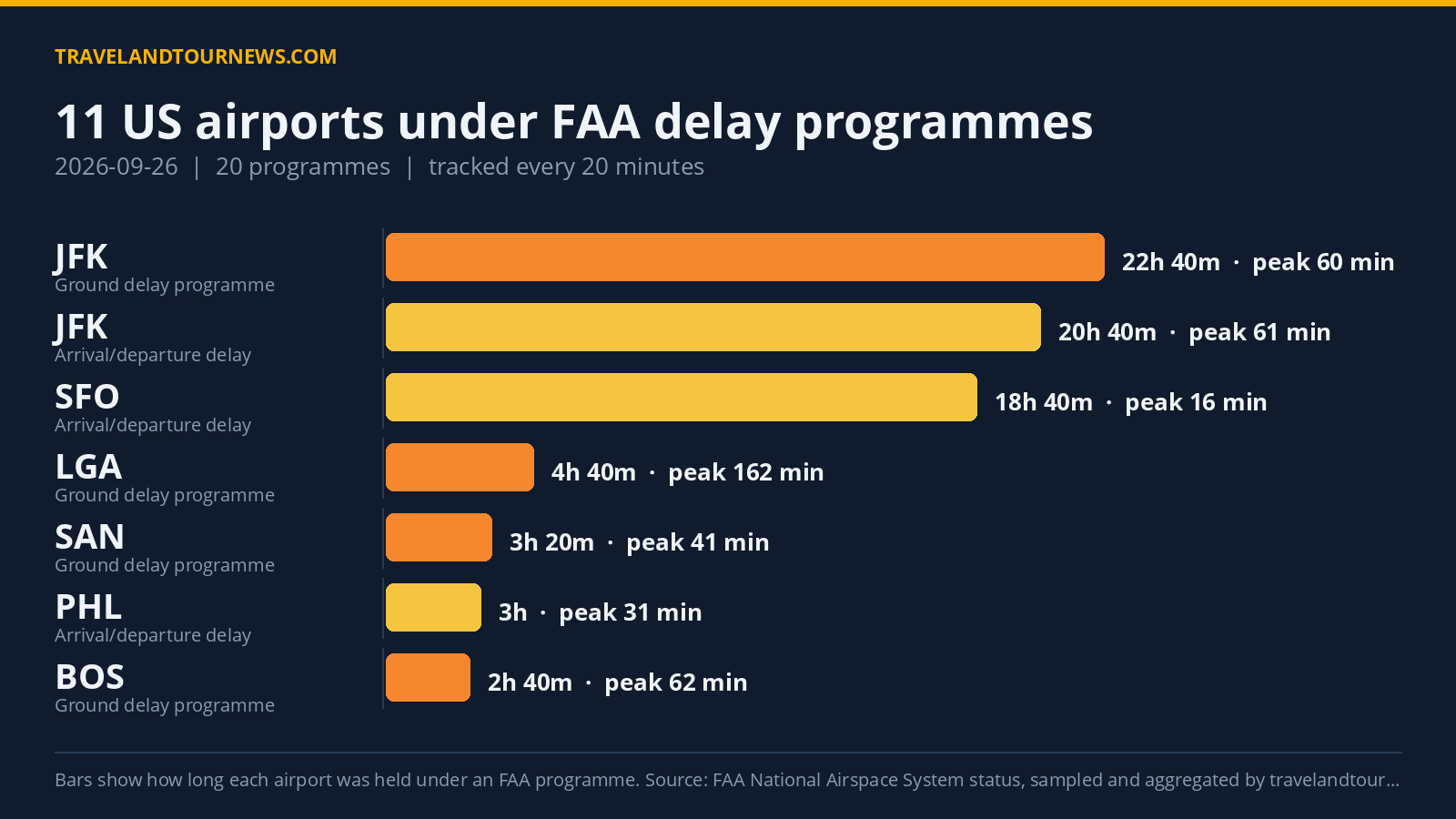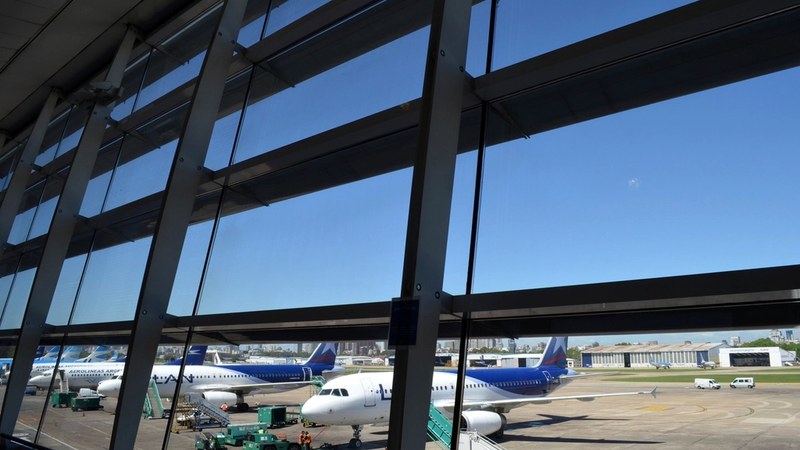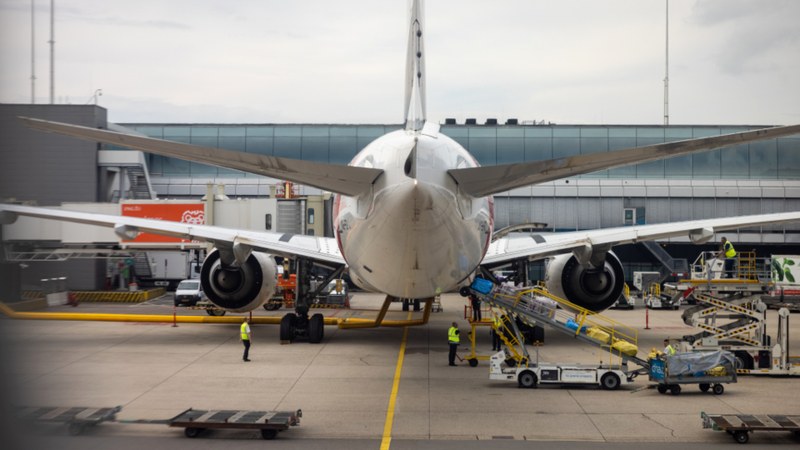
More than 400 flights were canceled and over 100,000 customers lost power across the US Northeast on September 26, 2026, as a powerful nor’easter swept the region, causing severe weather through the weekend. Boston Logan International Airport recorded at least 39 cancellations and 12 delays between 6 a.m. and 10 a.m. FlightAware reported about 425 cancellations and 1,338 delays across US airports on the day, reflecting widespread disruptions.
Northeast Coastal Areas and Transport Severely Affected
Coastal towns of New Jersey, such as Surf City and Manasquan, experienced flooding that led to evacuation notices and opening of an evacuation center at Sea Bright’s recreation center. Wind gusts reached
60-65 mph on Cape Cod, Martha’s Vineyard, and Nantucket, while Boston saw gusts of 50-55 mph and 35-40 mph inland. Public ferry services operated by Woods Hole, Martha’s Vineyard and Nantucket Steamship Authority suspended services to Nantucket and Martha’s Vineyard due to these conditions. Ferries to Block Island, Rhode Island, were also canceled.
Officials, Airlines, and Utilities Respond
JetBlue, United Airlines, and American Airlines waived change fees for affected travelers amid ongoing cancellations. PSEG Long Island reported approximately 13,300 customers without power as the storm began on Friday and restored power to more than 34,600 customers since then. By 1:07 p.m. on September 26, over
88,000 homes and businesses remained without power across New York, New Jersey, Connecticut, Massachusetts, and Pennsylvania. New York Governor Kathy Hochul warned of heavy rain up to 15 cm on Long Island and stated, “The rain is under way… Mark my words. Much more is coming.” New York City Mayor Zohran Mamdani urged residents, “Don’t travel if you don’t have to.” The National Weather Service warned of “major coastal flooding to the Mid-Atlantic Coast over multiple high tide cycles through the weekend” and advised preparation for “significant inundation in low-lying areas near the shore, including roads underwater and impacts to
homes and businesses.”
Flight Disruptions and Airline Actions
At Boston Logan International Airport, 39 flights were canceled and 12 delayed during the morning of September 26. New York’s John F. Kennedy International Airport reported 22 cancellations in the same period. Major US airlines affected include JetBlue, United Airlines, and American Airlines, which offered customers options to change flights without fees. The storm led to canceled flights to airports serving Nantucket and Martha’s Vineyard, severely affecting passenger movement in the region.
Power Outages and Utility Efforts
At the storm’s peak, more than 100,000 homes and businesses lost electricity due to downed trees and power lines. PSEG Long Island noted that the
storm brought down trees, branches, and wires affecting power delivery. Efforts to restore electricity have been ongoing, successfully reconnecting over 34,600 customers since Friday morning, though outages persist in multiple states across the Northeast.
Ferry Service Interruptions
Ferry services linking Cape Cod to Nantucket and Martha’s Vineyard were suspended on September 25 and 26. The Woods Hole, Martha’s Vineyard and Nantucket Steamship Authority spokesperson Sean Driscoll described the cancellations as “a nuisance,” but emphasized these interruptions are typical for this type of storm and assured that regular passengers usually have contingency plans.
Cancellations of Major Events
Storm conditions forced cancellation or rescheduling of key cultural and sporting
events. The Boston Red Sox moved their Sunday game against the Chicago Cubs to Friday, creating a split doubleheader. Ed Sheeran canceled his Friday and Saturday concerts at Gillette Stadium in Foxborough, Massachusetts. The Global Citizen festival scheduled for Central Park was canceled for safety reasons, the first cancellation in 14 years per organizers.
Traveler Impacts and Safety Warnings
The nor’easter disrupted travel for many on September 26, with over 400 flight cancellations and halted ferry services stranding some passengers. Residents in affected New Jersey coastal boroughs were urged to evacuate low-lying areas. New York City authorities recommended avoiding unnecessary travel due to strong winds
and potential hazards from downed power lines and flooding.