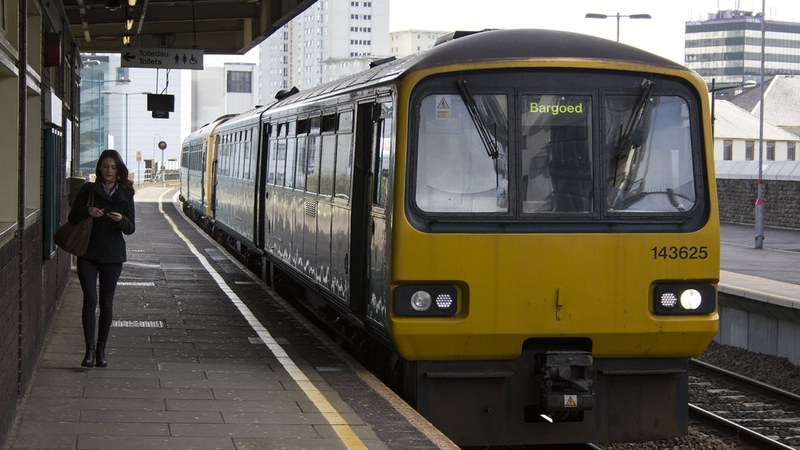
Network Rail will close the railway between Tonbridge and Wadhurst from Saturday, 24 October until Sunday, 1 November 2026, extending the closure to Battle on the final day. During this nine-day period, rail replacement buses will run between Tonbridge and Wadhurst, with additional bus services between Wadhurst and Hastings overnight on 31 October and buses operating between Tonbridge and Battle after 7am on 1 November.
Engineering work at Grove Hill Tunnel and line speed improvement
The main focus of the closure is the renewal of worn slab track inside Grove Hill Tunnel, south of Tunbridge Wells. This tunnel uses slab track set into concrete to reinforce stability. Engineers will replace
the existing track slab and upgrade key railway systems within the tunnel. Concurrently, remedial work will remove three temporary speed restrictions caused by soil shrinkage beneath the tracks, a consequence of the UK’s hottest and driest summer on record. Recent rainfall has restored sufficient soil moisture to allow realignment of the track and removal of these safety speed limits without extending the closure period.
Additional maintenance and inspection along the Hastings line
Teams will perform inspections and maintenance at Wadhurst Tunnel, including checking tunnel portals and shafts. Near Stonegate, earthworks, drainage, and track conditions will be examined to improve railway resilience. Etchingham station will see new power equipment
installation, canopy repairs, and bridge and drainage inspections. Further south, worn track components will be replaced near Robertsbridge and Mountfield, where the Mountfield Tunnel will also be inspected. Vegetation management, drainage studies, track upkeep, and structural examinations will take place across affected stations and tunnels to reduce future disruptions.
Passenger impact and station parking during closure
Passengers should anticipate increased journey times due to replacement buses operating between Tonbridge and Wadhurst throughout the closure. Between 10:30pm on 31 October and 7am on 1 November, buses will also substitute train services from Wadhurst to Hastings. After 7am on 1 November, replacement buses will run between Tonbridge and Battle.
Train services running from Tonbridge to Charing Cross, Redhill, Ramsgate, and Dover Priory will continue unaffected during this time.
Station car parks at Tunbridge Wells and Frant will have partially reduced spaces due to construction activities related to the Tunnel slab renewal. At Etchingham, Robertsbridge, Stonegate, and Wadhurst, car parks will be used for rail replacement bus operations, restricting parking availability. Tonbridge station’s car park is expected to be under high demand, and passengers are advised to arrive early to find parking. Customers needing assistance must continue to prebook as normal.
Official perspective on the Hastings line improvement programme
Southeastern’s Director of Safety and Performance described the work
as an important investment aimed at enhancing reliability for passengers and freight on the Hastings line across Kent and East Sussex. The slab track replacement at Grove Hill Tunnel is highlighted as a major engineering task combined with other upgrades during the closure to minimise future disruptions. The removal of temporary speed restrictions is expected to decrease journey delays. Passengers and local residents are thanked for their patience and are reminded to allow additional travel time due to bus replacement services taking longer than trains.
Context on Network Rail’s infrastructure role and upgrade plans
Network Rail owns and administers Britain’s railway infrastructure, managing 20,000 miles of track, over 30,000
bridges, tunnels, signals, and stations. The network typically handles nearly five million daily passenger journeys and more than 600 freight trains. The current maintenance and improvement project form part of the multi-billion pound Railway Upgrade Plan, designed to accommodate substantial passenger growth that has doubled over the last two decades. This extensive programme seeks to enhance safety, reliability, and performance across the national rail system.