A technical fault in the UK air traffic control system managed by National Air Traffic Services (NATS) led to more than 1,300 flight cancellations and widespread delays across the United Kingdom on September 8 and 9, 2026.
Major UK Airports and Airlines Impacted
The disruption affected at least 15 UK airports including Heathrow, Gatwick, Stansted, Luton, Manchester, Birmingham and Edinburgh. Heathrow Airport temporarily suspended arrivals on September 8 before resuming departures. Airlines including British Airways, Ryanair, Air India and easyJet experienced severe operational challenges. British Airways cancelled or diverted over 100 flights, impacting tens of thousands of passengers. Ryanair cancelled more than 50 flights and reported
disruptions affecting more than 65,000 passengers.
Air India announced diversions, delays and cancellations of multiple flights to and from UK airports. It cautioned that its aircraft and crews being out of position due to the disruption could cause further delays across its network. Dublin Airport in Ireland experienced knock-on effects with dozens of flight cancellations attributed to the UK air traffic control fault.
Passenger Experiences and Operational Challenges
Passengers faced extensive delays and cancellations. At Gatwick, some Ryanair passengers waited for about three hours on aircraft before cancellations were confirmed. British Airways passengers departing from Heathrow reported spending around four hours on the ground before
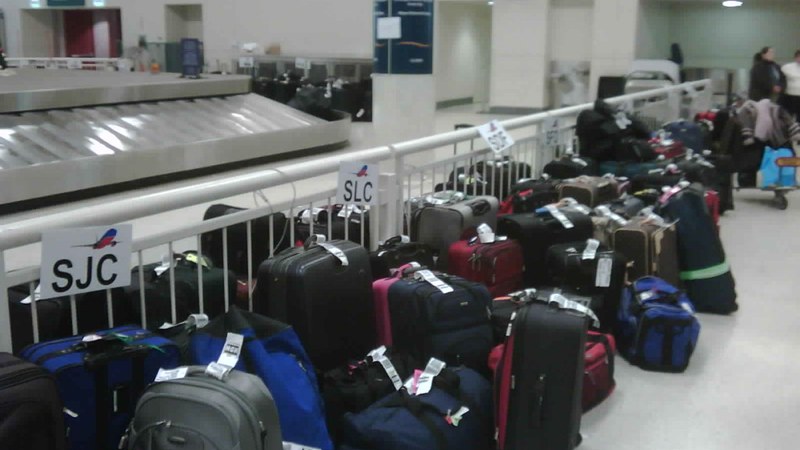
disembarking. Baggage retrieval was also problematic at Heathrow following the disruption.
The fault’s impact on aircraft and crew positioning created a complex recovery scenario for airlines. British Airways described that aircraft and crew being out of position added to schedule recovery difficulties, labeling the issue as “entirely out of our control” and frustrating for customers and staff.
Official Statements and Calls for Accountability
NATS confirmed resolving the technical fault by early September 9 but warned that restoring normal flight operations across the network would take significant time. A NATS spokesperson stated, “Work is continuing to assist airlines and airports recover from today’s disruption. This has been
a very complex recovery and has created difficulties for the whole aviation network.”
Transport Secretary Heidi Alexander signaled government scrutiny of the incident, stating, “I’m seeking assurances that lessons will be learned and systems that support aviation are up to the job.” Meanwhile, Ryanair chief operating officer Neal McMahon publicly demanded the removal of NATS CEO Martin Rolfe, accusing him of failing UK travellers and calling for government intervention.
Background of Previous NATS Failures
This latest incident follows major NATS technical failures in August 2023 and July 2025. The 2023 failure disrupted the flight-planning system and affected more than 700,000 passengers while costing the industry
over £100 million in refunds and compensation. Afterward, UK aviation regulators mandated NATS to review its contingency plans. In July 2025, a radar-related problem caused over four hours of air traffic disruption at key UK airports including Heathrow.
Continuing Operational Impact
Despite resolving the technical fault, the movement of aircraft and crew across a tightly connected European network means disruptions will persist beyond September 9, 2026. Passengers encountered extended waits on the ground and in terminals, and airlines continue working to clear the backlog created by the fault. NATS and affected airlines have urged travelers to verify flight statuses ahead of travel as
recovery progresses.