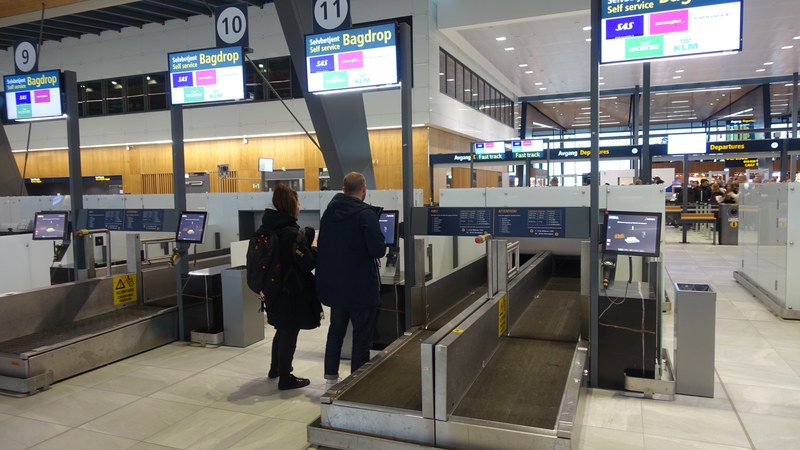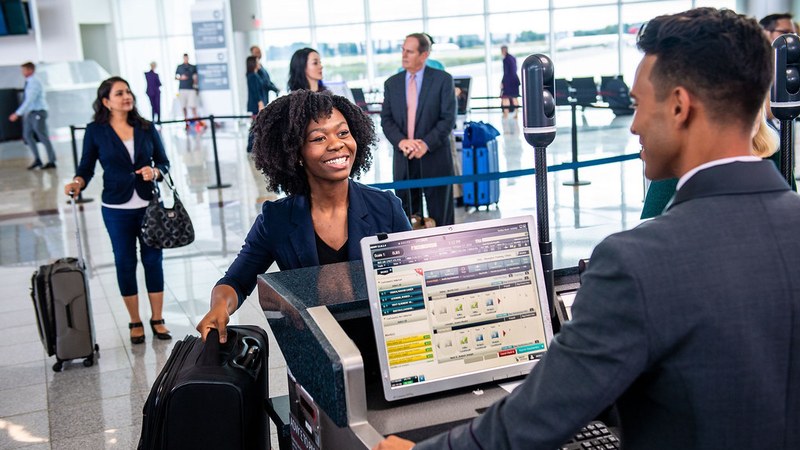
Kempegowda International Airport in India initiated biometric trials as part of the Digi Yatra program for international passengers in late 2026. The system uses facial recognition technology to streamline international passenger processing, aligning with the Indian government’s efforts to enhance travel security and efficiency.
Rising Passenger Acceptance of Biometric Technologies
The International Air Transport Association (IATA), comprising over 370 member airlines such as American Airlines, Delta Air Lines, Ryanair, United Airlines, and Lufthansa, released its 2026 Global Passenger Survey (GPS) on October 28, 2026. It collected responses from more than 10,000 participants across over 200 countries.
The survey indicated that 58% of passengers globally had experienced
biometric processing at airports in 2026, marking an 8 percentage-point increase from 50% in 2025. Passenger satisfaction with biometric experiences reached 87%. Additionally, 78% of travelers expressed willingness to share biometric data to avoid manual passport and boarding pass checks during airport security procedures.
Beyond biometrics, 84% of respondents showed interest in using digital passports for online check-in instead of physical passports. Moreover, 82% were open to sharing their digital travel ID with airlines at booking for more personalized services, including visa requirement information.
Government Policy and Frameworks for Biometric Travel
The Indian government’s Digi Yatra program aims to leverage biometric technologies to improve travel security and
efficiency. Nick Careen, IATA’s Senior Vice President of Operations, Safety and Security, emphasized the need for governments to agree on frameworks for issuing and accepting secure digital travel credentials.
Careen stated, “More passengers are experiencing biometrics during their travels. They like it and want more.” He added that establishing common policies for digital passports or Digital Travel Credentials is essential to making biometric processing the standard for international travel.
Traveler Impact and Opt-Out Policies at U.S. Airports
International travelers at Kempegowda Airport trialing the Digi Yatra biometric system can expect faster processing through facial recognition. Globally, biometric methods such as facial recognition, iris scanning, and fingerprint recognition are
increasingly used at airports to verify passengers.
In the United States, the Transportation Security Administration (TSA) allows passengers to decline facial recognition biometric processing without incurring additional delays or changing their place in security lines. Similarly, U.S. Customs and Border Protection offers American citizens alternative processing options if they refuse facial photo capture, typically involving manual document checks by officers.
IATA Survey Reflects Growing Biometric Adoption
The GPS data from IATA showcases expanding passenger acceptance and satisfaction with biometrics worldwide. The involvement of leading airlines such as American Airlines, Delta Air Lines, Ryanair, United Airlines, and Lufthansa in the association underscores the industry’s commitment to biometric
adoption.
Biometric technology supports quicker passenger throughput and enhances security, but consistent government coordination on digital travel credential frameworks remains critical to widespread adoption.