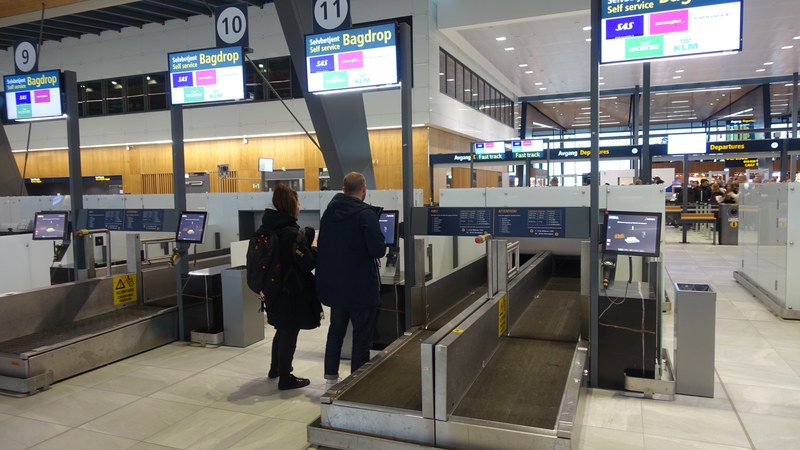
The International Air Transport Association (IATA) released its 2026 Global Passenger Survey on October 28, 2026, reporting that 58% of global travelers experienced biometric airport processing this year, up 8 percentage points from 50% in 2025. The survey sampled over 10,000 respondents from more than 200 countries and involved 370 member airlines, including American Airlines, Delta Air Lines, Ryanair, United Airlines, and Lufthansa. Passenger satisfaction with biometric experiences reached 87%, underscoring growing acceptance of the technology worldwide.
Passenger Willingness to Share Biometric and Digital Travel Data
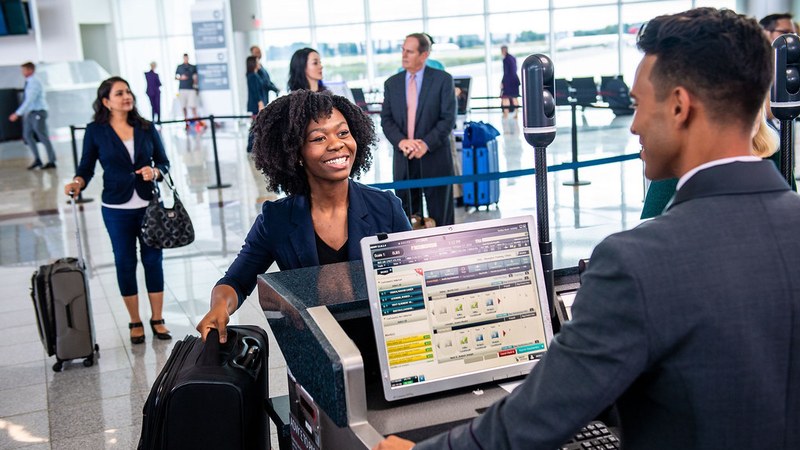
The 2026 survey found that 78% of passengers expressed willingness to share biometric data to bypass presenting passports and boarding passes during airport
security. Additionally, 84% showed interest in using digital passports for online check-in instead of physical documents. A majority of 82% are willing to share their digital travel identification with airlines during booking after payment to receive personalized services such as visa information. These data points reflect the influence of airlines like American Airlines, Delta Air Lines, and Lufthansa advancing biometrics and digital travel credentials.
U.S. Policies on Biometric Opt-Outs at Airports
In the United States, the Transportation Security Administration (TSA) permits travelers to decline participation in facial recognition biometric processing without affecting their screening wait times or the order of screening. Similarly, U.S. Customs and Border Protection
(CBP) offers U.S. citizens alternative manual document review for those who refuse facial photo capture. These policies ensure passengers can opt out of biometric facial scanning without causing delays or needing to change security procedures at U.S. airports.
IATA Calls for Government Coordination on Digital Travel Credentials
Nick Careen, IATA Senior Vice President of Operations, Safety and Security, stated, “More passengers are experiencing biometrics during their travels. They like it and want more.” He emphasized the benefits of biometrics in creating smoother journeys for passengers and more efficient and secure processes for governments and airlines. Careen urged governments to establish international frameworks for issuing and accepting secure digital passports,
also known as Digital Travel Credentials, to standardize biometric international travel and enhance security globally.