On August 11, 2026, Mount Etna’s volcanic eruption led to 98 flight cancellations at Catania-Fontanarossa Airport in eastern Sicily, accounting for roughly 43% of the 229 total cancellations across Europe that day. FlightAware reported 2,204 delays continent-wide by 5:27 PM GMT, with Catania recording an additional 23 delays amid these disruptions.
Volcanic Ash Cloud Forces Aviation Safety Measures
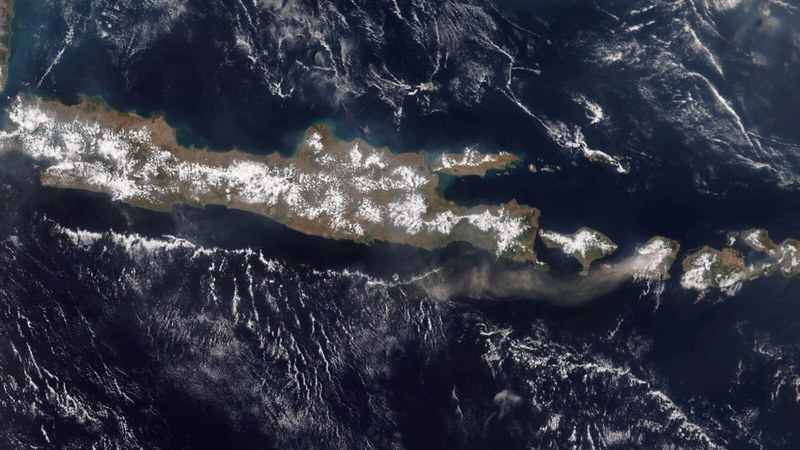
The eruption produced extensive clouds of volcanic ash and gas over eastern Sicily, including airspace near Malta. The ash contains abrasive glass particles capable of damaging jet engines, prompting Italian volcanic monitoring authorities to maintain the highest aviation alert level. This safety concern imposed strict airspace restrictions and forced
airlines to cancel and delay flights to prevent damage and ensure passenger security.
Delays Spread Across Major European Airports
Besides Catania-Fontanarossa, significant flight delays appeared at major European hubs. Barcelona-El Prat Airport in Spain recorded the highest delay count with 282 flights affected on August 11, 2026. Rome Fiumicino Airport experienced 219 delays the same day as volcanic ash disrupted normal scheduling and increased passenger backlogs across airlines operating in the region.
Travel Guidance Amid Disruptions
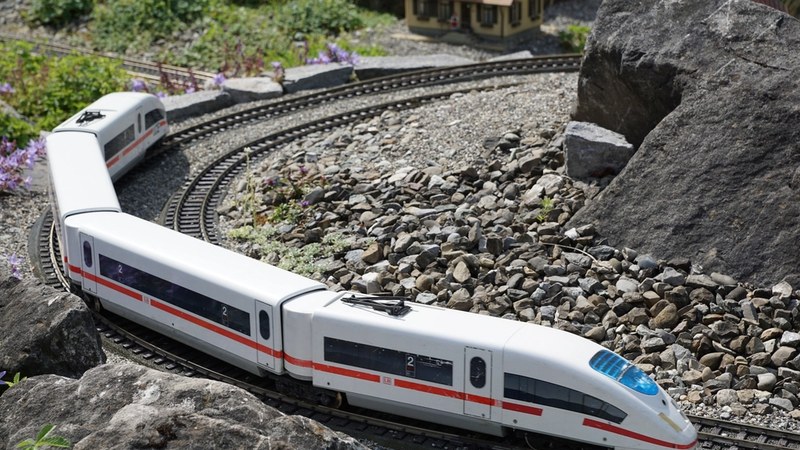
Passengers traveling through Catania and other affected European airports should prepare for cancellations and flight rescheduling. It is recommended to keep prescription medications, charging devices, and travel documents within carry-on luggage. Travelers in Italy
might consider using high-speed rail services as a reliable alternative ground transportation option. Rebooking directly through airline mobile apps or customer service desks is advised to manage disruptions.
Aviation Safety Alert and Coordination
Italian volcanic monitoring authorities continue to enforce the highest aviation alert level due to the hazards posed by volcanic ash. Coordination between geological monitoring bodies, meteorological offices, and civil aviation authorities remains critical to managing airspace safety and minimizing risks during ongoing volcanic activity. These efforts aim to protect passengers and maintain order in the air traffic system throughout the affected region.
Industry and Environmental Impact
The cancellations and delays generated by the volcanic ash cloud
contribute to increased carbon emissions through idling aircraft and extended holding patterns. This incident reflects the vulnerability of European aviation to natural phenomena disrupting airspace. Investments in real-time ash cloud tracking and adaptive flight routing are essential to reduce future closures and mitigate disruption scope. Until such systems are fully implemented, passengers must expect uncertainty and consider alternative travel plans during natural hazard events.