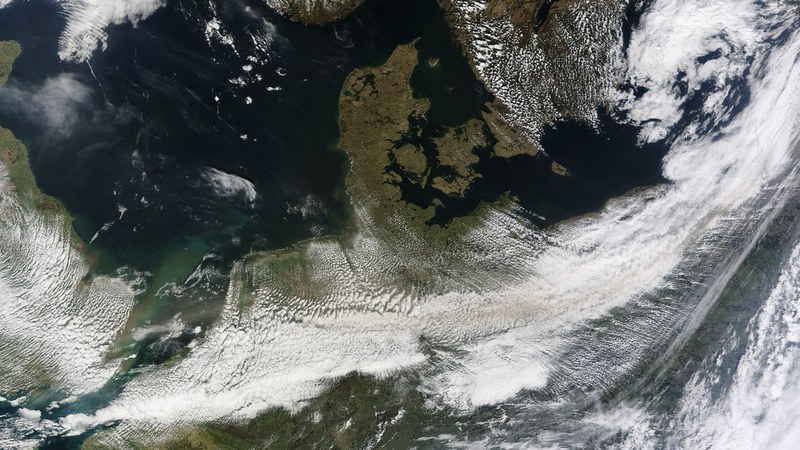
Mount Etna’s volcanic eruption on August 11, 2026, produced large clouds of volcanic ash over eastern Sicily, forcing 98 flight cancellations and 23 delays at Catania-Fontanarossa Airport. This event caused significant disruption to air travel in the region.
Flight Delays and Cancellations Across Europe
FlightAware data recorded 2,204 flight delays and 229 cancellations Europe-wide as of 1:27 PM ET on August 11, 2026. Catania-Fontanarossa Airport accounted for approximately 43% of the cancellations with 98 flights grounded. The ash cloud’s impact extended beyond Sicily, affecting airspace near Malta and triggering widespread operational challenges.
Aviation Hazards from Volcanic Ash
The eruption from Mount Etna, one of the world’s most active volcanoes, released volcanic
ash containing glass particles that pose serious threats to jet engines. In response, Italian volcanic monitoring authorities maintained the highest aviation alert level to mitigate the hazard, resulting in airspace restrictions over eastern Sicily and neighboring regions.
Impacts on Major European Airports
In addition to disruptions at Catania-Fontanarossa, other major European airports experienced heavy delays. Barcelona-El Prat Airport reported 282 delayed flights, the highest among affected hubs, while Rome Fiumicino Airport recorded 219 delays. Passenger backlogs and airspace closures contributed to operational difficulties across southern Europe’s air network.
Passenger Guidance and Environmental Consequences
Travelers affected by flight cancellations and delays were advised to contact their airlines for rebooking options and
consider traveling by high-speed rail within Italy. Long airport hold-ups necessitated keeping essential items like prescription medications and travel documents in hand luggage. The extended ground time for aircraft due to cancellations increased aviation’s carbon footprint through fuel consumption during idling and holding patterns.
The eruption underscores European aviation’s exposure to natural hazards and the need for continued investment in real-time volcanic ash detection and flexible flight-routing systems to limit closures and delays. Coordination among geological agencies and civil aviation authorities remains critical for ensuring flight safety during such events.