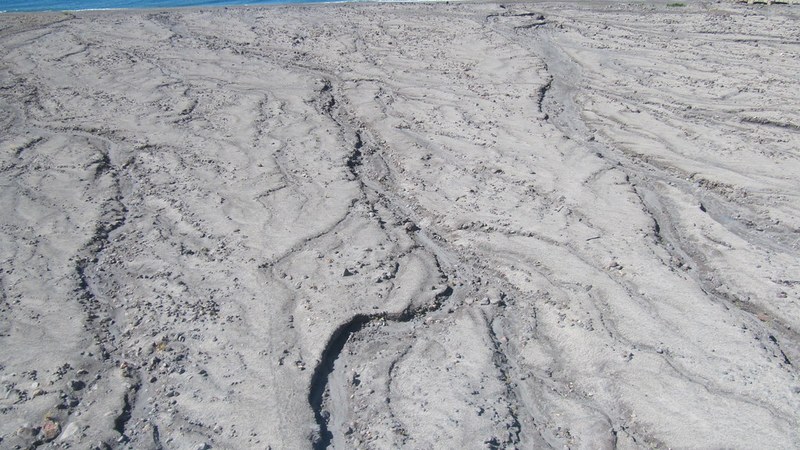
Mount Etna’s volcanic eruption on August 11, 2026, caused major flight disruptions at Catania-Fontanarossa Airport in eastern Sicily, Italy. The airport recorded 98 flight cancellations and 23 delays as volcanic ash spread over the region.
European Flight Disruptions Extend Beyond Sicily
According to FlightAware data compiled at 1:27 PM ET on August 11, 2026, a total of 2,204 flight delays and 229 cancellations took place across Europe. The 98 cancellations at Catania-Fontanarossa represented about 43% of all European cancellations that day. Barcelona-El Prat Airport in Spain saw 282 flight delays, the highest among affected European hubs, while Rome Fiumicino Airport in Italy reported 219 delays.
Volcanic Ash Causes Aviation Safety Alerts
Mount
Etna, one of the most active volcanoes globally, ejected large ash and gas clouds into eastern Sicily’s airspace on August 11, 2026. Volcanic ash contains glass particles hazardous to jet engines, prompting Italy’s volcanic monitoring authorities to maintain the highest aviation alert level. The ash cloud also affected airspace near Malta, resulting in widespread airspace restrictions in southern Europe.
Passenger Impact and Travel Alternatives
Passengers experienced significant cancellations and delays at Catania-Fontanarossa. Across Europe, the volcanic activity contributed to congested airspace and backlogs at major airports. Travelers disrupted by cancellations were advised to contact their airlines for rebooking options. In Italy, high-speed rail provided a
reliable alternative for affected routes, avoiding airspace closed due to ash hazards.
Operational Context and Industry Response
Flight cancellations increase environmental impacts due to idling aircraft and stranded passengers. The eruption underscores the vulnerability of European aviation to natural hazards. Coordination between geological monitoring, meteorological services, and civil aviation authorities is critical to maintaining safety during such events. Investments in real-time volcanic ash tracking and flexible routing aim to reduce future airspace closures.