Morocco recorded 9.4 million visitor arrivals during the first half of 2026, a 6% increase compared with the same period in 2025, according to data from the Directorate of Financial Studies and Forecasts (DEPF). This growth was driven largely by international tourists and Moroccans residing abroad, who together accounted for a substantial portion of border crossings.
Overnight stays in formally classified tourist accommodations escalated by 23.5% in the first quarter and by 21.2% in the second quarter of 2026. These steady increases reveal strong and sustained demand across Morocco’s main destinations.
Tourism Hubs and Emerging Destinations
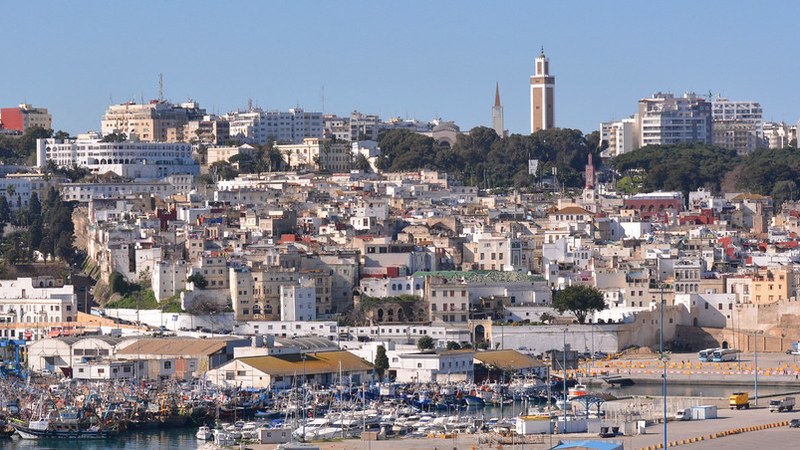
Traditional centers such as Marrakech and Agadir continue to
dominate national tourism industry activity. Meanwhile, emerging regional areas including northern Morocco, Dakhla, Fez, and Meknes have expanded their market shares, driven by enhanced offerings in seaside, cultural, sports, and ecotourism segments.
Travel revenues reached approximately 53.8 billion dirhams by the end of May 2026, posting a 14.6% year-on-year increase. The growth in revenue outpaced visitor arrival numbers, reinforcing tourism’s importance to Morocco’s foreign exchange reserves and overall balance of payments.
Expanded Air Connectivity
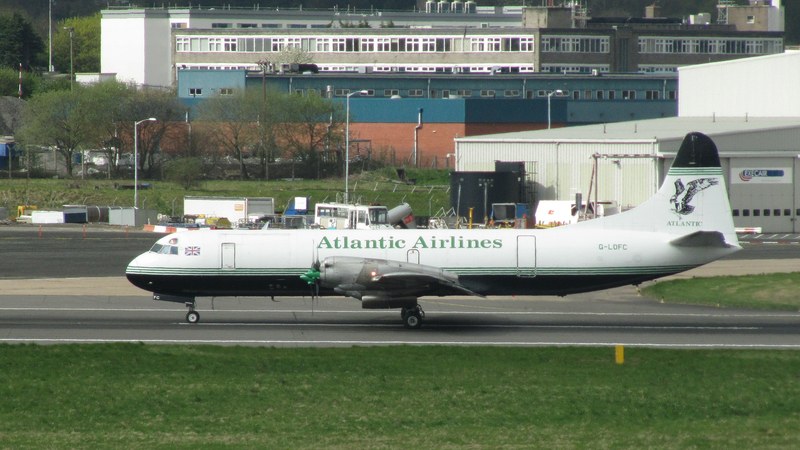
Strategic partnerships between the Moroccan National Tourism Office (ONMT), commercial airlines, and industry players have led to expanded direct flight routes and increased seat capacities. These improvements enhance links
between Moroccan cities and key European and global source markets.
The ONMT and its partners continue to implement a sector development roadmap focused on diversifying tourism activities into desert, cultural, business, and nature-based categories, complementing the strong performance across traditional and emerging destinations.