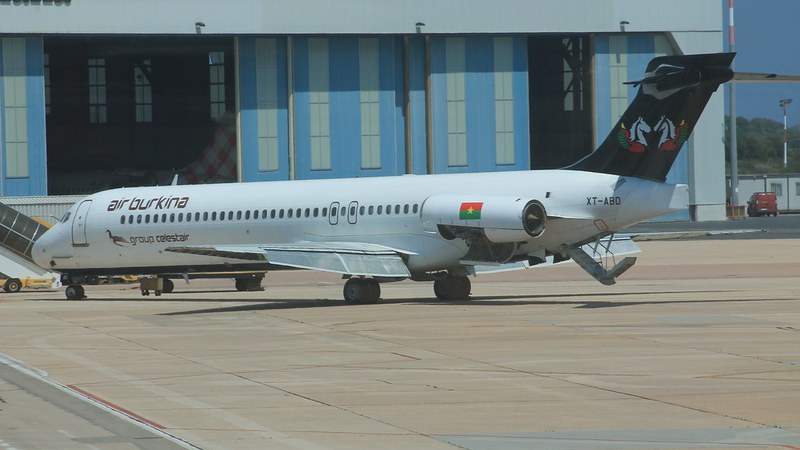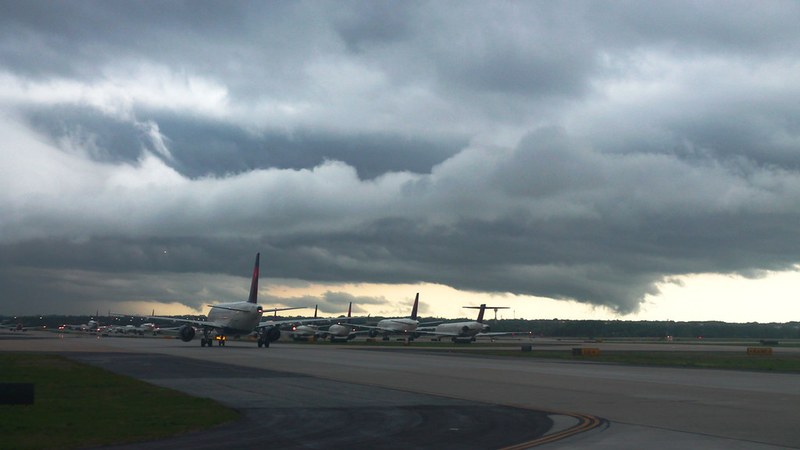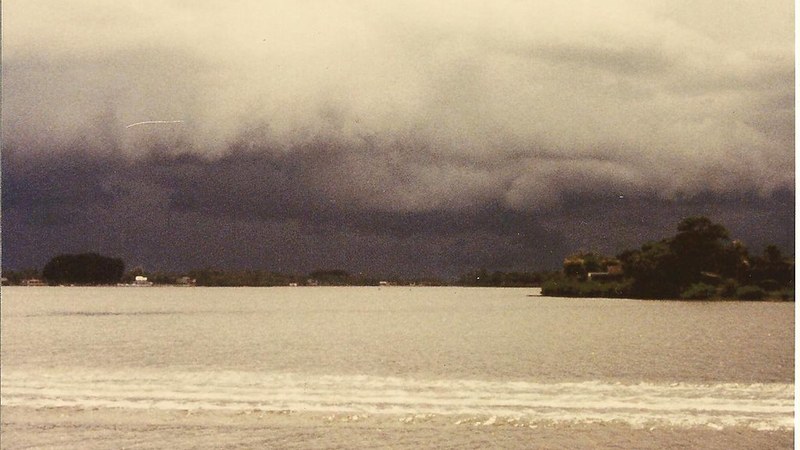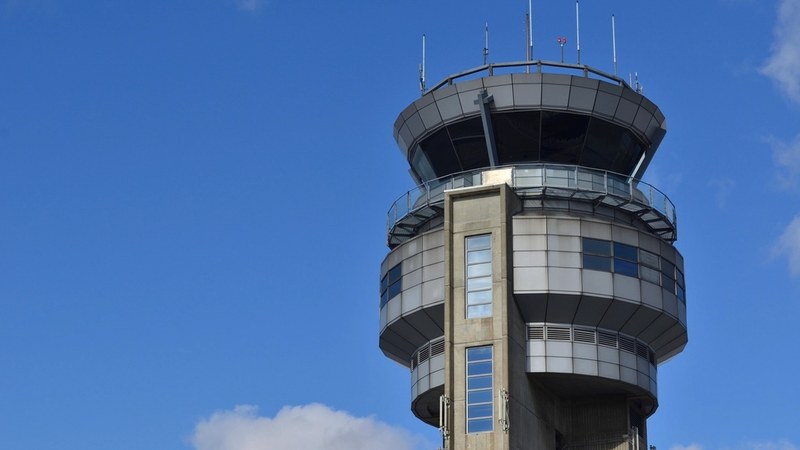
The Federal Aviation Administration issued ground stops at 10 U.S. airports, including LaGuardia Airport in New York, on September 3, 2026. Ground stops prevent any departures from the affected airports, a stricter measure than ground delays, which assign staggered departure times. These actions aimed to manage severe thunderstorms disrupting air traffic in the Northeast corridor.
Major Airport Delays and Ground Delay Programs
During the storm, LaGuardia Airport experienced average departure delays of 45 minutes. Newark Liberty International Airport in New Jersey saw delays peak at an average of two hours. Boston Logan International Airport reported 19 delayed flights amid thunderstorms, the highest number nationwide for the period.
Meanwhile, ground-delay programs remained active at Newark, JFK, and LaGuardia airports as the FAA implemented controls to reduce congestion amid deteriorating weather conditions.
Prolonged Three-Day Thunderstorm Disruptions
Operations at Northeast and Mid-Atlantic airports faced continuous challenges from severe thunderstorms over three consecutive days: September 1, 2, and 3. This prolonged multi-day storm threat is rare for the region, contributing to sustained disruption of arrivals and departures across the tri-state area, including New York, New Jersey, and Connecticut. Thunderstorms also caused interruptions at Boston, Philadelphia, and Washington area airports.
System-Wide Cascading Effects During Labor Day Weekend
The storms coincided with Labor Day weekend travel, a period of heightened passenger volume. Flight cancellations
and delays across the affected hubs had cascading impacts on the national air traffic network. Stranded crews and delayed aircraft created knock-on effects extending beyond the Northeast, causing systemic disruptions even after storm activity diminished.
Airline Responses and Real-Time FAA Tracking
In response to weather-related cancellations and delays, airlines issued travel waivers permitting passengers to change flights or travel dates without fees. The FAA maintained real-time updates on active delays and ground stops through its National Airspace System Status page, continuously monitoring evolving conditions across the Northeast corridor.
Severe weather challenges on the East Coast have increased this season, with Tropical Storm Edouard making landfall in
Louisiana in late August, bringing 60 mph winds and setting a pattern of intense summer and early fall storms. The resultant multi-hub ground stops in early September reflect ongoing efforts to maintain air traffic safety amid frequent severe weather events impacting U.S. aviation.