Widespread Delays and Cancellations Impact US Summer Travel
The summer travel period of 2026 has seen significant disruptions at key U.S. airports, notably Los Angeles International Airport (LAX) and Newark Liberty International Airport. Increasing flight delays and cancellations have presented challenges to millions of passengers, both domestic and international, during what is typically a peak travel season.
Newark Liberty International Airport, a critical hub for transatlantic connections and domestic flights, has experienced numerous flight cancellations and more than 100 delays. These disruptions have also extended to some major carriers operating at the airport, including United, Delta, Philippine Airlines (PAL), and JetBlue. Meanwhile, LAX is facing prolonged delays due
in part to TSA security backlogs and operational bottlenecks.
Operational Stress on Major Airlines Amid Peak Demand
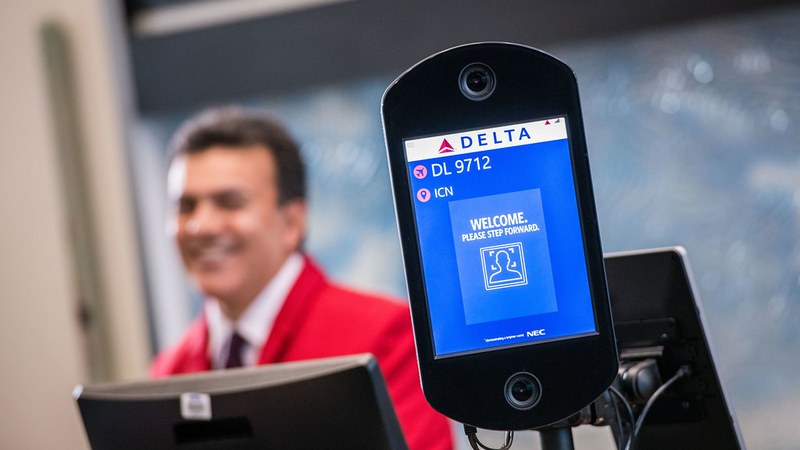
Delta Airlines and JetBlue have reported delays on multiple flights out of these airports. Such operational disturbances exacerbate the challenges faced by travelers and create ripple effects throughout the network. In addition to passenger inconvenience, airlines are tasked with managing reactive scheduling and customer service pressures amidst the ongoing interruptions.
The combined impact of security screening delays and ground operations has intensified the complexity of managing passenger flows, especially at LAX which sees substantial international and domestic transit. Continued coordination between airline operators and airport authorities is essential to align turnaround
times more closely with traveler expectations.
Travelers Face Extended Waits and Flight Uncertainty
Passengers traveling through LAX and Newark Liberty during the summer should anticipate longer wait times at security checkpoints and potential disruptions to flight schedules. Situational awareness becomes essential for travelers planning trips, as changes may occur with minimal advance notice.
Passengers are advised to monitor airline communications closely and consider flexible travel plans. Arriving at the airport well ahead of scheduled departure times remains prudent to accommodate security processing delays. Furthermore, alternative routing and connecting options may be necessary for some to mitigate the consequences of unexpected cancellations or delays.
Underlying Factors and Industry Response
While precise causes of
the current travel disturbances have not been fully detailed, operational complexity during peak summer periods plays a significant role. Staffing shortages, increased passenger volumes, and infrastructure constraints can collectively strain airport and airline operations.
Airports and airline partners are reportedly exploring measures to improve throughput, including enhanced staffing at TSA checkpoints and operational adjustments. However, the effectiveness of such actions may vary, and ongoing monitoring of the situation remains crucial.
Analyzing the Broader Significance
The travel challenges at LAX and Newark Liberty highlight the continuing volatility of airport operations amid fluctuating travel demand patterns. The summer of 2026 serves as a reminder of the
vulnerability of heavily trafficked airports to cascading delays that affect not only the U.S. passenger base but also international travelers connecting via these gateways.
From a tourism industry perspective, sustained disruptions may influence traveler confidence and itineraries, emphasizing the need for coordinated response strategies and infrastructure investments. These events underscore the critical importance of resilience and adaptability in airport management during high-demand periods.
Practical Advice for Upcoming Travelers
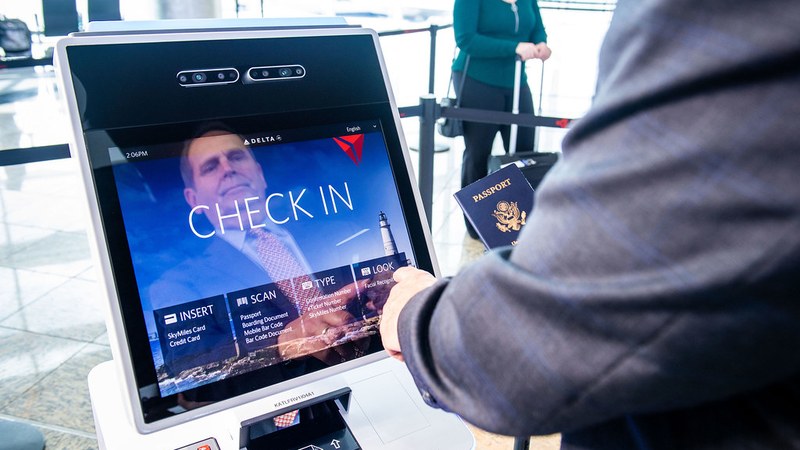
Given current conditions, travelers planning trips through LAX, Newark Liberty, or connecting flights involving major airlines such as Delta and JetBlue, should prepare for possible delays and cancellations. Keeping abreast of real-time airline updates, leveraging early check-in,
and considering travel insurance options can help mitigate the impact of disruptions.
Increased patience and contingency planning will remain essential as airports and airlines continue navigating operational challenges through the summer months.