India is preparing to launch its first domestically developed high-speed bullet trains by 2027 on the Mumbai-Ahmedabad corridor. The project targets commercial services starting in August 2027, with civil construction on the 97-km Surat-Vapi section expected to finish in 2026, according to The Times Of India. Trials for the indigenous trains are planned by mid-2027 to validate operational readiness.
Indigenous Trainsets and Manufacturing
The Integral Coach Factory (ICF) in Chennai awarded BEML Limited a contract valued at Rs 866.87 crore to design and produce two prototype trainsets for the corridor. These two trainsets, each comprising eight coaches, are coded B-28 and will be manufactured
at BEML’s Aditya High-Speed Rail Complex in Bengaluru.
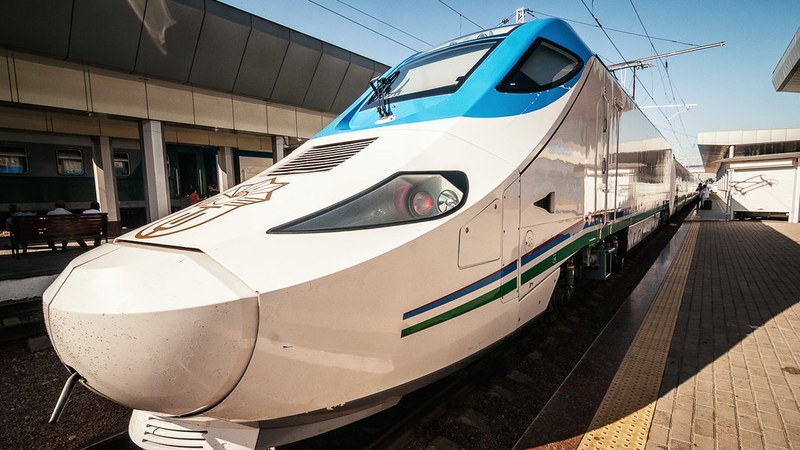
The initial trainsets are engineered for a design speed of 280 kmph with capabilities exceeding 250 kmph in operation, marking two phases of development with later models targeting speeds up to 350 kmph. The trainsets will feature fully air-conditioned coaches equipped with reclining and rotatable seats, advanced infotainment systems, and dedicated facilities for differently-abled passengers. Indian climate considerations have driven design adaptations to ensure reliable performance under hot and dusty conditions.
Signalling System and Supplier Changes
India and Japan jointly agreed to deploy a globally interoperable open-source signalling system for the Mumbai-Ahmedabad corridor after Japanese vendors did
not submit proposals in two years of negotiations. The undecided signalling supply followed Japan’s phasing out of the E5 series bullet trains, with the newer E10 series still under development and expected to enter service in Japan by 2032 and India by 2034.
Officials indicated the decision for open-source signalling was reached through techno-commercial evaluation in collaboration between the two countries’ experts. Japanese suppliers declined to provide offers for signalling systems during contract discussions, prompting India to pursue open-source alternatives to meet the 2027 operational timeline.
Official Oversight and Financial Support
A senior unnamed official involved in the project said, “This is a flagship project
for India and Japan. Both countries are working on a common goal of commercial operations in 2027.” Japanese experts from the Ministry of Land, Infrastructure, Transport and Tourism have overseen design approvals, construction quality control, and operational readiness since construction started in 2021.
The project is financed through an Official Development Assistance loan from the Japan International Cooperation Agency (JICA) on commercial terms requiring procurement from Japanese-approved suppliers. Despite political criticisms by former Japanese law minister Hideki Makihara, Indian authorities confirmed smooth continued coordination between the partners.
Passenger Experience and Environmental Adaptation
The new trainsets will provide fully air-conditioned travel with world-class passenger amenities including
advanced infotainment and ergonomic seating. The trains are engineered specifically for India’s environmental challenges, such as heat and dust, maximizing operational reliability and passenger comfort.
The interoperable open-source signalling system is designed to enhance safety and efficiency for high-speed operations on the Mumbai-Ahmedabad corridor, making it a core element of India’s inaugural high-speed rail service.