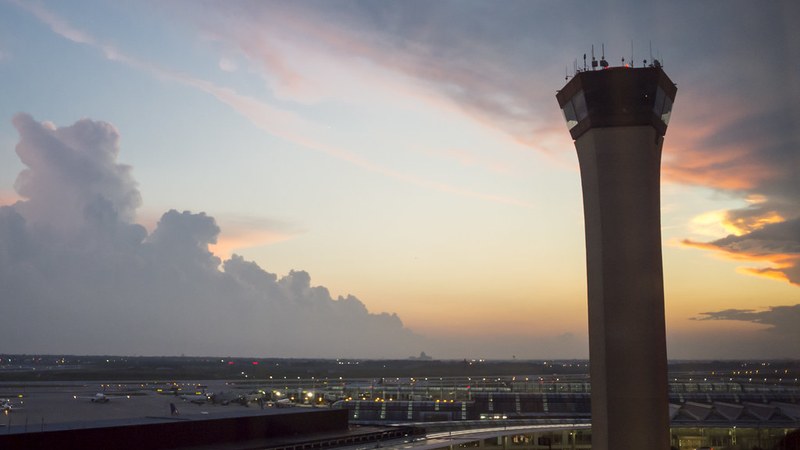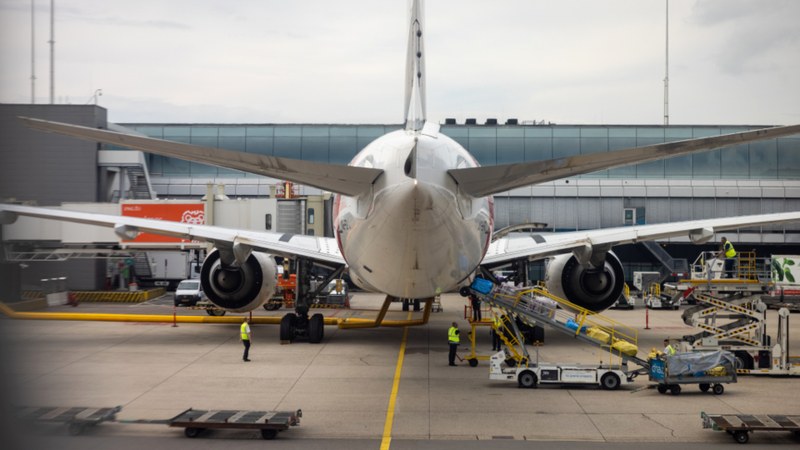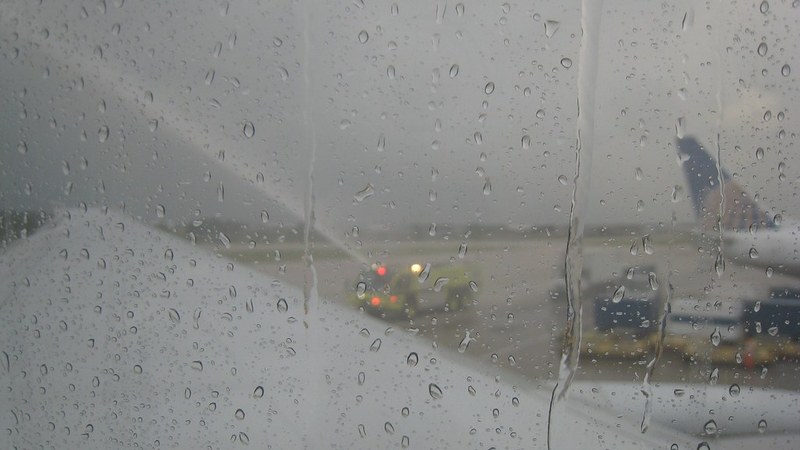
Severe thunderstorms prompted ground stops at Houston’s two main airports on July 13, 2026, disrupting air traffic throughout the day. George Bush Intercontinental Airport enforced a ground stop shortly after 11:20 a.m. lasting until 12:45 p.m., while William P. Hobby Airport stopped departures just before 11:30 a.m., with the halt scheduled until 1 p.m.
During the ground stops, departures at George Bush Intercontinental averaged delays of 45 minutes, with the Federal Aviation Administration (FAA) cautioning that the stops had a 30 to 60 percent chance of extension. William P. Hobby Airport saw delays rise sharply from an average of 12
minutes to almost 49 minutes.
Flight Delay Statistics Across Texas
FAA’s National Airspace System Status identified Houston’s ground stops as the only weather-related ones nationwide at the time. Flight Aware’s Misery Map ranked Dallas-Fort Worth International Airport highest nationwide with 132 delayed or canceled flights on the same day. George Bush Intercontinental ranked third with 54 disrupted flights, and William P. Hobby appeared in the top 10 with 24 delays or cancellations.
Prior to the ground stop, George Bush Intercontinental recorded no average departure delays; afterward, delays increased to approximately 35 minutes. Flight disruptions similarly escalated at William P. Hobby, compounding travel interruptions in the
region.
Severe Weather Conditions Drive Air Traffic Control Measures
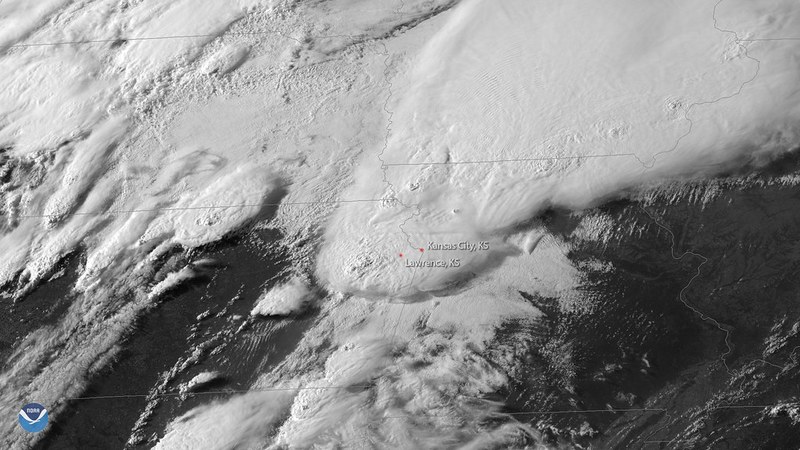
The National Weather Service in Houston reported Southeast Texas was enveloped by a “deep tropical airmass” causing the severe thunderstorms responsible for the flight groundings. These storm conditions led to the FAA’s implementation of the ground stops at Houston’s airports to ensure safety.
Forecasts indicated a decrease in rainfall during the evening hours, suggesting potential relief from the current storm-related flight disruptions. However, delays were expected to persist as long as severe weather conditions continued to affect Southeast Texas airspace.