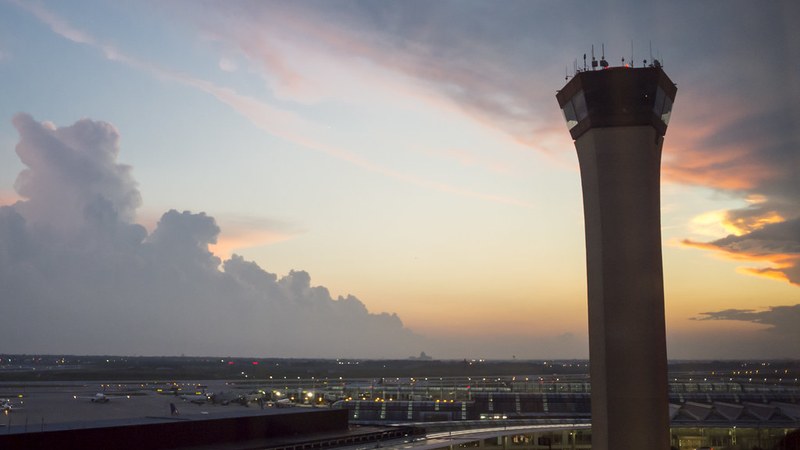
Ground stops were implemented at two major Houston airports on July 13, 2026, due to severe thunderstorms. George Bush Intercontinental Airport (IAH) initiated a ground stop shortly after 11:20 a.m., scheduled to last until 12:45 p.m. William P. Hobby Airport (HOU) followed with a ground stop starting just before 11:30 a.m., expected to continue until 1 p.m.
According to the Federal Aviation Administration (FAA), the ground stops carry a 30 to 60 percent probability of extension. During the pause, departure delays at George Bush Intercontinental averaged 45 minutes, while delays at William P. Hobby surged from 12 minutes before the
stop to 49 minutes. After the ground stop started, delay times at Intercontinental averaged around 35 minutes, whereas flight departures had no prior delays.
Flight Disruption Rankings Across the Region
Flight Aware’s Misery Map identified Dallas-Fort Worth International Airport as the top U.S. airport for flight delays and cancellations on the same day, affecting 132 flights. Houston’s George Bush Intercontinental Airport ranked third with 54 disrupted flights, while William P. Hobby Airport was tenth with 24 delayed or canceled flights.
Weather Conditions Behind the Disruptions
The National Weather Service Houston reported that Southeast Texas was engulfed in a “deep tropical airmass” on July 13, 2026. This meteorological setup contributed to the
thunderstorms that prompted the FAA to order ground stops at both Houston airports. A decrease in rainfall was anticipated later that day, with a lull expected to develop during the evening hours.
Operational Impact on Departures
The FAA confirmed that the ground stops prevented departing flights from leaving during their enforcement, directly impacting traveler schedules. Delays increased significantly, especially at William P. Hobby Airport, where average departure times climbed nearly fourfold. George Bush Intercontinental Airport also experienced a notable rise in delays coinciding with the storm-related ground stop periods.