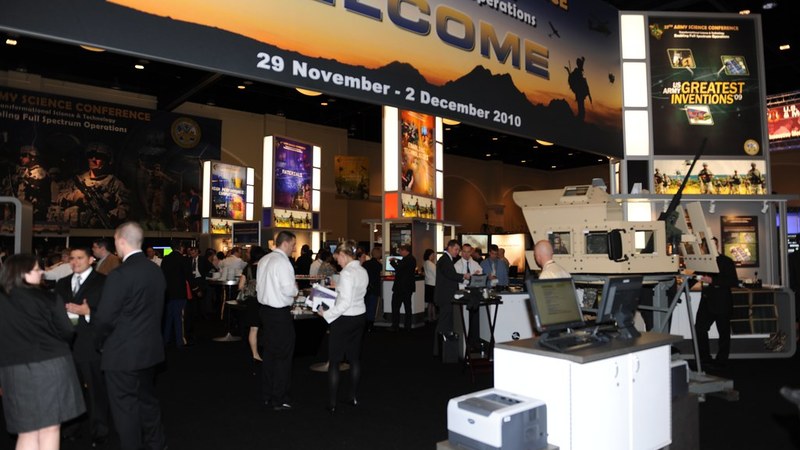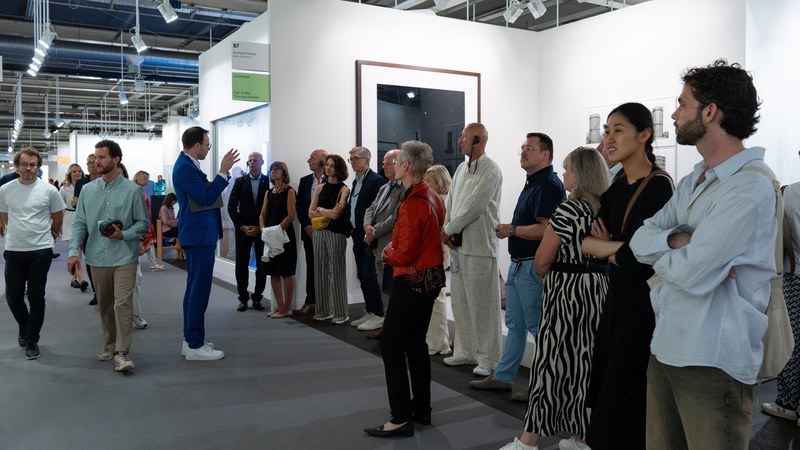
HORECFEX Vietnam 2026 took place on August 20–21, 2026, at the Ariyana International Convention Centre in Da Nang, Vietnam. The forum spotlighted digital transformation efforts in hospitality and tourism sectors, gathering industry stakeholders to discuss emerging technologies and innovation trends.
Participation and Focus Areas at HORECFEX Vietnam 2026
The event featured nearly 100 exhibitors, more than 40 discussion sessions, and 55 speakers representing 20 countries. Topics included artificial intelligence (AI) applications, hotel management, revenue optimisation, sales and marketing, sustainability, food and beverage operations, and workforce development.
Technology demonstrations highlighted AI integration, automation, data management, smart room deployment, energy management, and sustainable operating solutions for hotels, resorts, restaurants, and
tourism businesses. B2B networking connected investors, operators, suppliers, and international partners.
Vietnam’s National Digital Transformation Strategy
The forum aligned with the Vietnam government’s accelerated implementation of Politburo Resolution No. 57 on science, technology, innovation, and national digital transformation. AI and data-driven approaches underpin governance improvements and service enhancements across sectors, including tourism and hospitality.
Vietnam aims to develop digital governance, strategic digital technologies, and national digital sovereignty protection. Shared digital infrastructure, AI infrastructure, and high-performance connectivity investments support sustainable sector growth.
Official Perspectives and Organiser Roles
HORECFEX Vietnam 2026 was organised by the Vietnam Hotel Association. Chairman Nguyen Duc Quynh said, “Technology and AI can help businesses improve governance and
service quality, but stressed that people remain central to delivering memorable guest experiences.”
Da Nang local officials committed to supporting SMEs’ digital transformation and AI adoption, aiming to make the city an innovation and AI hub in central Vietnam.
Gia Lai local government highlighted that stronger networks among government, research, universities, businesses, and scientific organisations underpin quantum technology development, contributing to regional sustainable development.
Assoc. Prof. Ta Duc Tung from the Vietnam School on Astrophysics said the biggest gift overseas researchers can give is linking knowledge, people, and entire research ecosystems beyond technology transfer.
Dr. Vo Duc Thang of the
Vietnam Innovative and Intellectual Network in Taiwan explained Vietnam’s key lesson from Taiwan is building a semiconductor ecosystem from the ground up.
The Vietnam Agency for Radiation and Nuclear Safety noted that human resources will decisively affect the nuclear power programme’s schedule.
Ho Chi Minh City introduced incentives for attracting global talent, including housing, transport, immigration, research facilities, and improved working conditions.
Industry Context and Broader Innovation Initiatives
Vietnam leverages its young engineering workforce and strategic location to attract technology-related foreign direct investment. Hanoi targets the digital economy to contribute 40% of its Gross Regional Domestic Product by 2030, supported by the Hoa Lac Hi-Tech Park
as an R&D hub.
Since 2013, the Vietnam School on Astrophysics has been organised jointly by the Rencontres du Vietnam Association and the International Centre for Interdisciplinary Science and Education (ICISE), training scientists in astronomy and astrophysics and supporting Vietnam’s science and technology ecosystem.