Hilton Greater China announced on July 22, 2026, the launch of Tempo by Hilton, its lifestyle hotel brand, in the Chinese market. This introduction completes Hilton’s portfolio of five lifestyle brands in China, including Canopy, Curio Collection, Signia, Motto, and Tempo. The company plans to double its lifestyle hotel presence in China within the next few years.
Tempo by Hilton Brand Concept and Target Market
Tempo by Hilton, launched globally in January 2020, targets modern professionals with six-figure annual incomes. Positioned as an upscale yet accessible lifestyle hotel brand, Tempo’s North American room rates range from $150 to $250 per night. It aims to bridge the gap between
Hilton’s Hampton by Hilton and Hilton Garden Inn brands by catering to young, career-driven customers seeking comfort and practical design without excessive luxury.
The brand employs a lightweight lifestyle approach, omitting full-service dining, grand lobbies, and spas. Instead, Tempo reallocates investment into customer-centric features like spacious cloakrooms, ergonomic furniture, illuminated mirrors, and premium bedding to enhance comfort and usability.
Lobby Design and Guest Experience
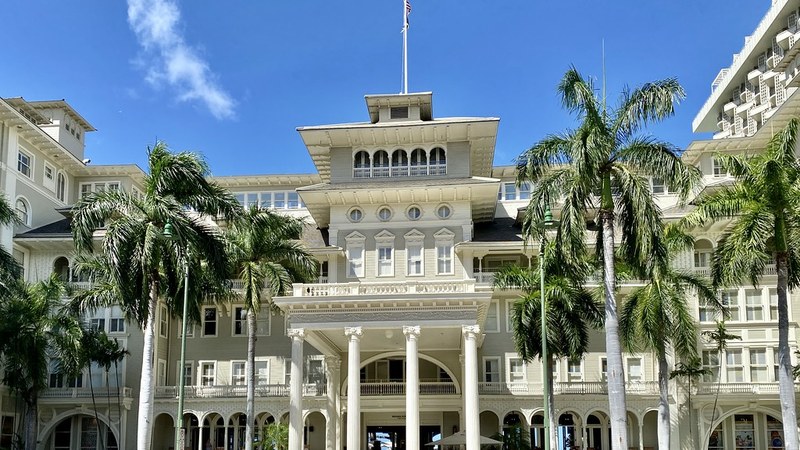
Tempo’s lobby design replaces conventional hotel front desks with a low, communal-style table, transforming the lobby into an all-day social space. The Moonsong CAFÉ + BAR operates as a coffee shop by day and converts to a bar serving craft cocktails
and specialty beers at night. This design turns public areas into revenue-generating spaces supporting social and co-working needs of young professionals, addressing typical inefficiencies in hotel common areas.
Standardization and Competitive Positioning
Tempo’s design, co-developed with Nelson Worldwide over 14 months, is a standardized prototype aimed at scalable replication. This approach addresses the traditional hotel industry challenges of boutique lifestyle hotels being difficult to replicate and offering slow returns. Hilton views Tempo as a key strategic brand to capture China’s mid-to-upscale lifestyle segment, where the existing brand portfolio lacked a strong presence.
Internal and External Competition
Within Hilton’s portfolio, Tempo overlaps with Hilton Garden Inn’s target consumer base,
offering a premium alternative at slightly higher costs. Launched in June 2026, DoubleTree’s “Dacheng version” emphasizes cost reduction, leading to competition between Tempo and DoubleTree for investor attention in the mid-scale segment.
Externally, Tempo competes with Marriott’s AC Hotels, which holds a first-mover advantage in China’s select-service lifestyle segment. Both brands share similar models, such as eliminating full-service kitchens and using “coffee by day, bar by night” concepts. Local Chinese chains like Atour, Manxin, and Orange Crystal also present significant competition through brand recognition, cost control, and rapid product iteration.
Comparison with Hampton by Hilton and Market Challenges
Tempo aims to fill a portfolio gap between Hampton by
Hilton’s mid-tier success and Hilton’s upscale brands. Hampton by Hilton entered China in 2014 and grew rapidly due to early market entry, strong partnership with Jin Jiang International, and an asset-light franchising model offering stable returns. Tempo faces a more crowded market with established competitors and must demonstrate scalable profitability to replicate such success.
Unlike Hampton, Tempo confronts extensive internal competition within Hilton and the need to attract both customers and franchisees amid intense rivalry from international and domestic hotel brands targeting China’s young middle class.