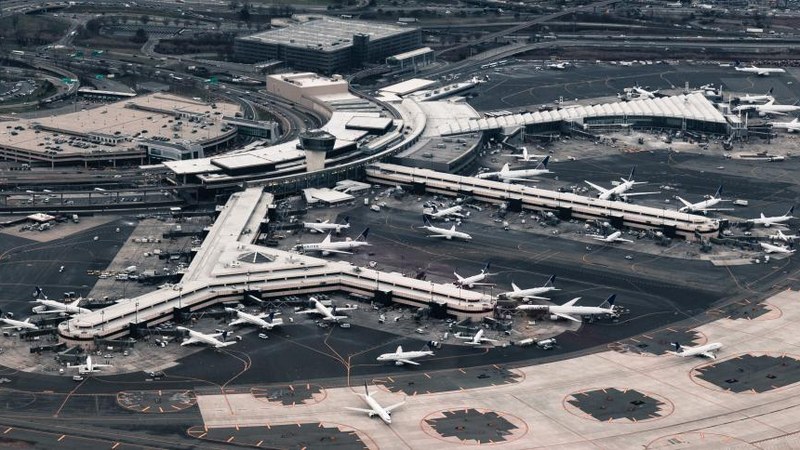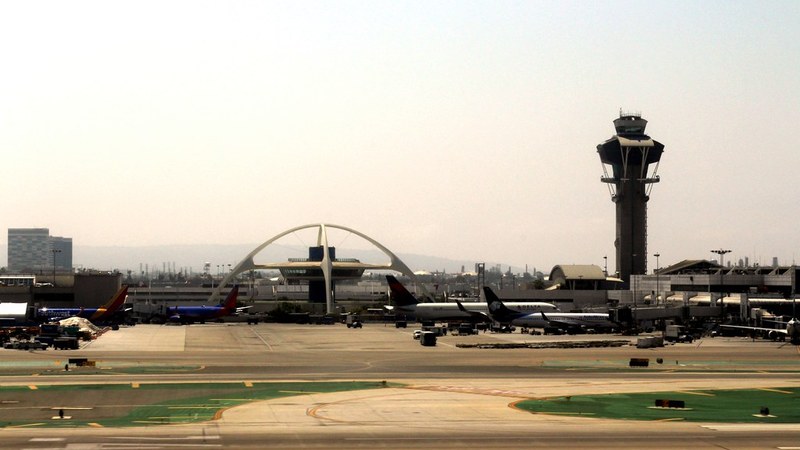
A major U.S. airport has experienced Federal Aviation Administration (FAA) ground stops and departure delays for three consecutive days as of July 25, 2026, resulting in the greatest concentration of flight cancellations and extended delays in the United States during this period, according to The Traveler.
Repeated FAA ground stops and ground delay programs have repeatedly halted or slowed departures at this busy hub, creating significant congestion at gates and taxiways. These disruptions have made the airport the leading source of cancellations nationwide, with cascading effects impacting smaller regional airports connected to the hub.
Immediate causes for the ongoing operational
disruption include convective weather in arrival corridors, notably thunderstorms that have closed approach pathways and forced rerouted longer flight paths. The high volume of air traffic combined with airspace management constraints and staffing shortages in air traffic control facilities have further limited the airport’s capacity to safely manage arrivals and departures.
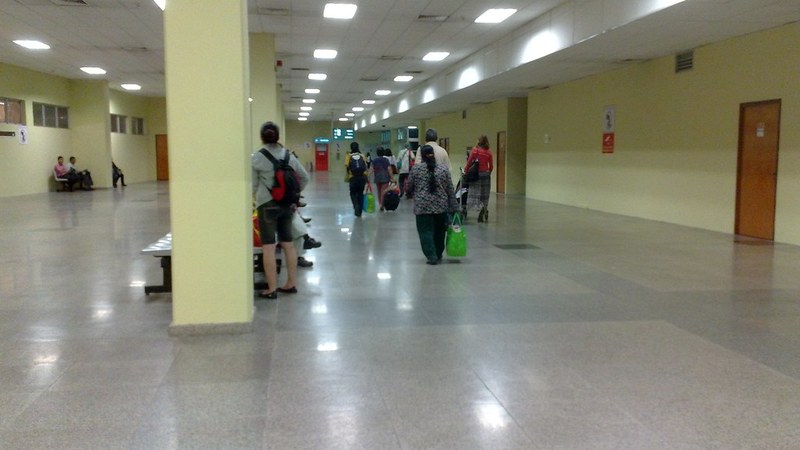
Passengers at the affected hub face high cancellation rates and lengthy delays, with crowded gate areas and long lines at customer service counters. Rebooking is complicated by peak-season load factors on most flights, limiting available seats on alternate routes. U.S. regulations require refunds only for cancellations or significant flight
changes when travelers decide not to fly; airlines provide meal vouchers, hotels, or rebooking options at their discretion.
The current multi-day disruption underscores vulnerabilities in the U.S. air travel system during peak summer demand. While cancellation rates have generally improved compared with prior years, concentrated events at critical hubs continue to cause widespread system breakdowns. Policy discussions emphasize increasing certified air traffic controllers, modernizing airspace management, and aligning airline schedules with realistic airport capacity to mitigate recurrent bottlenecks.