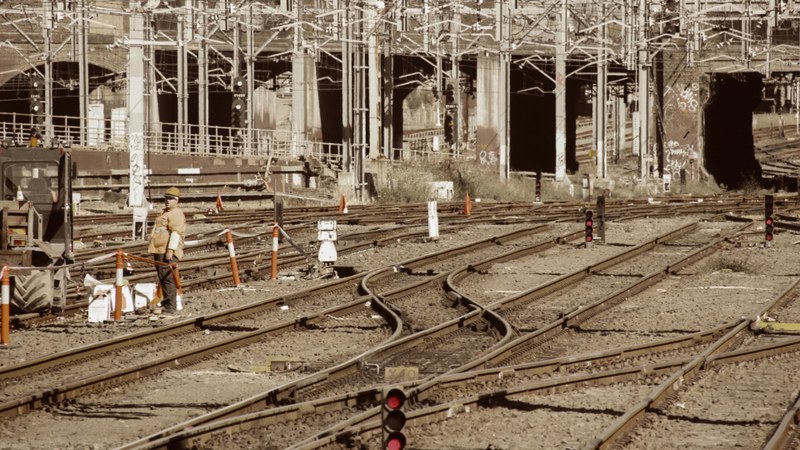
Extreme heatwave and prolonged drought conditions in England have caused soil moisture deficits on railway embankments, leading to soil shrinkage and track instability. This has disrupted track geometry by causing sleepers to drop or shift, which requires rail operators to impose speed restrictions to ensure safety across affected routes.
South Western Railway Reduces Services on West of England Line
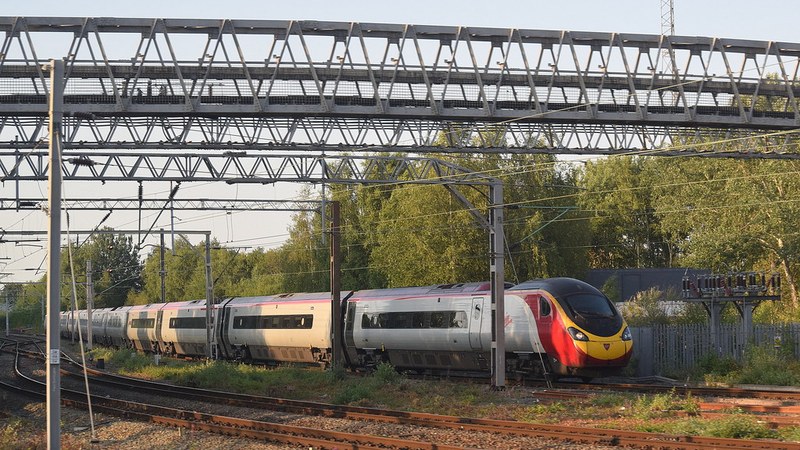
Starting Monday, 10 August 2026, South Western Railway (SWR) will implement timetable changes on the West of England line between Yeovil and Exeter St Davids. Services between these stations will be cut to one train every two hours. Passengers traveling between London Waterloo and Exeter are advised to anticipate up to
27 minutes longer journey times due to the enforced reduced speeds.
Eastern England Operators Also Implement Speed Restrictions
Rail operators in eastern England including Great Northern, Greater Anglia, c2c, and the Elizabeth line will begin applying speed restrictions and timetable changes from 3 August 2026. Affected routes include Great Northern services to and from King’s Lynn in Norfolk, evening services in Essex operated by Greater Anglia with some replaced by buses, late c2c trains to Shoeburyness, and a limited 11pm to midnight service on the eastern end of the Elizabeth line between Gidea Park and Shenfield on selected dates.
Network Rail Engineering Responses to Track Instability
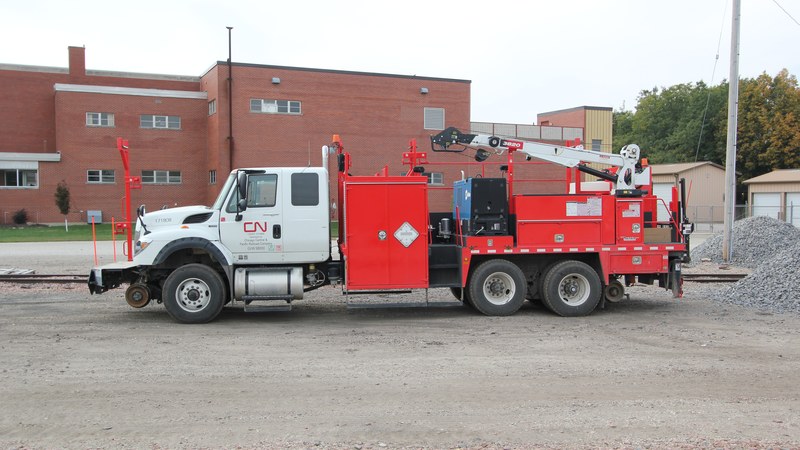
Network Rail engineers are addressing the soil shrinkage
damage by using tamping machines that lift tracks and push ballast underneath to stabilize and level the rail lines. Last year, tampers were used to treat approximately 62 miles of track on Anglia routes. In 2026, an estimated 49,000 tonnes of ballast will be laid to mitigate the effects of dried-out soil and maintain track integrity.
Official Statements and Traveler Implications
Lawrence Bowman, managing director of South Western Railway and Network Rail Wessex, stated that this is the second consecutive year that prolonged hot, dry weather has affected the network. He added that investments and extensive work since last summer have reduced journey time impacts
by about 30 minutes compared to the previous year while maintaining safety. Network Rail has confirmed that late-night speed restrictions and altered timetables will remain until “the ground conditions have recovered.” Travelers on affected routes should expect longer journey times and check for updated timetables due to service frequency reductions and rail replacement buses.