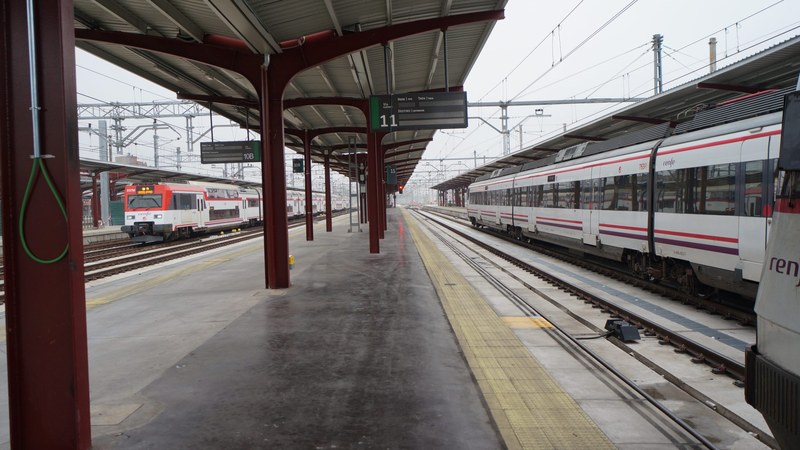
Spanish train drivers represented by the union SEMAF have announced a nationwide strike on October 29, 2026, that will last 24 hours from 00:01 to 23:59 local time. The strike involves all companies within the Renfe Group, affecting high-speed AVE and Avlo trains, long-distance routes, regional services, and Cercanías commuter lines.
Rail Services Affected Across Spain
The October 29 strike will impact rail services operated by Renfe across key routes in Spain, including major cities like Madrid, Barcelona, Valencia, Alicante, Seville, and Málaga. The disruption will extend to the Rodalies network in Catalonia and all other Renfe Group trains. Ouigo services are excluded from this
particular strike but face separate industrial actions on different dates.
Background and Cause of Strike
SEMAF called the strike following failed negotiations over railway safety improvements and staffing commitments agreed earlier in 2026. The union charges that safety measures, including operational staffing levels, maintenance, and emergency procedures for severe weather, have not been fully implemented. SEMAF also demands enhanced psychological support for train drivers and improvements in rolling stock reliability.
Renfe’s Response to Union Claims
Renfe disputes SEMAF’s allegations, stating in a statement dated October 16, 2026, that it has completed 17 of 24 safety-related measures outlined in the February 9, 2026 railway agreement. The company highlights recruitment of up
to 1,200 staff and maintenance enhancements as evidence of progress. Renfe attributes unmet demands partly to regulatory or third-party delays outside its direct control.
Consequences for Passengers
Train travelers across Spain should expect service reductions or cancellations across Renfe’s AVE, Avlo, regional, long-distance, and commuter trains on October 29, pending minimum service levels set by authorities. Passengers holding tickets for affected trains on that day will be eligible to request ticket changes or refunds without additional charges. Renfe urges travelers not to cancel tickets prematurely, especially non-refundable ones, before official announcements confirm cancellations.
Separate Ouigo Strike Dates
Ouigo train drivers face separate strike actions on October 30,
November 2, 6, 9, and December 4 and 8, 2026. These stoppages coincide with peak travel periods such as the All Saints’ holiday. Ouigo operates high-speed services connecting Madrid, Barcelona, Valencia, Alicante, Seville, and Málaga. The union alleges Ouigo has failed to comply with parts of the collective labor agreement specific to its drivers.
Minimum Services and Operational Impact
Spanish authorities may impose minimum service requirements during strike days, requiring some trains to operate despite industrial action. This could allow partial service to continue on October 29 and subsequent Ouigo strike dates. On October 21, 2026, Renfe cancelled planned extra late trains following the October
28 Copa del Rey match, citing operational constraints linked to the strike.
Advice to Travelers
Passengers should monitor updates from Renfe and Ouigo for confirmed train cancellations and timetable changes in the days leading to the strikes. Travelers using other rail operators, such as Iryo, should note that their services are not directly included in these strike actions but could experience indirect disruption. Passengers are advised to retain flexibility for journeys around the strike dates and holiday periods impacted.
Regional Routes Covered by Strike
The strike will affect rail lines servicing major urban centers and regions throughout Spain, including Madrid, Barcelona, Valencia, Alicante, Seville, Málaga, and Catalonia’s Rodalies
commuter network. Ouigo’s separate strikes will impact its high-speed routes connecting these same cities, further complicating travel options during a traditionally busy autumn travel period.