Rotterdam Port Responds with Heightened Health Measures
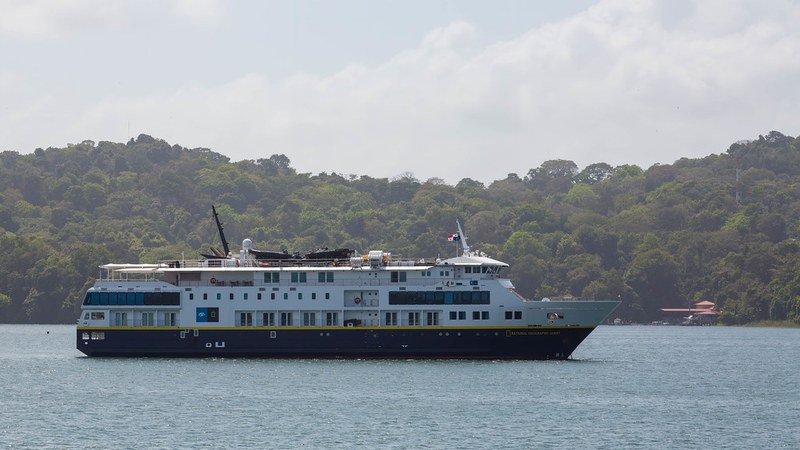
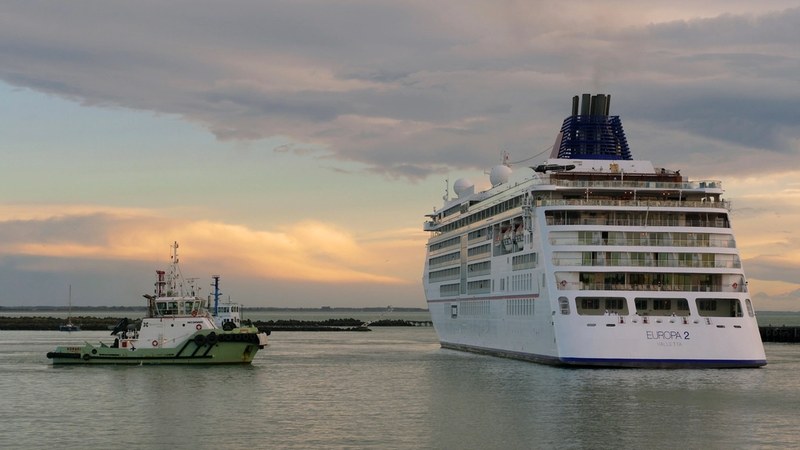
In response to a recent hantavirus outbreak aboard an international cruise ship, Rotterdam’s port authorities have implemented stringent health and disinfection protocols. This move comes after the affected vessel docked at the Dutch harbor for comprehensive sanitation efforts.
The port’s decision to intensify inspections and sanitation marks a proactive approach to contain any potential health risks associated with the outbreak. While details about the scale of exposure on the ship have not been disclosed, the disinfection procedures are thorough, reflecting a commitment to maintaining port safety standards.
Implications for U.S. Travelers on International Cruises
U.S. travelers contemplating or already booked on international cruises should anticipate evolving health
protocols, especially when European ports like Rotterdam are part of the itinerary. The enhanced regulatory environment may introduce additional health screenings and sanitation pauses during port calls.
This development underscores the importance of flexible travel planning for American cruisers in the current global health landscape. Possible itinerary adjustments or embarkation delays could arise, and travelers are advised to stay attuned to communications from cruise operators as well as port authorities.
Global Cruise Industry Adjusts to Health Challenges
The hantavirus-related incident at Rotterdam port shines a spotlight on the ever-evolving nature of global cruise health protocols. Operators and ports worldwide continue adapting their procedures to mitigate risks from
infectious diseases, ensuring safety for passengers and crew.
These measures include routine vessel sanitization, health screenings for travelers, and close cooperation with public health agencies. The Rotterdam case illustrates how swift responses and coordinated efforts between port authorities and cruise lines are central to minimizing health threats.
Practical Safety Considerations for Cruise Passengers
For U.S. travelers planning cruises that may call at European ports, particularly Rotterdam, vigilance remains key. Passengers should monitor official travel advisories and be prepared for enhanced health inspections upon boarding or during port visits.
Maintaining personal hygiene, adhering to any on-ship health guidelines, and reviewing flexible cancellation or rescheduling policies with cruise
lines will help travelers navigate these uncertainties. Staying informed through reliable sources can reduce disruptions and support safer travel experiences.
As cruise operators and port authorities continue refining health protocols in response to incidents like the hantavirus outbreak, travelers worldwide remain part of this dynamic safety environment. Understanding these developments helps maintain readiness and confidence while exploring international cruise destinations.