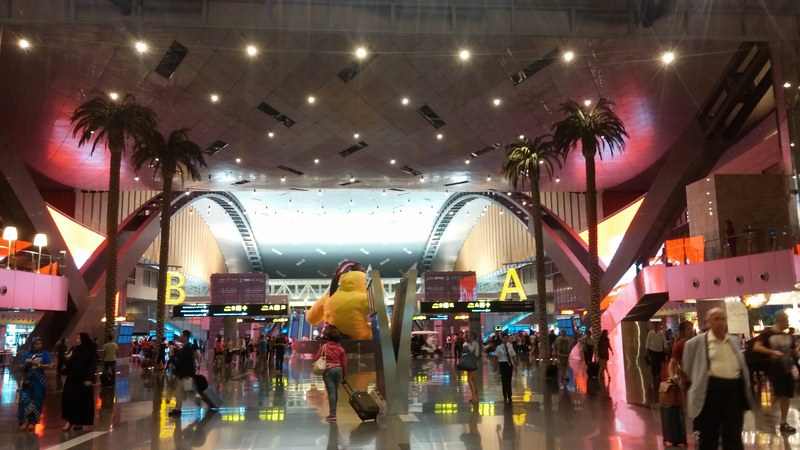
Hamad International Airport and Qatar Airways will implement a biometric fast pass system in 2026, covering more than 700 touchpoints. The system aims to expedite passenger movement through various stages of the airport using biometric authentication.
IATA Survey Shows Increased Biometric Use and Passenger Satisfaction
The International Air Transport Association (IATA) published its 2026 Global Passenger Survey (GPS) on October 28, gathering over 10,000 responses from participants in more than 200 countries. Survey results show a rise in biometric technology experience at airports, increasing from 50% in 2025 to 58% in 2026. Among users, 87% expressed satisfaction with their biometric airport experience. Additionally, 78% of passengers demonstrated willingness to
share biometric data to bypass presenting passports and boarding passes at security checkpoints.
The report also highlights passenger interest in digital travel credentials with 84% of respondents open to using digital passports for online check-in rather than physical documents. Furthermore, 82% said they would share digital travel identification with airlines during booking to receive tailored services such as visa requirement notifications.
Biometric Methods and Traveler Opt-Out Policies in the United States
Common biometric methods include facial scanning, iris recognition, and fingerprinting. The United States Transportation Security Administration (TSA) confirms that travelers may decline participation in facial recognition without facing screening delays or order changes. U.S. Customs and Border Protection (CBP)
permits American citizens to request alternative processing if they refuse facial photo capture, typically involving manual document verification by officers.
Nick Careen, IATA’s Senior Vice President for Operations, Safety and Security, stated, “More passengers are experiencing biometrics during their travels. They like it and want more.” He emphasized that biometric adoption offers smoother passenger journeys and enhances efficiency and security for governments and airlines.
Passenger Impact at Hamad International Airport and U.S. Airports
Travelers using Hamad International Airport and Qatar Airways in 2026 will benefit from faster processing through check-in, security, boarding, and other airport points due to the biometric fast pass covering over 700 access locations. Passengers who
opt out of biometric facial recognition at U.S. airports will receive alternative screening without additional wait times or queue reordering, as assured by the TSA.
U.S. citizens can request alternative entry processing through CBP if they do not consent to facial photo capture, ensuring options remain for travelers concerned about biometrics.
IATA’s Role and Need for Digital Passport Frameworks
IATA, representing over 370 member airlines including American Airlines, Delta Air Lines, Ryanair, United Airlines, and Lufthansa, supports growing biometric use at airports worldwide. The organization calls for governments to standardize the issuance and acceptance of secure digital passports or Digital Travel Credentials to normalize biometric procedures for international
travel.
The spread of biometric processing aligns with passenger preferences, promoting efficiency and security while integrating emerging trends such as digital travel identification.