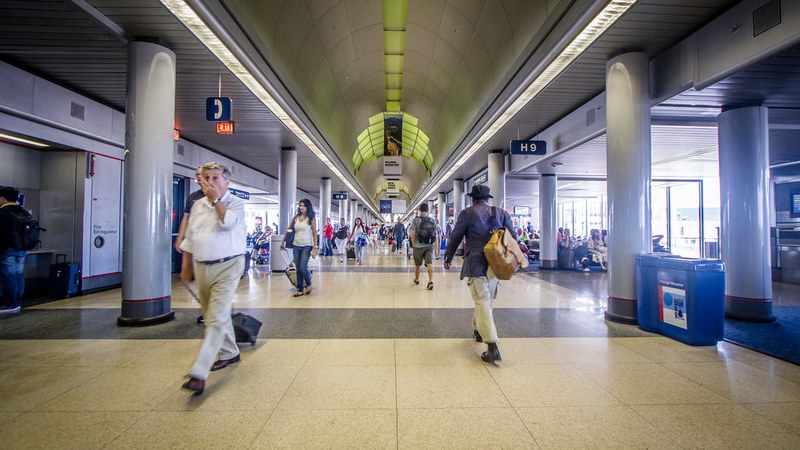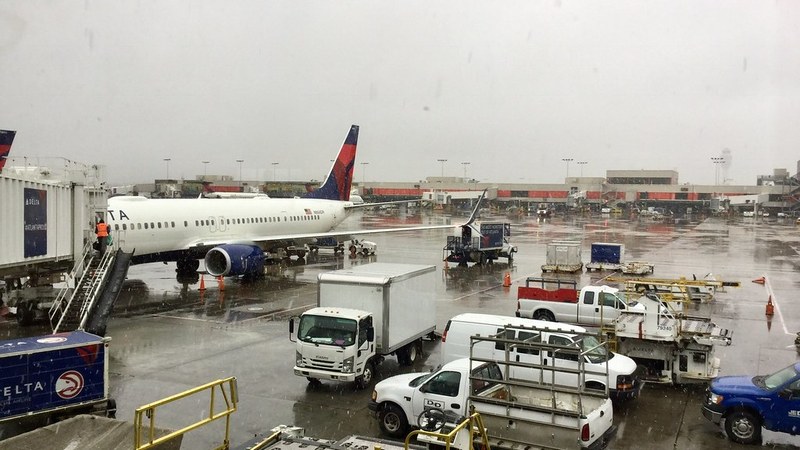
Germany and Switzerland issued a travel advisory on July 14, 2026, alerting passengers to expect longer queues, flight delays, and increased biometric checks at major airports for the busy summer 2026 travel season.
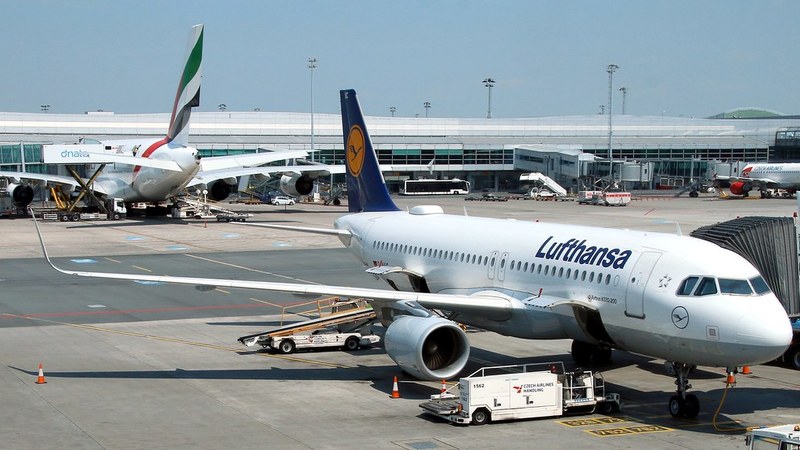
Delays have affected hubs including Frankfurt Airport, Munich Airport, and Zurich Airport amid high passenger volumes and operational pressure. Airlines like Lufthansa and SWISS utilize official mobile applications to provide real-time updates on gate changes, boarding times, connection information, and disruptions throughout passenger journeys.
<
Automated and Manual Border Controls at Major Airports
>Germany and Switzerland operate both modern automated border management systems and traditional passport controls to manage passenger flows. Border authorities deploy biometric facial
recognition technology to expedite eligible travelers’ processing. Airport staff dynamically redirect travelers between automated biometric lanes and staffed immigration counters based on passenger volume and operational demand.
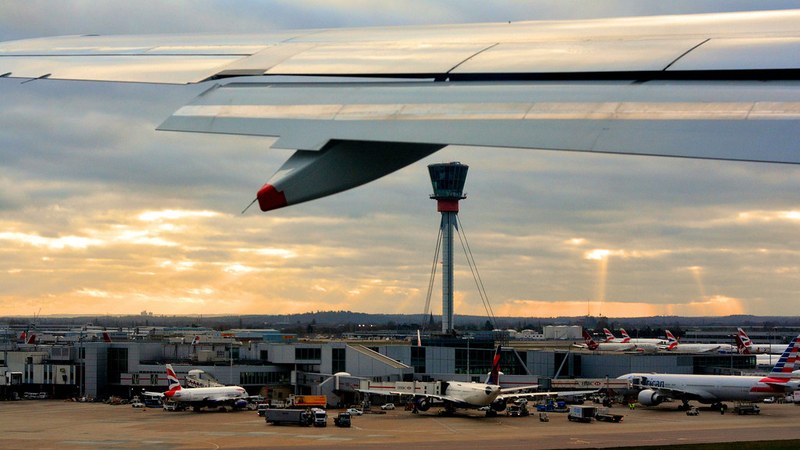
Operational adjustments also include aircraft parking position changes, boarding gate reassignments, and departure slot modifications to maximize safety and network efficiency during peak travel periods.
<
Traveler Guidance for Increased Processing Times
>Passengers are advised to allow extra time for check-in, security screening, and immigration formalities amid longer waits. Non-European Union travelers may experience extended immigration processing. Compliance with passport validity, visa requirements, and proper documentation remains essential. Booking flights through a single airline or alliance reduces risks associated with
missed connections due to operational adjustments.
<
Causes Behind Delays and Congestion
>Flight delays and congested airport operations stem from factors including prolonged flights circumventing conflict-affected airspace, severe thunderstorms, and air traffic control constraints over Central Europe. Even minor delays at major hubs propagate through the European aviation network, disrupting connecting flights and aircraft rotations.
<
Industry Response to Peak Summer 2026 Demand
>Germany’s and Switzerland’s airports, airlines, and border authorities adapt through real-time communication and biometric technologies to handle increased traffic. Technologies like facial recognition streamline border processing while operational flexibility manages fluctuating passenger volumes. Tourism sectors in Berlin, Munich, Hamburg, Zurich, Geneva, and Lucerne remain fully operational despite airport congestion.