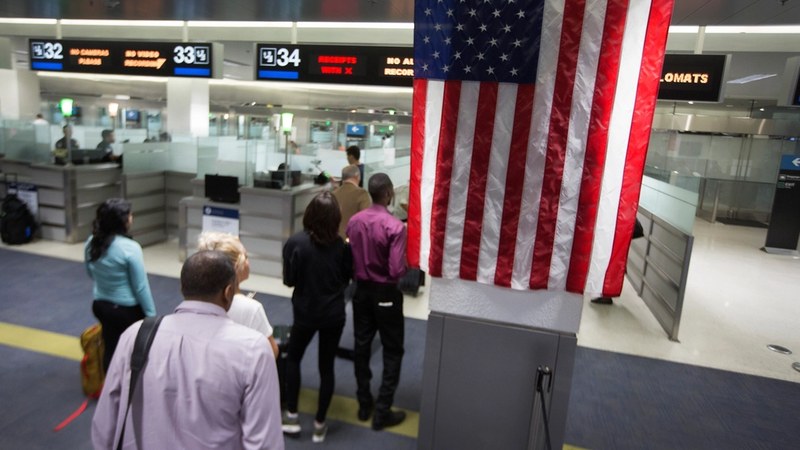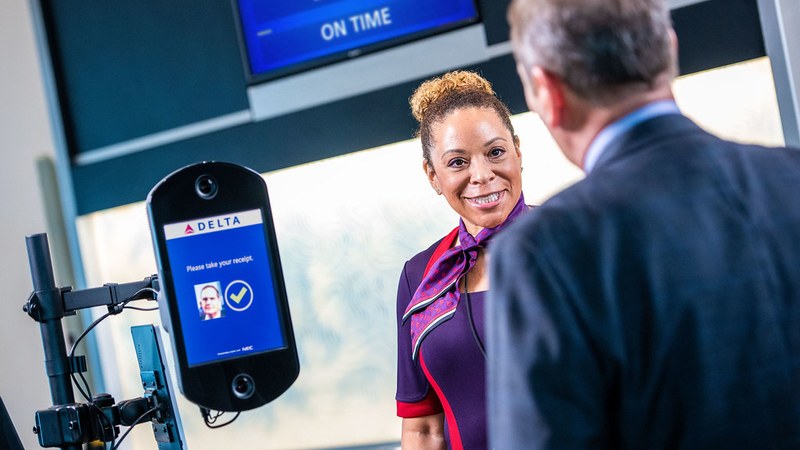
Germany and Switzerland have issued a travel advisory for summer 2026 due to increased airport queues, flight delays, and expanded biometric border controls at major hubs including Frankfurt Airport, Munich Airport, and Zurich Airport. Passengers are urged to prepare for longer processing times during departures and transfers, especially at busy check-in, security, and immigration checkpoints.
Operational Challenges Causing Delays Across Central Europe
The summer 2026 travel season has brought near-capacity airline operations amid strong holiday demand. Severe thunderstorms and rerouted flight paths to avoid conflict-affected airspace, alongside air traffic control restrictions across Central Europe, have congested the region’s airspace. These disruptions at Frankfurt, Munich, and Zurich airports
frequently cascade through the European aviation network, causing flight delays and longer queues across multiple airports.
Use of Biometric and Automated Border Control Systems
Frankfurt, Munich, and Zurich airports operate modern automated border management systems combined with traditional passport control. Passenger flow is managed by shifting travelers between staffed immigration counters and biometric gates that use facial recognition and electronic passport verification. During peak periods, airport staff dynamically adjust lane usage to balance queue lengths, improving processing efficiency while maintaining immigration requirements.
Recommendations for Travelers Using Major Airports
Passengers are advised to download official airline apps from Lufthansa and SWISS to receive real-time updates on boarding gate changes, departure slots, and flight delays. Operational
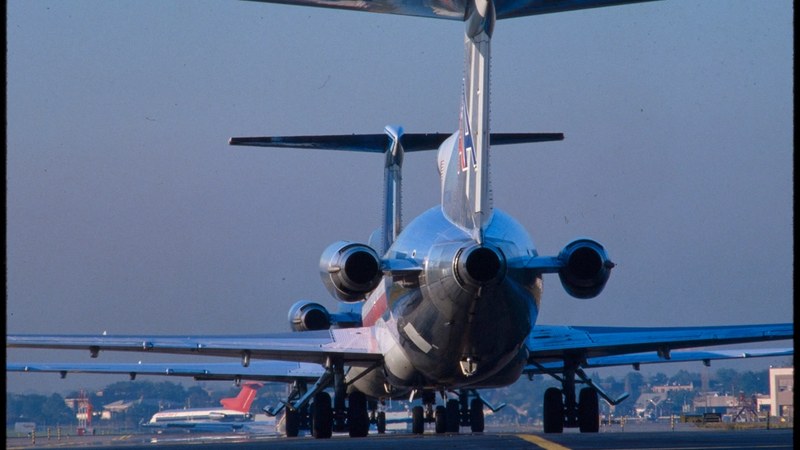
adjustments such as aircraft parking shifts occur frequently to maintain safety and efficiency. Non-EU travelers should anticipate additional time during immigration procedures and follow airport signage and border official instructions carefully for smooth processing.
Implications for Passenger Flow and Booking Strategies
Longer processing times and frequent operational changes necessitate allowing extra time for departures, international transfers, and terminal changes. Booking through a single airline or alliance provides greater protection against missed connections caused by delays. Despite these airport challenges, tourism infrastructure — including rail services, hotels, museums, and cultural venues in cities like Berlin, Munich, Hamburg, Zurich, Geneva, and Lucerne — remains fully operational.