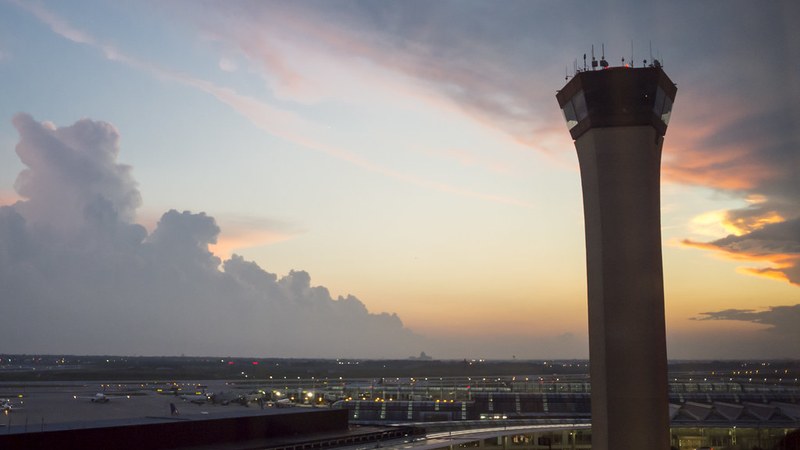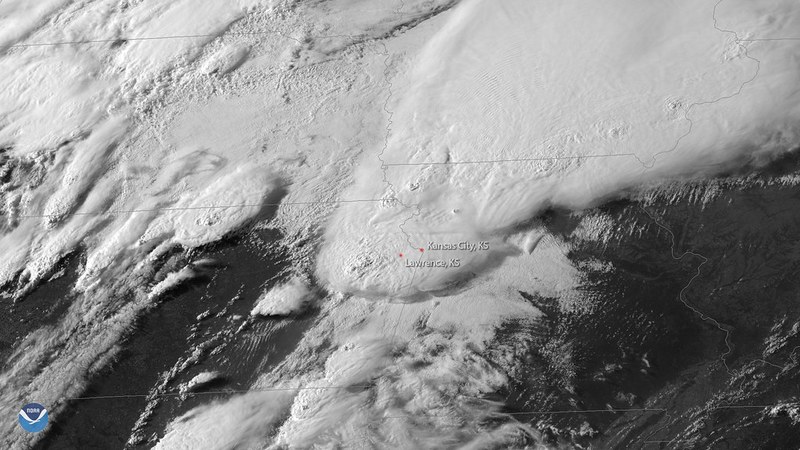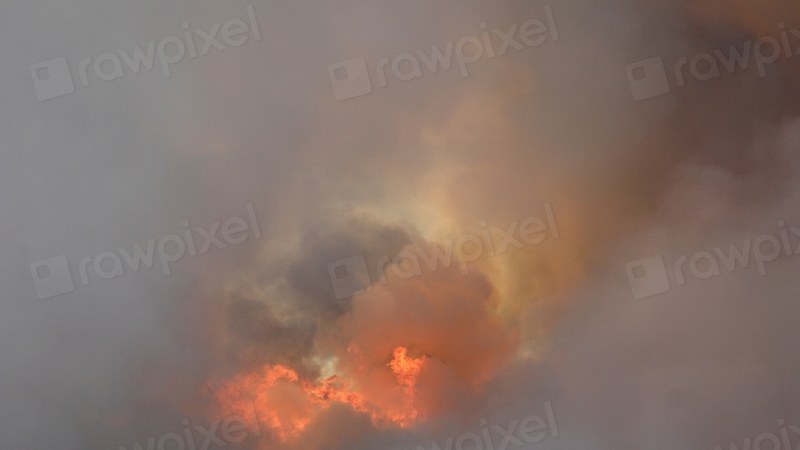
Smoke from hundreds of out-of-control wildfires in Canada disrupted air travel across the Great Lakes and Northeastern United States on July 15, 2026, affecting flights at Toronto Pearson International, Detroit Metropolitan Wayne County, Buffalo Niagara International, and Chicago O’Hare airports. Approximately 100 million Americans were exposed to unhealthy air quality as dense smoke impaired visibility and airport operations.
The Federal Aviation Administration reported more frequent flight delays due to wildfire smoke than from rain or fog. The fine solid PM2.5 particles suspended in the smoke interfere with aircraft navigation and approach systems, forcing air traffic control to increase spacing between
planes, reduce takeoff and landing rates, and limit arrivals based on onboard navigation capabilities.
Flight Disruptions and Operational Challenges
Air traffic controllers slowed operations at major regional hubs including Detroit, Chicago, Buffalo, and Toronto to maintain safe spacing amid reduced visibility caused by smoky conditions. Flights departing and arriving at these airports faced significant delays and cancellations that cascaded downstream to other airports such as Philadelphia. Travelers using the FAA National Airspace System Status tool were advised to verify flight status on the day.
Richard Adams, senior manager of forecast operations at The Weather Company, stated that thick smoke forces controllers to space planes wider
apart and slow departures and arrivals, with additional visibility risks for airports with east-west runways where approach pilots may face near-zero visibility from low sunlight shining through smoke layers.
Toronto Cancels FIFA World Cup Events Amid Health Concerns
Toronto declared an orange, or severe, air quality alert as temperatures reached between 33°C and 36°C with humidex values up to 42°C. With smoke reducing visibility and posing health risks to all outdoor occupants, the City of Toronto cancelled scheduled FIFA World Cup semi-final activities, including the Fan Festival at Fort York and the public broadcast at Nathan Phillips Square for the England versus Argentina match set for 3 p.m. ET.
Premium ticket holders for the Fan Festival were informed about forthcoming refunds. Nearby cities also canceled events: Vaughan called off its Canada Celebrates FIFA event, while Niagara Falls paused nightly fireworks. The University of Toronto and Kitchener’s Downtown BIA cancelled their outdoor World Cup watch parties. Toronto additionally closed all outdoor wading pools, canceled outdoor swimming lessons, and moved CampTO programs indoors to reduce smoke exposure for children.
The City explained the mass cancellations as prioritizing the health of attendees, emergency personnel, event staff, and volunteers exposed to sustained elevated smoke levels.
Widespread Air Quality Alerts Across U.S. States
Statewide air quality alerts were issued in Michigan,
Minnesota, Wisconsin, and New York for July 15, with Michigan warning of “Unhealthy for Sensitive Groups” conditions and parts of northern Michigan expected to experience “Unhealthy” levels. The New York State Department of Environmental Conservation forecasted the greatest smoke impact in western regions of the state.
New York City’s Office of Emergency Management monitored the local smoke plume, noting temporary spikes in fine particulates were expected to remain below health advisory thresholds on July 15, though conditions could shift as smoke moved southeastward toward the I-95 corridor from New York City to Boston throughout the evening.
Extensive Canadian Wildfire Activity and Health Risks
Canada’s wildfires were intense
in 2026, with the Canadian Interagency Forest Fire Centre reporting 836 active fires as of July 9, including 194 out of control, and approximately 1.4 million hectares burned—already 34% more than the 10-year average at that date. The country moved to National Preparedness Level 4, mobilizing firefighting resources interprovincially.
A persistent heat dome over the Upper Midwest and southern Ontario compressed the atmosphere and directed smoke southeast along the Great Lakes corridor instead of dispersing it upward. This allowed PM2.5 particulate matter, particles less than 2.5 micrometers in diameter, to linger in the air longer. Environment Canada expected gradual improvement
starting July 17.
Dr. Rebecca Saari, University of Waterloo Canada Research Chair, estimated wildfire smoke health damages in Canada range annually from CAD $500 million to over $6 billion, cautioning that without addressing wildfire causes, including climate change, smoky summers will remain frequent. Vulnerable populations such as low-income, elderly, and communities of color face disproportionate exposure due to limited access to protective measures like air conditioning, HEPA purifiers, or proper respirator masks.
Dr. Eric Kennedy of York University urged use of N95 or KN95 respirators outdoors, emphasizing that low-level smoke exposure triggers health impacts. The City of Toronto and Environment
Canada recommended staying indoors with windows closed and using properly fitted masks when outside.