Widespread Operational and Technology Failures Impact Key U.S. Airports
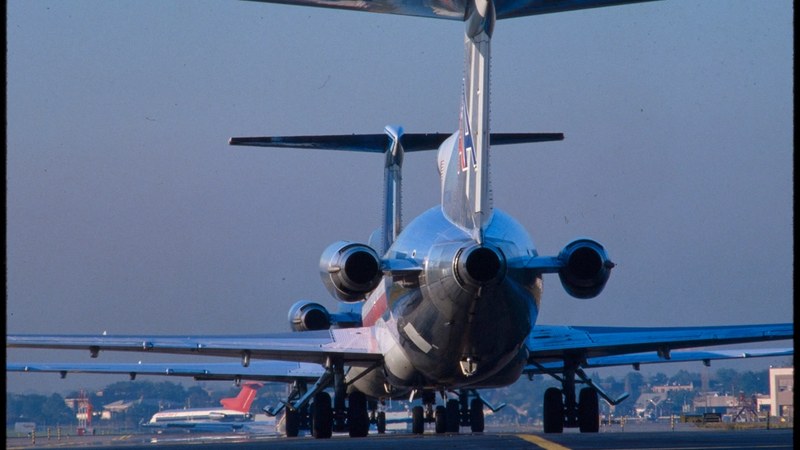
Ongoing technology shortcomings and operational inefficiencies have recently precipitated severe flight delays and cancellations across several major U.S. airports, including San Antonio International Airport. These disruptions have significantly affected the schedules of prominent carriers such as American Airlines, Delta Air Lines, and United Airlines.
San Antonio Airport has seen an exceptional surge in delays and cancellations, with dozens of flights experiencing hold-ups or complete cancellations. Concurrently, other hubs including Dallas-Fort Worth, Denver, and Columbus are also reporting notable operational challenges, exacerbating passenger travel complications nationwide.
American Airlines and United Airlines Passenger Experience Hampered
American Airlines, among the most heavily impacted carriers, has confronted widespread service interruptions due to
these technological and operational setbacks. Passengers have faced prolonged waits, missed connections, and significant uncertainty, creating a ripple effect that compromises customer satisfaction across core domestic routes.
United Airlines passengers are similarly encountering travel disruptions, amplifying congestion and logistical challenges within some of the busiest U.S. airports. The cumulative effect of these setbacks has strained airport facilities, gate management, and airline customer service capabilities.
Focus on San Antonio Airport’s Critical Role Amid Disruptions
San Antonio International Airport stands out as a focal point for the cascading travel disruptions, recording a particularly high number of delays and cancellations that directly influence multiple airlines’ operations. The magnitude of interruptions here highlights
vulnerabilities in current infrastructure and technology systems supporting flight scheduling and management.
These operational challenges at San Antonio, compounded by issues at other major airports, underscore the broader difficulties faced by U.S. aviation hubs attempting to maintain efficient flight flows in the face of aging or overwhelmed technological frameworks.
Industry-wide Implications for U.S. Airports and Airlines
The widespread nature of these delays and cancellations signals systemic concerns within the U.S. air transport network. Major airports like Dallas-Fort Worth and Denver serve as vital transit points for millions of passengers annually, and ongoing disruptions threaten airline operational resilience and passenger confidence.
Airlines are under pressure to address not
only the immediate impact on travelers but also the underlying technology and staffing issues contributing to these failures. Failure to resolve such challenges risks long-term damage to airline reputations and the overall competitiveness of U.S. airports as global aviation hubs.
Travelers Face Growing Challenges Amid Flight Disruptions
Passengers across affected airports are contending with unpredictable travel timelines and heightened stress levels due to these disruptions. Delays and cancellations impact connections, ground transport arrangements, and onward travel plans, often resulting in extended airport dwell times and the need for last-minute itinerary adjustments.
Although airlines and airports generally provide support and rebooking options, the scale of the current disruptions
complicates timely resolutions and amplifies passenger inconvenience. The ongoing situation highlights the critical need for robust contingency frameworks and enhanced communication in the face of technology and operational breakdowns.
Looking Ahead: Addressing Operational and Technological Weaknesses
While exact causes of the technology failures remain undisclosed by airlines and airports, the persistence of these issues calls for industry-wide reassessment and investment. Strengthening digital infrastructure, improving real-time data integration, and streamlining operational processes will be central to mitigating such disruptions moving forward.
Furthermore, collaborative efforts between airlines, airport authorities, and technology providers are essential to develop resilient systems capable of handling peak traffic demands and unforeseen challenges. For the
traveling public, enhanced reliability and smoother operations remain critical priorities as the aviation sector works to restore and maintain service standards.