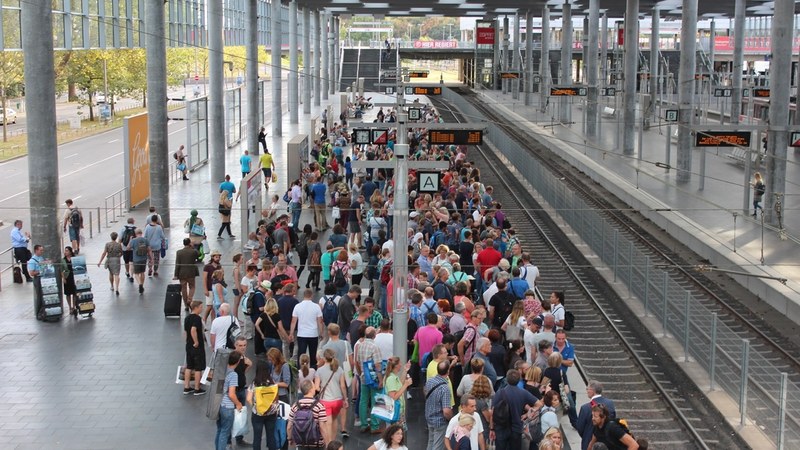
The final stage of Sydney’s multibillion-dollar Metro rail project opened to commuters on Friday, October 30, 2026. More than 1,000 passengers were present at Bankstown station from 2am ahead of the inaugural 4:31am south-west Metro service.
Conversion of Historic Line and Station Upgrades
The project included conversion of the 130-year-old Bankstown line and heritage stations to accommodate modern high-speed, automated, driverless trains. Ten new stations opened simultaneously: Punchbowl, Wiley Park, Lakemba, Belmore, Kempsey, Canterbury, Hurlstone Park, Dulwich Hill, Marrickville, and Sydenham.
Project Cost and Background
Sydney’s city and south-west Metro rail project had cost blowouts and delays, with a final price tag of just under $23 billion. It is one of
the most complex rail projects globally, replacing older infrastructure with advanced automated, driverless train systems.
Official Statements on Project Impact
NSW Premier Chris Minns described the day as a “huge day” for south-west Sydney residents, stating, “This Metro will knit different areas of Sydney together like never before. Commuters in Bankstown, Wiley Park, Belmore, Canterbury now have access to the same fast, reliable public transport connections that other parts of our city enjoy.” Bankstown MP Jihad Dib performed the ribbon-cutting ceremony marking the official opening of the south-west Metro line.
Service Frequency, Capacity, and Travel Time
Services are scheduled every four minutes during peak commuting times and offer 50% extra passenger
capacity compared to previous services. Travel time from Bankstown to Sydney CBD is reduced to 28 minutes.
Commuter Reactions and Service Advantages
Passengers expressed relief and excitement at the improved service compared to previous bus alternatives. One early morning commuter said, “Oh, it was really, really great. It’s an honour to be on the first one of the first ones, actually, to go on the train and bring my son and my brother as well. So it was it was fun.” Another added, “It was like so cool. Like the atmosphere, there were so many people on it. Like you would think at 4.30am it
would be fully empty, but it was packed. I don’t even think everyone got on.”
Economic Benefits and Regional Opportunities
Professor Azadeh Dastyari from the University of Western Sydney highlighted major economic benefits. She said, “What excites me about the Metro is the opportunities it opens up for people across Western Sydney. Shorter commutes will mean less time travelling and more time with family, friends and community. It will also make it easier for people to access jobs, education and essential services, improving both opportunities and quality of life.”