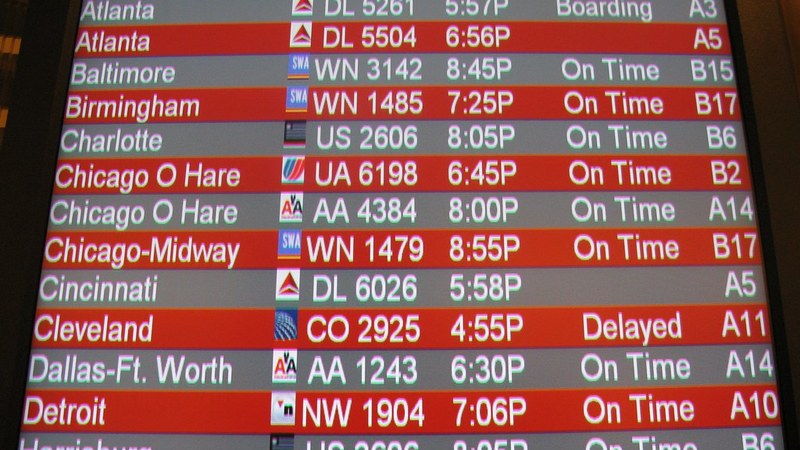
More than 570 flights were delayed and 53 canceled across the United States as of 9:35 a.m. EST on October 31, 2026. Globally, flight disruptions extended further, with over 11,410 worldwide delays and 521 cancellations reported by FlightAware at the same time.
Multiple US Airports Impacted by Weather Conditions
Delays and cancellations affected several major U.S. airports including Boston Logan International Airport, Denver International Airport, and San Diego International Airport. The Federal Aviation Administration attributed these disruptions to low cloud cover in Boston, Denver, and San Diego. Thunderstorms caused traffic interruptions at Phoenix Sky Harbor International Airport. Additionally, strong winds were cited as potential disruptive factors for
flights at Newark Liberty International Airport and McCarran International Airport in Las Vegas.
Traveler Guidance Amid Flight Disruptions
Passengers facing delays or cancellations on October 31 are encouraged to monitor flight statuses closely through airline websites or applications. Experts recommend enabling notifications for gate changes and other updates. Travelers connecting through busy airports should allow extra time for transfers. Keeping essential items accessible in carry-on luggage and reviewing airline refund and rebooking options can help manage extended delays or cancellations.
Expert Advice on Navigating Flight Cancellations
Eryn Gordon, a TedX speaker on ethical and responsible travel, emphasized treating cancellations as planning challenges rather than emergencies. She advised travelers to screenshot their
airline’s rebooking policy before departure. Gordon warned against immediately accepting the first available seat, noting that it could result in overnight stranding at connecting airports with luggage arriving separately.
FlightAware provides real-time tracking of delays and cancellations, allowing travelers to track ongoing disruptions. Meanwhile, United Airlines announced four new routes for 2027, highlighting continued industry adjustments despite current operational challenges.