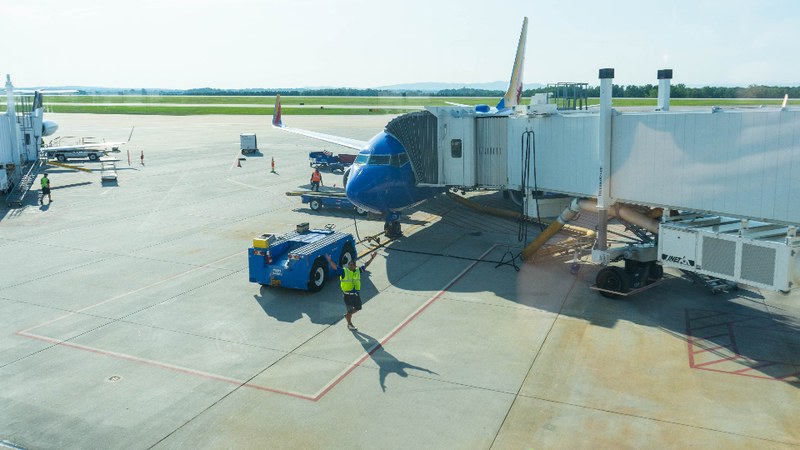
An accidental severing of a Verizon fiber-optic cable by a construction crew around 9:45 a.m. on Monday, September 21, 2026, triggered failures in both the primary and backup air traffic control circuits at the Philadelphia TRACON facility. The Philadelphia TRACON manages radar approach and air traffic control for flights operating in and out of Newark and Philadelphia airports, and the resulting outages severely disrupted operations across multiple Northeast US airports.
Multiple Northeast Airports Impacted by Ground Stops and Delays
The outages caused ground stops and significant delays at Newark Liberty International (EWR), Philadelphia International (PHL), LaGuardia (LGA), John F. Kennedy International (JFK), and Teterboro (TEB) airports. More than 600
flights scheduled for Newark were canceled by 6 p.m. Monday, accounting for over half the day’s departures, with nearly 100 additional flights delayed. At Philadelphia International Airport, more than 200 flights were canceled and over 400 were delayed. Flights into LaGuardia and JFK experienced temporary halts but resumed operations later that afternoon with lingering delays.
Cause of Disruption: Construction Crew Cuts Backup Fiber
The core problem originated when a construction crew working near North Brunswick, New Jersey, accidentally severed a Verizon fiber-optic cable approximately 10 feet from known utility markings. The severed fiber was the backup feed to the Philadelphia TRACON’s primary circuit, which had already experienced an
aging circuit failure. FAA Administrator Bryan Bedford stated the backup fiber broke when switching to backup mode. NJ Transit confirmed the crew accidentally cut the line and is investigating whether Verizon or the contractors were responsible for marking the utilities. Verizon denied fault, asserting their cables were properly placed and that the contractors carry responsibility for correct markings. Repairs to the damaged fiber-optic cable were completed by Monday evening, allowing air traffic control operations to resume.
Flight Cancellations, Delays, and Diversions Dominate the Day
The disruptions forced more than 100 Newark-bound flights to divert to alternate US airports including Detroit Metropolitan Wayne County and Washington Dulles International. FlightAware
data identified Newark as having the most flight cancellations worldwide on that day. United Airlines, which operates its busiest international hub out of Newark, canceled over 600 flights, and American Airlines also faced cancellations and delays across the affected airports. Combined, the grounding and delays impacted hundreds of flights and complicated schedule adherence across the Northeast corridor.
Airlines Respond with Flexible Policies and Staff Incentives
United Airlines waived all flight change fees and offered additional pay incentives to staff taking on extra shifts at Newark to manage disruptions. American Airlines likewise waived change fees and allowed customers extended options to fly out of alternate airports.
Officials Stress Infrastructure Modernization and Ongoing Investigations
U.S. Transportation Secretary
Sean Duffy confirmed repairs were completed by Monday evening but noted clearing the backlog of delays would take additional time. He emphasized the incident’s illustration of the need for modernizing the nation’s aging air traffic control infrastructure, calling for increased funding. FAA Administrator Bryan Bedford described the current data architecture as unchanged for 50 years, underlining plans to develop a modern federal enterprise network system pending budget approval. Verizon stated it was not responsible for the cable damage and continues active repairs. NJ Transit is investigating the utility markings and contractor compliance at the construction site. The infrastructure at Philadelphia
TRACON has experienced prior outages despite recent relocations and upgrades intended to reduce such failures.
Timing Amid Major International Event Underlines Vulnerabilities
The technical breakdown occurred hours before the United Nations General Assembly began in New York City, delaying arrivals of world leaders including Canadian Prime Minister Mark Carney. Flight disruptions from Newark, Philadelphia, and New York airports affected international arrivals from Europe and forced diversions.