An outage caused by a construction crew severing a Verizon fiber-optic cable on September 21, 2026, led to ground stops and extensive flight disruptions at five major Northeast airports including Newark Liberty International, Philadelphia International, LaGuardia, John F. Kennedy International, and Teterboro airports.
Cable Severing and FAA System Failures
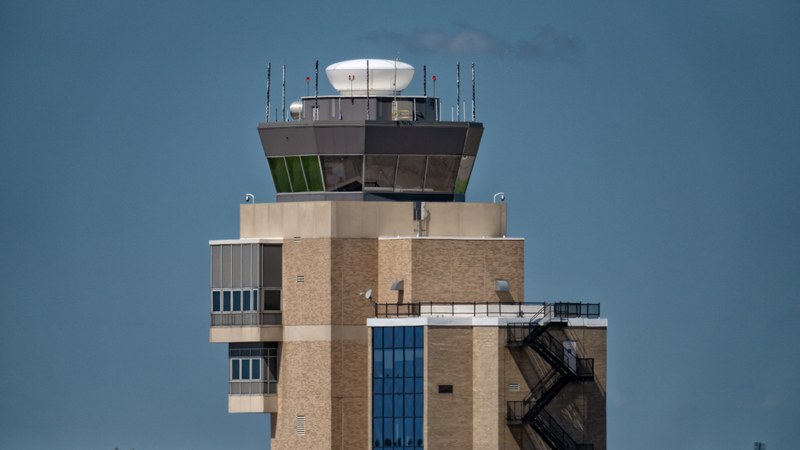
The fiber-optic cable was cut around 9:45 a.m. Monday while a construction crew worked in New Jersey near New Brunswick and North Brunswick. The damaged cable disabled the backup data feed to the FAA’s Philadelphia TRACON facility, responsible for radar approach and air traffic control for the affected airports. FAA Administrator Bryan Bedford reported that the primary
circuit had already failed earlier, and during switchover to the backup fiber, the break was discovered, resulting in a full communications outage until repairs were made.
Flight Cancellations, Delays, and Diversions
Newark Liberty International was the hardest hit, with more than 600 total flight cancellations by 6 p.m., including over 300 canceled by Monday evening, amounting to more than half the day’s scheduled departures. Additionally, nearly 100 flights were delayed at Newark, with some delays reaching up to 150 minutes. Philadelphia International Airport recorded over 200 flight cancellations and more than 400 delays. More than 100 flights originally destined for Newark were diverted to airports
such as Detroit Metropolitan Wayne County and Washington Dulles International. Operations at LaGuardia and JFK were briefly halted but resumed later Monday with residual delays.
United Airlines, the busiest carrier at Newark’s international hub, waived flight change fees and provided additional pay incentives for staff covering disrupted trips. American Airlines also waived change fees and allowed customers to fly from alternative airports to manage the disruption.
Officials Cite Aging Infrastructure and Ongoing Investigation
Transportation Secretary Sean Duffy announced completion of repairs and the resumption of normal airport operations. Verizon stated that their facilities were functioning properly before the incident and blamed construction contractors for cutting the cable
near utility markings. New Jersey Transit confirmed the cable was severed by a construction crew working approximately 10 feet from marked utilities and is investigating whether Verizon or the contractors made the markings.
Duffy and FAA Administrator Bryan Bedford attributed the outage partly to aging air traffic control infrastructure, noting the circuit involved was scheduled for replacement. Bedford explained, “We’re pulling copper up and putting fiber down, but it’s the same data architecture that we’ve had for 50 years.” Both officials emphasized the urgent need for modernization funds to upgrade the FAA’s network system and prevent future outages.
Traveler Impact and Broader Context
The outage
caused ground stops that halted departures and arrivals at multiple airports, delaying arrivals of international flights including key world leaders traveling to the United Nations General Assembly in New York. Canadian Prime Minister Mark Carney’s arrival was delayed, causing him to miss a planned summit. Flights in and out of Newark, Philadelphia, and New York-area airports faced cancellations, diversions, and delays up to 150 minutes, significantly disrupting travel on September 21, 2026.
The circuit break was discovered only after the system switched to the backup fiber feed supplying the Philadelphia TRACON, which controls approach and air traffic for Newark, Philadelphia,
and other nearby airports. Verizon stated, “Construction contractors working in the area dug up and cut our cable,” while adding, “Our cables were properly placed.” New Jersey Transit confirmed that its officials are determining which party marked the utility lines at the site.
United Airlines offered additional pay to its staff to cover disrupted trips at Newark, while American Airlines allowed travelers to fly from other airports without fees. FAA Administrator Bedford said the FAA is requesting budget increases to replace aging infrastructure, moving from copper to fiber and updating the system’s 50-year-old data architecture.