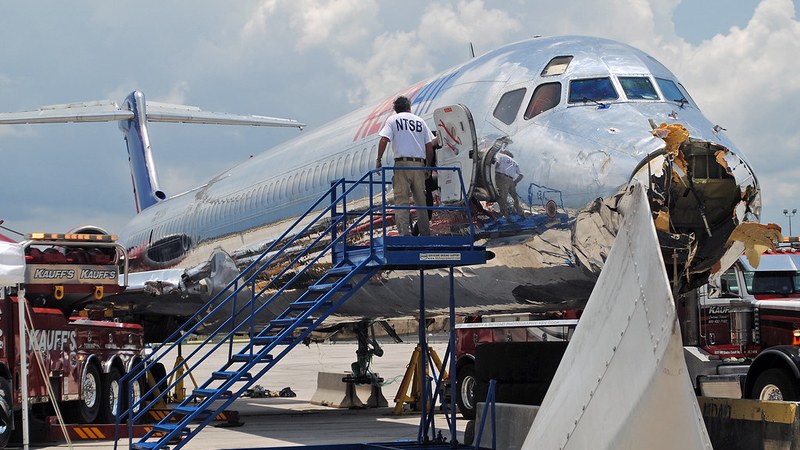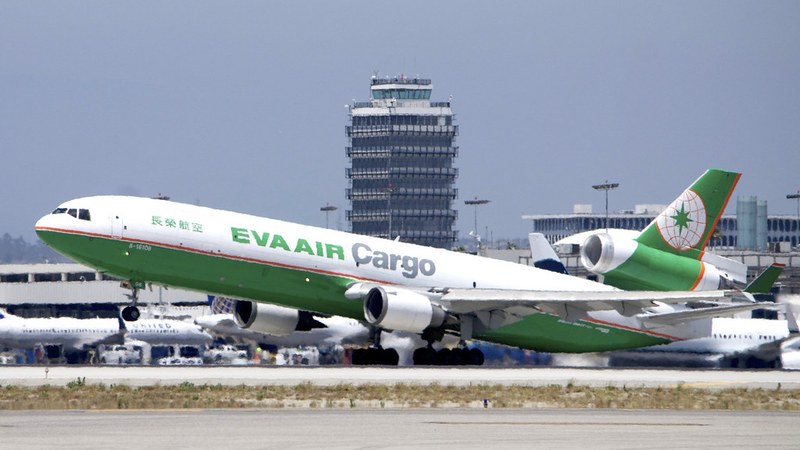
An Amazon Prime Air Boeing 767-300 cargo flight, Prime Air Flight 7598, overran Runway 30 at Miami International Airport just before 2 p.m. local time on September 6, 2026. The aircraft crashed beyond the airport perimeter near Northwest 67th Avenue, colliding with multiple vehicles and igniting a fire.
At least five individuals died and five others were hospitalized, with three reported in critical condition. Miami-Dade Fire Rescue officials confirmed the aircraft was leaking fuel as emergency units worked to contain the spill. More than 60 fire rescue units responded to the scene immediately following the incident.
FAA Ground Stop and Airport Operations
The Federal Aviation Administration
(FAA) issued a ground stop at Miami International Airport effective immediately after the crash. All runways and taxiways were closed, halting departures and arrivals. The ground stop was scheduled to remain in place at least until 5:30 p.m. Eastern Time on September 6 and extended into September 7 due to ongoing emergency response and investigation efforts.
The closure temporarily suspended flight operations at one of the busiest U.S. airports, severely disrupting air traffic and ground services.
Flight Cancellations and Passenger Delays
The crash caused significant flight schedule disruptions. According to FlightAware data, nearly 200 scheduled flights into and out of Miami International Airport were cancelled,
while more than 250 flights experienced delays. Average inbound delays reached approximately 6.5 hours, impacting passengers traveling during the Labor Day travel rush.
Miami International Airport handled approximately 26 million passengers in 2025 and typically serves around 900,000 passengers over the Labor Day weekend. The widespread cancellations and delays have affected travelers across the region and beyond.
Investigation and Official Responses
The runway overrun and crash are under active investigation by the FAA, with no official cause released. Investigators typically examine runway conditions, aircraft performance, braking action, and crew decisions for such incidents. There has been no indication yet of mechanical failure, weather effects,
or human error.
Miami-Dade Sheriff Rosie Cordero-Stutz provided casualty updates and affirmed ongoing communication efforts: “We will continue to update you as soon as information is confirmed.” She also expressed the community’s condolences, saying, “Our entire community is joined in prayers and grieving for those who are affected.” Miami-Dade County Fire Chief Raied Jadallah confirmed the aircraft was leaking fuel and firefighting teams worked to contain the hazard.
Amazon Prime Air issued a statement: “We’re working closely with local authorities and officials to understand exactly what happened. Right now, our absolute priority is the safety, well-being, and care of everyone
involved.” The cargo flight was operated by 21 Air and originated from Luis Muñoz Marín International Airport in San Juan, Puerto Rico.
Airport Significance and Context of Incident
Miami International Airport is a major gateway for Latin America and the Caribbean, making it a critical logistics and passenger hub. The crash occurred during the peak Labor Day holiday travel period, intensifying its impact on U.S. aviation operations and travelers.
The cargo flight involved carried no passengers. The incident adds to a series of recent cargo aircraft accidents in the U.S., highlighting ongoing operational risks faced by freight and passenger carriers alike.