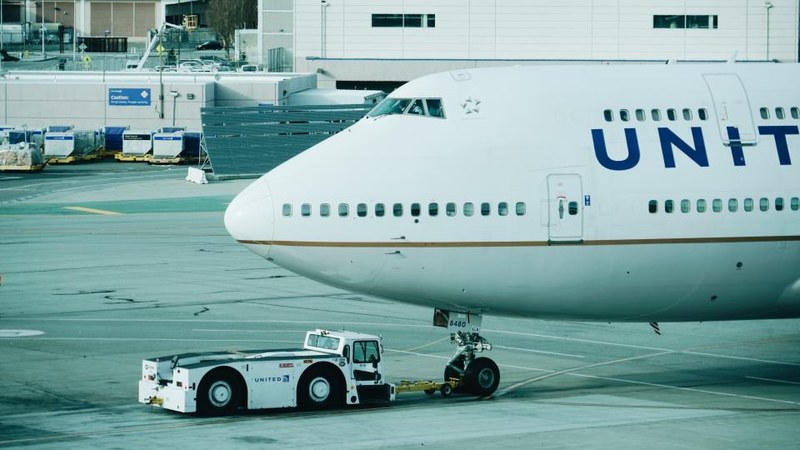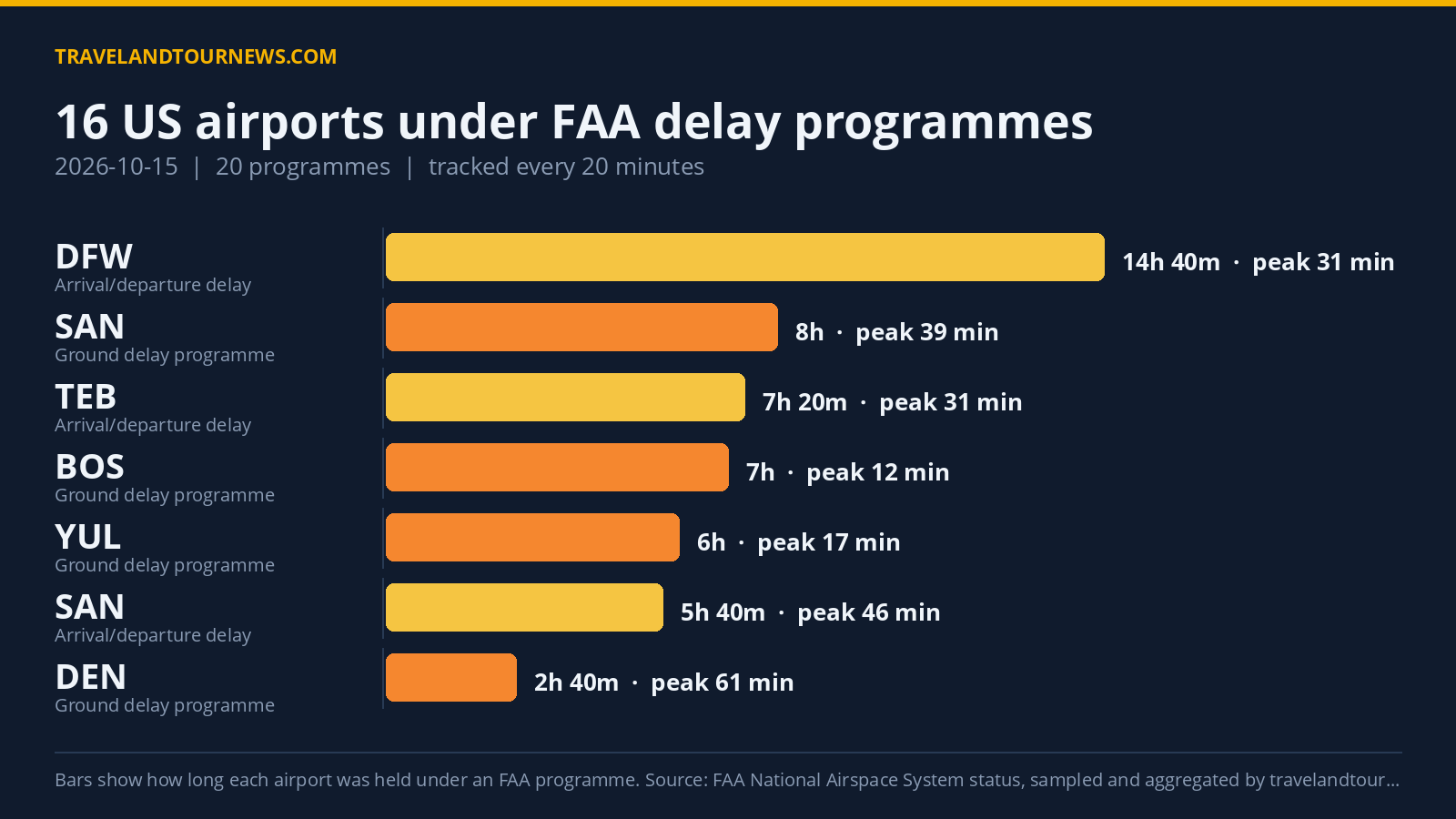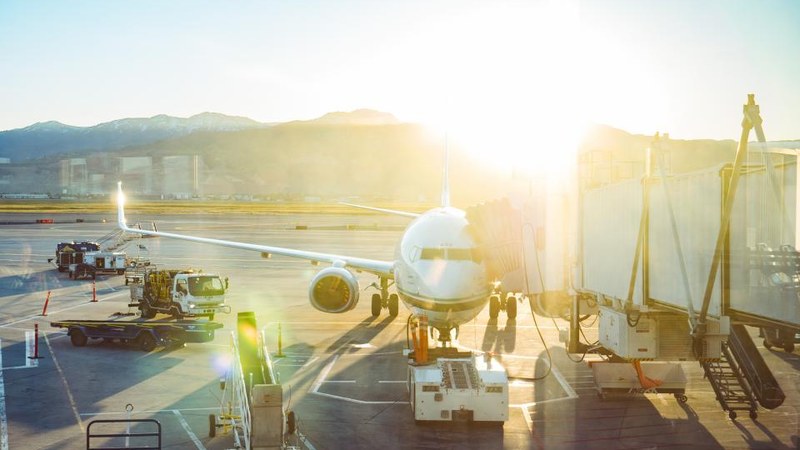
The Federal Aviation Administration (FAA) imposed a ground stop at Chicago O’Hare International Airport during the morning hours of August 30, 2026, causing flight delays reaching into the triple digits at one of the busiest airports in the United States.
Strong thunderstorms with fast-moving storm cells moved across northern Illinois, prompting the FAA to temporarily halt many departures bound for Chicago and sharply limit arrivals into O’Hare. Ground stops are employed to pause or meter air traffic to maintain safety and manage congestion around airports under adverse conditions.
Many departures from major hubs in the Midwest, East Coast, and Southern
United States experienced delays of two to three hours or more. The cascading effect impacted connecting flights, as slower gate turnovers and inbound crew and aircraft delays further extended outbound flight wait times.
By midday, traffic management programs remained active at O’Hare, with ongoing departure delays and some arrivals subject to airborne holding or rerouting as controllers worked through the backlog created by the morning weather disruption.
O’Hare operates more than 3,000 flights on peak summer days. Federal Aviation Administration and U.S. Department of Transportation filings in 2026 have identified chronic congestion at O’Hare caused by flight schedules exceeding the
airport’s proven capacity during key hours. These filings warned that overscheduling contributes to frequent ground delay programs and ground stops, especially during weather events.
Passengers faced extended taxi times and waits on the tarmac, with travel through O’Hare strained by the combined impact of heavy flight volumes, ongoing construction, and weather interruptions. The Chicago Department of Aviation is coordinating with the FAA and airlines to manage schedules and alleviate congestion during peak periods.
This ground stop occurred amid a summer of multiple high-impact weather days at O’Hare that have included multi-hour flight delays and temporary halts to arrivals. Federal plans
call for aggressive schedule management at O’Hare through at least October 2027 to better align flights with airport capacity and airspace limitations.