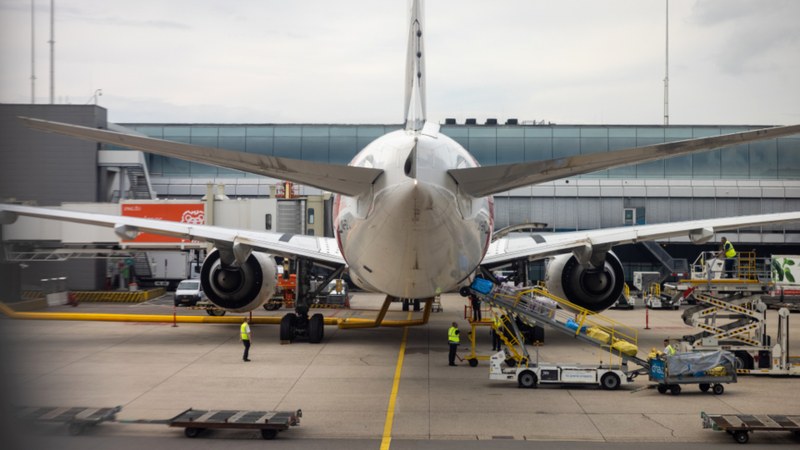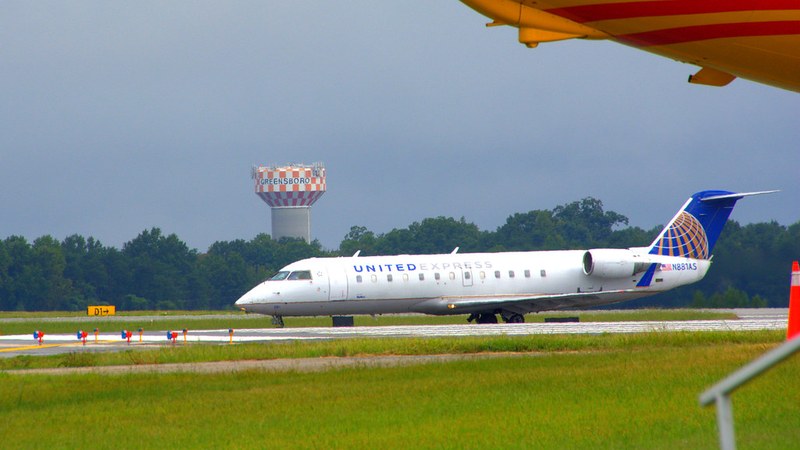
The Federal Aviation Administration (FAA) imposed a ground stop at Chicago O’Hare International Airport on Sunday morning, August 30, 2026, resulting in delays exceeding triple digits. The ground stop disrupted hundreds of flights, severely restricting both departures and arrivals during peak travel hours.
Thunderstorm-Induced Traffic Halt
The disruption was caused by strong thunderstorms moving across northern Illinois, which prompted FAA to pause flights landing at and departing from O’Hare due to unsafe and congested airspace conditions. The meteorological situation forced air traffic controllers to enforce a complete ground stop at the airport as storm cells tracked through the Chicago metropolitan area in the
morning hours.
Delays Affect Midwest, East Coast, and Southern Hubs
Flights departing for Chicago from major hubs across the Midwest, East Coast, and Southern United States experienced delays exceeding two hours, with some flights delayed by three hours or more. Arrival traffic into O’Hare was sharply limited, reducing throughput significantly and creating a backlog in both inbound and outbound flights. By midday Sunday, traffic management programs remained active, prolonging delays into early afternoon despite the weather clearing.
Cascading Operational Impact
Connecting passengers received the greatest impact as the limited number of arriving aircraft slowed gate turnaround. Outbound flights faced additional delays waiting for inbound crews and planes, compounding wait times. Limited
gate availability and crew shortages contributed to extended taxi times and passengers remaining on board during prolonged waits. The effect extended beyond the immediate weather window, affecting flight schedules throughout the day.
O’Hare’s Capacity and Scheduling Challenges
Chicago O’Hare handles more than 3,000 flights on peak days under a schedule that federal authorities consider to exceed the airport’s operational capacity during critical hours. The 2026 summer schedule has been identified by the U.S. Department of Transportation and FAA as contributing to chronic congestion and the frequent implementation of ground delay programs and ground stops. Airport infrastructure projects and ongoing construction compound these challenges by limiting
operational flexibility.
Federal Management of Flight Schedules
The FAA and U.S. Department of Transportation have instituted schedule caps aiming to reduce congestion and manage traffic volume at O’Hare through at least October 2027. These measures are coordinated with the Chicago Department of Aviation to align flight operations with the airport’s capacity constraints and mitigate disruptions caused by overscheduling and adverse weather events.
Passenger Guidance and Continuing Delays
Travelers were advised to obtain flight-specific updates directly from airlines due to the complex and fluctuating operational conditions. Despite clearing weather, delays persisted as aircraft and crews were repositioned and gate availability remained limited. Residual delays were expected to continue for several hours
after the ground stop was lifted.
Impacts Beyond O’Hare
Nearby Chicago Midway International Airport also experienced elevated delay levels but to a lesser degree than O’Hare. The extensive disruption at the nation’s busiest air hub signifies the continuing challenges of managing high flight volumes and unpredictable summer thunderstorms across northern Illinois and the broader U.S. transport network.