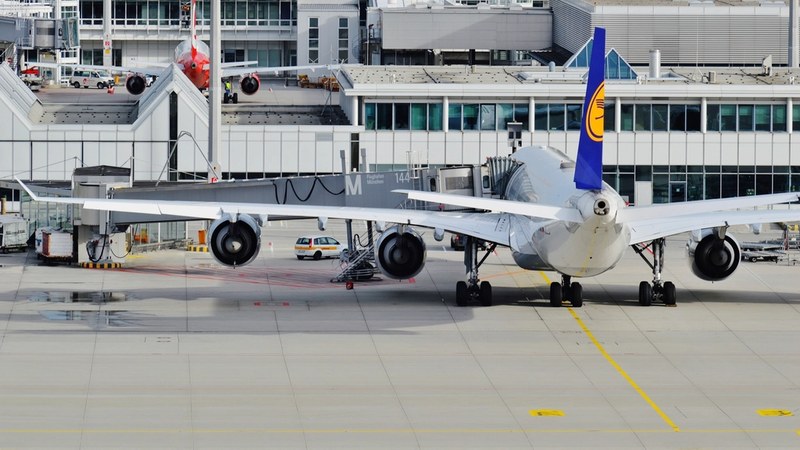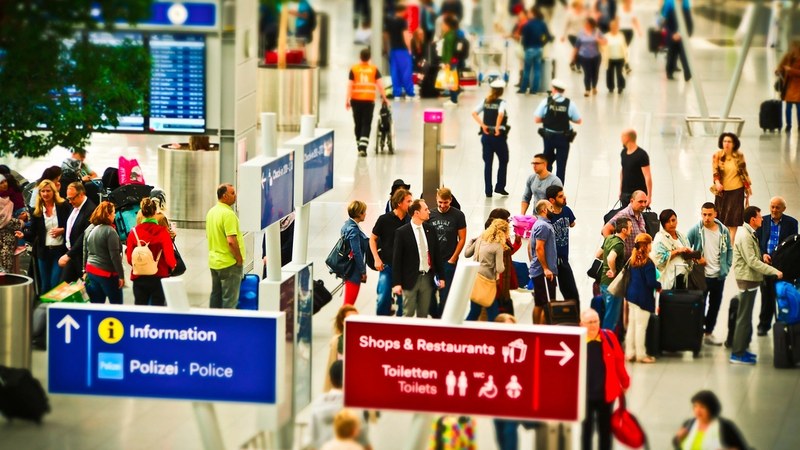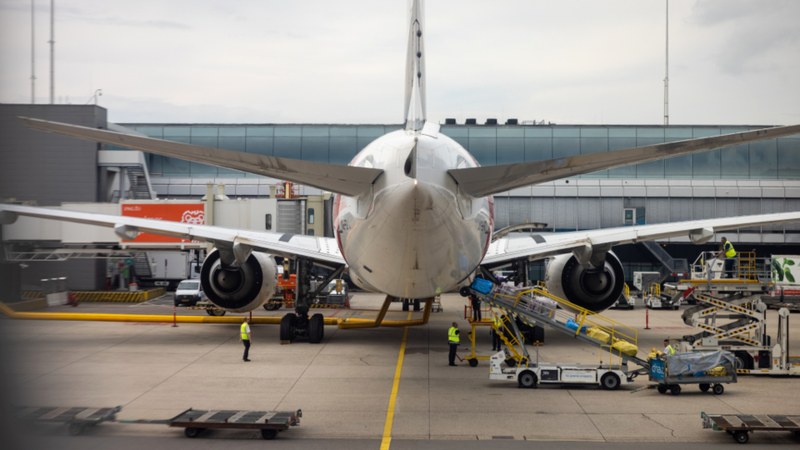
The Federal Aviation Administration (FAA) enforced a ground stop at Hartsfield-Jackson Atlanta International Airport on July 12, 2026, temporarily pausing both departures and arrivals. This action effectively halted flight operations at the busiest passenger airport in the United States, causing immediate disruptions across the domestic air traffic network.
Atlanta’s Central Role in U.S. Air Traffic
Hartsfield-Jackson Atlanta International Airport serves as the world’s busiest airport by total passenger count and is a critical connecting hub for one of the nation’s largest airlines. Its role as a primary transfer point links flights across the Southeast, Northeast, and Midwest, as well as international connections to Europe and Latin America.
The hub’s volumes and tightly scheduled traffic make it particularly vulnerable to even brief operational halts.
Common Causes of Ground Stops at Atlanta
FAA advisories identify several typical triggers for ground stops at Atlanta, including convective thunderstorms, low visibility, staffing limitations, and traffic flow management constraints. Weather events such as severe thunderstorms, hail, lightning, and sudden visibility reductions frequently reduce airport capacity to near zero. These conditions require air traffic control to limit departures and arrivals until conditions improve.
Ripple Effects and Flight Disruptions
Flight-tracking data during the July 12 stoppage indicated that Atlanta led the nation in flight delays and cancellations, becoming the top source of disruption across the United States.
Comparable past ground stops have seen hundreds of flights canceled on a single day, with many more delayed by an hour or longer. The stop also triggered cascading effects on regional airports in the Southeast, Northeast, and Midwest, where connecting flights were disrupted despite clear local weather.
Effects on Passengers and Travel Network
Passengers suffered missed connections within Atlanta, with limited rebooking options due to near-capacity summer schedules. Airlines generally respond to such disruptions by issuing travel waivers allowing itinerary changes within a narrow window or rerouting when seats are available. Passengers with connections in cities such as New York, Chicago, Dallas, Charlotte, Boston, and Los
Angeles faced increased risks of prolonged delays or cancellations due to network-wide impacts.
Historical Disruptions and System Vulnerabilities
Similar past incidents, including a major IT failure tied to the CrowdStrike system in July 2024, have caused widespread ground stops and flight cancelations at Atlanta. That event resulted in over a thousand flight cancellations in one day and took several days to restore normal operations. Beyond weather, digital infrastructure dependencies, such as crew-management and gate systems, amplify vulnerability at a hub operating hundreds of flights within narrow timeframes.
Capacity Challenges and System Resilience
The July 12 ground stop at Atlanta highlights ongoing challenges in managing air traffic capacity and safety at
major hubs. Even short-term suspensions trigger cascading delays and cancellations nationwide, affecting transcontinental and international flights. Recovery efforts typically focus on restoring main trunk routes first, leaving smaller markets with limited service until schedules normalize. Such disruptions underscore the sensitivity of highly optimized air networks to traffic management constraints.