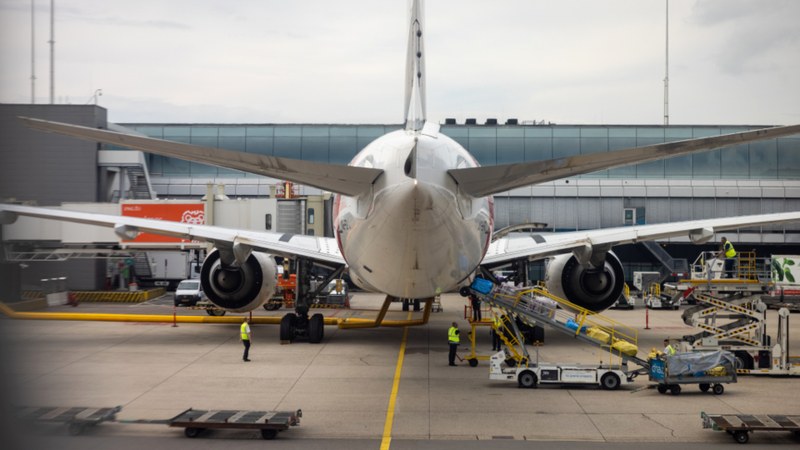
On July 11, 2026, U.S. airlines cancelled 172 flights and delayed 3,189 others amid continuing disruptions linked to thunderstorms from the previous day. American Airlines reported the highest delay count with 522 flights delayed and 17 cancelled, while JetBlue led cancellations with 42 flights cancelled and 179 delayed. Delta Air Lines recorded 360 delays and 28 cancellations. Other carriers affected include United Airlines with 215 delays and 7 cancellations, SkyWest Airlines at 158 delays and 2 cancellations, and PSA Airlines, American’s regional operator, posting 120 delays and 22 cancellations.
Hartsfield-Jackson Atlanta and JFK Airports Lead Disruptions
Hartsfield-Jackson Atlanta Airport in Georgia had the highest volume of flight
delays nationwide, reporting 294 delays and 20 cancellations. The airport’s status as the world’s busiest hub magnifies the ripple effects of these operational hold-ups. John F. Kennedy Airport in New York experienced the largest number of cancellations among airports, recording 35 cancellations alongside 170 delays. Boston Logan Airport in Massachusetts recorded 288 delays and 16 cancellations amid lingering effects from prior thunderstorms. Dallas-Fort Worth Airport in Texas reported 262 delays and 12 cancellations, while Charlotte Douglas Airport in North Carolina posted 180 delays and 16 cancellations amid recovery efforts. Additional significant disruption levels were noted at Philadelphia Airport (120 delays,
9 cancellations), Orlando Airport (117 delays, 8 cancellations), Reagan National Airport in Virginia (123 delays, 11 cancellations), LaGuardia Airport in New York (119 delays, 10 cancellations), Phoenix Sky Harbor Airport in Arizona (87 delays, 4 cancellations), and Louis Armstrong New Orleans Airport in Louisiana (31 delays, 1 cancellation).
Storm Aftereffects Continue Across Major Hubs
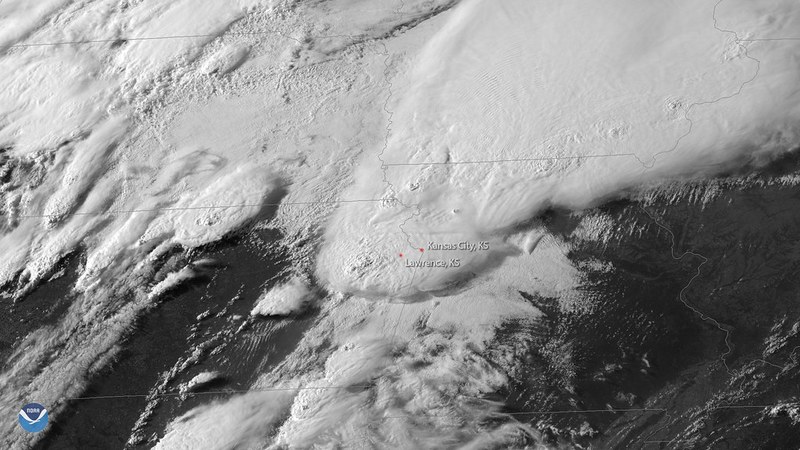
The July 11 disruptions are a continuation of operational challenges following widespread thunderstorms on July 10, which affected air traffic in multiple U.S. regions. The severe weather impacted airports in Boston, New York metropolitan area (JFK, LaGuardia, Newark), Philadelphia, Atlanta, Charlotte, and various Florida airports including Orlando. Additional low cloud cover affected
San Francisco and San Diego. These conditions caused delays in aircraft rotations, flight crew displacement, and congestion in scheduling, all contributing to cascading impacts on air travel operations across the country.
New Weather Threats Forecast to Increase Airline Disruptions
For July 12, scattered showers and thunderstorms are forecast across the southern half of the U.S., from the Desert Southwest through the Southeast, South-Central states, Mid-Atlantic, and parts of the Upper Midwest. Forecasters warn some Southeast storms may escalate to severe levels, producing damaging wind, hail, and isolated tornadoes. These anticipated conditions pose additional risks for flight delays, cancellations, and rerouting, particularly at already affected hubs such as Atlanta,
Boston, New York, Dallas-Fort Worth, Charlotte, Philadelphia, and Orlando.
Extended Impact on Travelers and Airlines
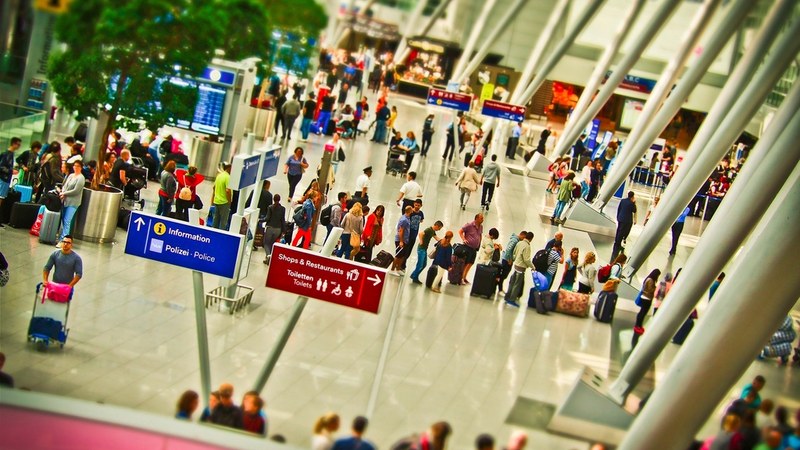
Travelers continued to face significant scheduling disruptions with delayed and cancelled flights prevalent at major U.S. airports on July 11. The persistent impact on airline operations reflects the difficulties in restoring normal flight rotations and crew positions following the prior day’s severe weather. American Airlines experienced the highest delays with 522 flights late, while JetBlue registered the most flight cancellations at 42. Regional operations also reported issues, with PSA Airlines noting 120 delays and 22 cancellations, and Endeavor Air, a Delta regional carrier, recording 116 delays and 2 cancellations. Tradewind reported
8 cancellations with no delays, indicating selective schedule adjustments.