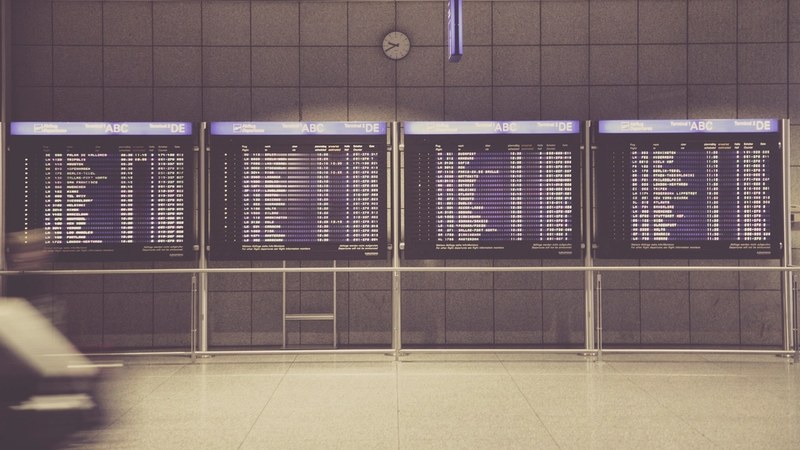
The Federal Aviation Administration (FAA) implemented a temporary ground stop at Hartsfield-Jackson Atlanta International Airport on July 12, 2026. This order halted departures and sharply restricted arrivals, causing thousands of flight delays and cancellations at the nation’s busiest passenger airport today.
Atlanta Airport’s Central Role Causes Cascading Disruptions
As the busiest airport globally by passenger volume, Atlanta serves as the primary connecting hub for one of the largest U.S. airlines and a key transfer point for many others. Disruptions here rapidly propagate to major domestic hubs including New York, Chicago, Dallas, and Charlotte. During the stoppage, Atlanta recorded the highest delays and cancellations nationwide, with operational impacts
extending to regional airports throughout the Southeast, Northeast, and Midwest.
Common Triggers of Ground Stops at Atlanta
The FAA often imposes ground stops at Atlanta due to air traffic control or safety constraints that reduce handling capacity. Frequently cited triggers include convective thunderstorms, low visibility, and staffing or flow-management limitations. Severe weather events such as hail, lightning, and rare instances requiring control tower evacuation have historically brought airport movements to a near standstill. Operational vulnerabilities extend beyond weather to include technological failures and localized infrastructure faults, such as fueling or gate-management system glitches, that can rapidly exacerbate disruptions.
Passenger Impact and Airline Rebooking Policies
Travelers experienced widespread cancellations and delays during the ground
stop, with many forced to adjust itineraries or rebook flights amidst limited seat availability during this peak travel period. Missed connections at Atlanta have stranded passengers, sometimes for days, as onward flights fill quickly. Airlines typically offer travel waivers during such disruptions, allowing rebooking within a restricted time window or rerouting through alternate hubs when space permits, but options are often limited during high demand.
Historical Context and Recovery Challenges
Similar previous ground stops at Atlanta have resulted in hundreds of cancellations in a single day, including the July 2024 CrowdStrike IT failure event that caused more than 1,000 cancellations. Recovery from major disruptions at
Atlanta can take several days as aircraft and crews are repositioned. Delays can persist for hours or longer after ground stops are lifted, with airlines prioritizing key trunk routes first, often leaving smaller markets underserved during the recovery phase.
Guidance to Travelers and Industry Challenges
The FAA and airlines advise passengers to monitor flight status frequently and allow extra time at the airport. Travelers with connections at Atlanta are recommended to choose longer layovers or earlier flights to reduce the risk of missed connections during ongoing disruptions. The latest event underscores continuing challenges in managing growing traffic volumes alongside weather extremes and critical infrastructure vulnerabilities at
America’s busiest airport, with brief interruptions at Atlanta cascading through national and international air networks.