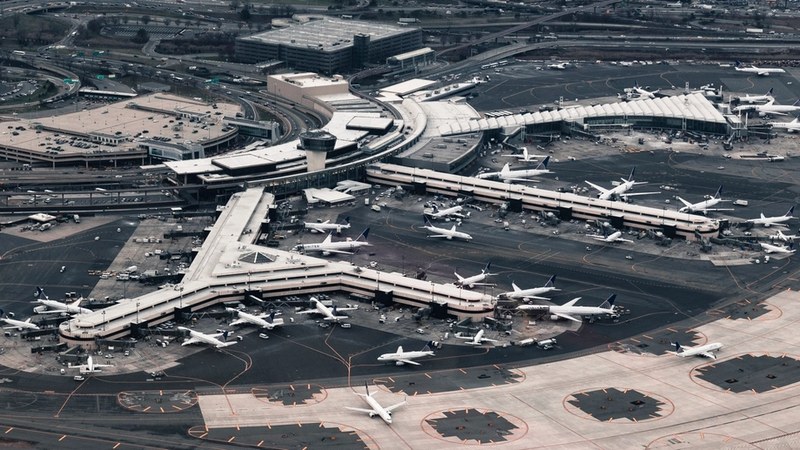
The Federal Aviation Administration (FAA) imposed extensive flight delays and cancellations at New York area airports, including John F. Kennedy International, LaGuardia, Newark Liberty International, and Philadelphia International, on July 16 and into July 17, 2026. The FAA implemented ground stops and ground delays to manage air traffic amid difficult operating conditions.
Flight Disruptions Exceed 4,500 Across Key Airports
More than 500 flights were cancelled and over 4,000 flights were delayed across the four airports during the evening of July 16. Ground stops, which suspend some or all departures destined for these airports, alternated with ground delays that allowed flights to depart but with issued takeoff times
to regulate spacing of incoming traffic.
Delays Affect JFK, LaGuardia, Newark Liberty, and Philadelphia
These restrictions impacted flights into and out of John F. Kennedy International Airport, LaGuardia Airport, Newark Liberty International Airport, and Philadelphia International Airport. The FAA facilities responsible for air traffic control for these airports faced constraints in managing the heavy flow of flights under the conditions prevailing on those dates.
Weather and Staffing Shortages Cause Disruptions
The FAA attributed the delays and cancellations to a combination of adverse weather in the New York area and air traffic control staffing shortages. These shortages affected the FAA’s capacity to handle traffic normally, compounding delays caused by weather challenges such as thunderstorms or
low visibility that require stricter spacing and timing between aircraft.
Impact on Travelers and Official Resources
Thousands of travelers experienced flight delays or cancellations at these major airports, affecting schedules and connecting flights. The FAA advises affected passengers to consult FlightAware and the FAA’s official websites for current flight status and advisories as the situation evolves through July 17. These sites provide real-time updates on delays, ground stops, and cancellations to assist travelers with planning.
The FAA confirmed the implementation of these delay strategies as necessary due to both weather conditions and staffing constraints, underscoring ongoing operational challenges at New York area’s busiest airports during this
period.