On July 19, 2026, European airports reported 2,448 flight delays and 85 cancellations affecting countries including France, Germany, Spain, the Netherlands, the United Kingdom, Austria, Switzerland, Denmark, Ireland, and Iceland. Major hubs such as Frankfurt, London Heathrow, Paris Charles de Gaulle, Zurich, and Vienna recorded the highest disruptions, with Frankfurt airport leading at 283 delayed flights and five cancellations, London Heathrow with 268 delays and 10 cancellations, Paris Charles de Gaulle with 255 delays and 10 cancellations, Zurich with 247 delays and 10 cancellations, and Vienna reporting 243 delays and 7 cancellations.
Airline-Specific Disruptions in Europe
Austrian Airlines experienced the greatest operational impact across
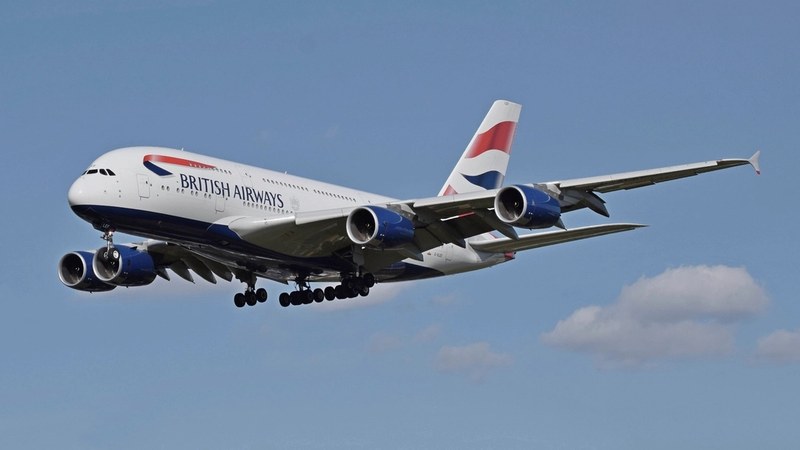
Europe with 153 delayed flights and 8 cancellations, mainly due to issues at Vienna and Zurich airports. British Airways recorded 139 delays and 4 cancellations, mostly at London Heathrow, where it was the most disrupted airline. Air France encountered 125 delayed flights and 3 cancellations mainly at Paris Charles de Gaulle, also the primary affected carrier there. Lufthansa contributed the bulk of delayed flights at Frankfurt, Europe’s busiest disrupted airport, while Swiss had the largest number of delays at Zurich. United Airlines reported 15 cancellations across multiple airports, including Heathrow, Paris, Zurich, Frankfurt, Dublin, Edinburgh, and Keflavik.
Operational and Geopolitical Factors Driving Disruptions
Flight delays and
cancellations were primarily caused by operational challenges and congestion at major European hubs during the busy summer travel period. The interconnectedness of hubs like Frankfurt, London Heathrow, Paris Charles de Gaulle, and Vienna caused localized disruptions to propagate continent-wide. Escalating geopolitical tensions involving US-Iran hostilities further complicated the situation. On July 17, 2026, an Iranian ballistic missile and drone attack killed two American service members at a US military base in Jordan, prompting immediate US airstrikes. This escalation heightened security concerns and led to stricter airspace protocols affecting airline operations in Europe.
Impact on Passengers at Major European Airports
Thousands of travelers faced delayed and cancelled flights
at key hubs including London Heathrow, Paris Charles de Gaulle, Frankfurt, Madrid, Barcelona, Amsterdam, Vienna, Zurich, Dublin, Berlin, Copenhagen, Edinburgh, and Reykjavik. The wide network of affected carriers – Austrian Airlines, British Airways, Air France, Lufthansa, Ryanair, easyJet, KLM, Swiss, United Airlines, Condor, Discover, Air Dolomiti, HOP!, Delta Air Lines, Air Baltic, Helvetic, Lauda Europe, Eurowings, and Emirates – meant disruptions at one airport caused knock-on effects for flight schedules elsewhere.
Context of Summer Travel Season and Data Source
The ongoing summer travel season increased pressure on European airline operations, exacerbating operational challenges and congestion. Real-time data sourced from FlightAware as of 1:00 pm ET (USA) on July
19, 2026, reflects active airspace and ground delays at Europe’s busiest airports in a complex environment affected by geopolitical instability.