Between July 19 and 20, 2026, European airspace saw significant operational disruption with at least 85 flight cancellations and 2,448 delays. Key countries impacted included Spain, Germany, France, Austria and their neighbors, involving major airlines such as Air France, Austrian Airlines, Lufthansa, and British Airways.
Delays and Cancellations Concentrated at Major European Airports
Frankfurt Airport recorded 283 delays alongside five cancellations, making it the most affected airport in Europe during the period. Paris Charles de Gaulle Airport followed with 255 delays and 10 cancellations, while Zurich Airport accounted for 247 delays and 10 cancellations. Vienna Airport experienced 243 delays and seven cancellations. London Heathrow saw 268 delayed flights
and 10 cancellations.
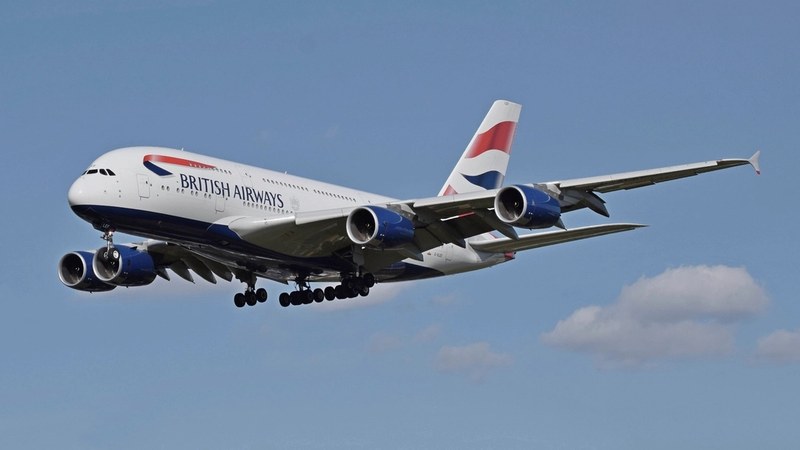
Austrian Airlines faced the most airline-specific disruption with 153 delays and eight cancellations, particularly at Vienna and Zurich. British Airways logged 139 delays and four cancellations primarily at London Heathrow. Air France had 125 delayed flights and three cancellations at Paris Charles de Gaulle. United Airlines reported the highest number of cancellations by an airline, totaling 15 spread over airports including London Heathrow, Paris, Zurich, Frankfurt, Dublin, Edinburgh, and Keflavik.
Operational Constraints and Geopolitical Tensions Underpin Disruptions
The widespread delays and cancellations resulted largely from air traffic flow management constraints within Europe’s upper airspace sectors, especially over France, Germany, and Central Europe. Eurocontrol identified
persistent capacity restrictions and staffing limits in control centers at Marseille, Reims, Karlsruhe, Vienna, and Barcelona as key contributors.
Increased congestion at central hubs combined with summer travel surges has stretched air traffic services beyond capacity. Geopolitical tensions between the United States and Iran have added complexity through heightened airspace restrictions and more cautious airline operational planning, further pressuring flight schedules.
Passenger Disruptions Include Missed Connections and Rebooking Challenges
Passengers faced extensive missed connections due to the cascading delays, longer wait times at airport customer service desks, and overnight accommodations resulting from cancellations. Same-day rebooking options grew scarce especially at major airports like Frankfurt, Paris Charles de Gaulle,
and Vienna amid peak summer travel traffic.
Travelers are urged to continuously monitor flight status via airline websites and apps before arriving at airports. EU passenger rights apply in cases of cancellations or significant delays, potentially entitling passengers to meals, hotel stays, and compensation depending on circumstances and delay duration.
Continued Air Traffic Management Strain and Capacity Adjustments
Current airline operational analyses reveal Lufthansa and Austrian Airlines are especially vulnerable to delays connected to European airspace restrictions. Airlines have started targeted capacity reductions on certain routes to address congestion, with Lufthansa Group scaling back segments of its intra-European schedule.
Eurocontrol forecasts air traffic volumes to remain at or
near peak levels through August, increasing the probability of ongoing delays if air traffic control capacity stays constrained. Travelers with critical connections or onward international flights may find it beneficial to anticipate additional transfer time or earlier departures to reduce risk.