The European Union began operating its biometric Entry/Exit System (EES) in October 2025 at external border crossing points across 29 member countries. The EES replaces manual passport stamping for non-EU travelers with biometric data collection including facial images and fingerprints.
The system records entry and exit times digitally to improve security, automate overstay monitoring and facilitate quicker return visits. The rollout is staged, aiming for full deployment by spring 2026, with eu-LISA managing technical operations and national border agencies gathering traveler data.
Operational Challenges at Airports and Land Borders
During the phased introduction, many border posts still perform manual passport stamping alongside biometric registration, slowing traveler processing.
Staffing shortages, limited biometric kiosks, and manual handling of families and elderly passengers have increased queues.
Airports serving popular routes from the UK, US and other non-EU countries have reported wait times up to two hours during busy periods in early 2026. This is particularly acute for first-time EES enrollees who must submit full fingerprint and facial scans.
Land border crossings, including the Croatia–Serbia route, experienced multi-kilometer vehicle queues and several hours of delay in late July and early August 2026, as officers processed a mixture of passport, customs, and biometric checks.
Traveler Impact and Enrollment Procedures
Non-EU travelers are subject to biometric enrollment requirements
that extend passport control processing, especially when registering fingerprints and facial data for the first time. Repeat travelers benefit from reduced biometric scanning requirements, resulting in quicker crossings.
Some passengers at major Schengen airports have missed connecting flights due to these border control bottlenecks. Travel advisories issued by some governments now recommend allowing extra time at entry points to accommodate delays linked to EES processing.
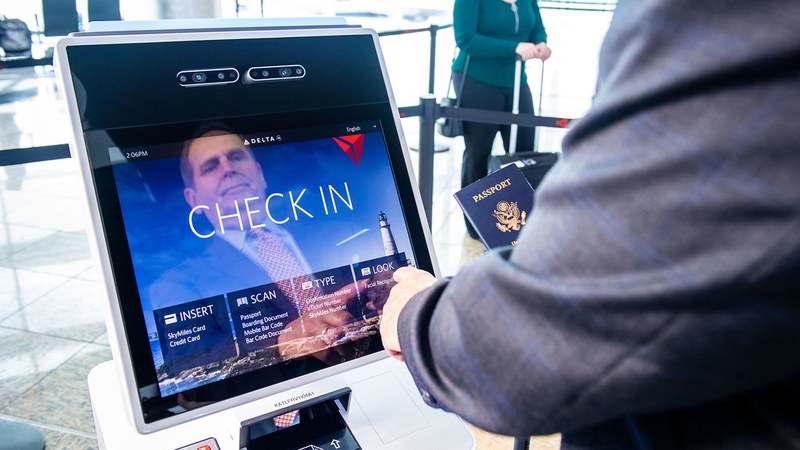
Carriers and airports have updated pre-departure communications to alert passengers about biometric procedures. Airports also provide guidance and maps showing kiosk locations to better prepare travelers.
Industry Concerns and System Flexibility
European aviation groups warn that border staffing and infrastructure
have not matched the added complexity introduced by EES biometric checks. Technology issues and the continued need for manual interventions contribute to the slowdowns.
Industry representatives urge the European Commission and member states to use the system’s flexibility to temporarily limit biometric enrollment during severe congestion periods. The European Parliament notes member states may reduce full biometric captures as a congestion mitigation measure.
Context and Expected Improvements
Despite initial delays, the EES is designed to speed repeat border crossings by easing biometric requirements after initial enrollment. Land border deployment experiences are expected to help refine airport passenger handling as the system matures.
Infrastructure improvements
are underway at land crossings, such as expanded inspection lanes and covered waiting areas, which aim to alleviate queue formations. Coordination between border agencies, airlines, and airports is critical as passenger volumes grow toward the planned full operational status in spring 2026.