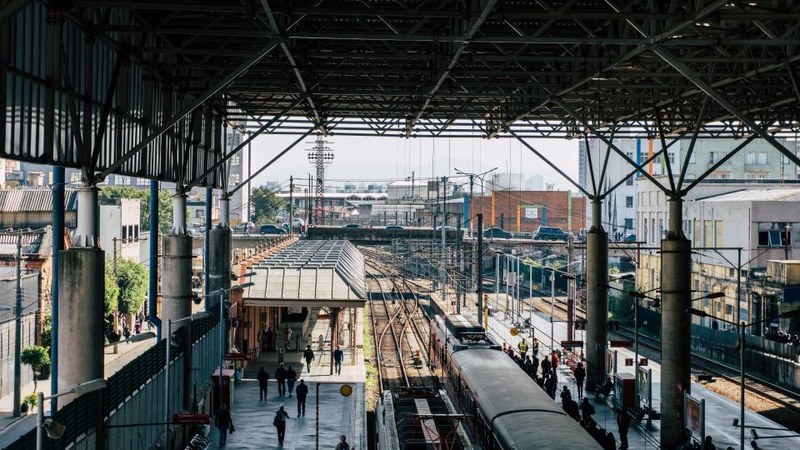
Emergency speed restrictions and timetable modifications have been enforced across multiple English rail routes from early August 2026 following soil shrinkage linked to a persistent drought and heatwave. A soil moisture deficit driven by unusually low spring rainfall and sustained high temperatures has caused clay embankments underneath tracks to dry and contract, disrupting track geometry and prompting safety-related speed reductions.
South Western Railway Reduces Services from 10 August
South Western Railway announced on 10 August that services between Yeovil and Exeter St Davids will be cut to one train every two hours. Passengers travelling between London Waterloo and Exeter should expect journey times extended by up to 27
minutes. These adjustments respond to the vulnerability of SWR’s West of England line to soil moisture deficits, which affect track stability along that route.
Other East England Operators Impose Speed Limits from Early August
From 3 August, late-night speed restrictions and timetable changes commenced on routes managed by Great Northern, Greater Anglia, c2c, and the Elizabeth line in eastern England. Great Northern imposed timetable changes on services to and from King’s Lynn in Norfolk. Greater Anglia altered certain evening services across Essex, introducing rail replacement buses. Some late c2c trains to Shoeburyness experienced timetable adjustments. The Elizabeth line operates reduced services between 11pm and midnight between Gidea Park and Shenfield
on selected dates. All these restrictions are to remain in place until ground conditions improve.
Network Rail’s Maintenance Responses to Track Instability
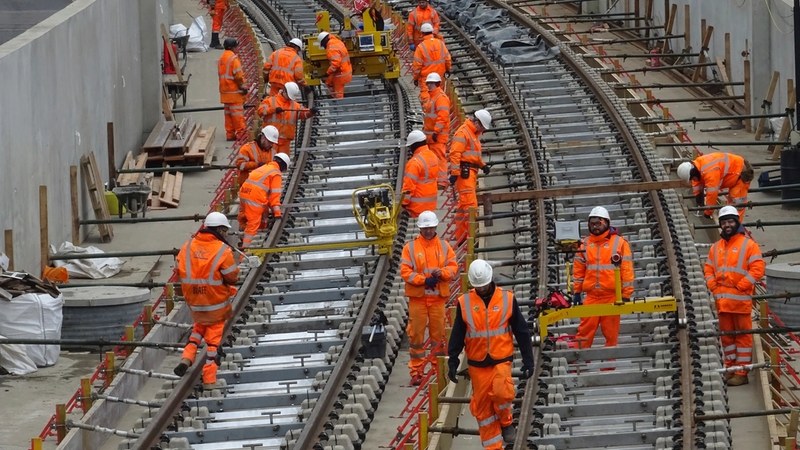
Network Rail engineers have deployed tampers to lift tracks and press new stone ballast beneath rails, creating stabilized foundations where soil shrinkage compromised track quality. In 2025, tamping treatment covered approximately 62 miles (100 km) of track on Anglia routes. For 2026, around 49,000 tonnes of ballast are scheduled to be installed to help maintain track smoothness and safety throughout the summer months impacted by drought.
Impact of Repeated Weather-Related Disruptions and Official Statements
This is the second consecutive year that prolonged hot, dry weather has caused significant issues for Britain’s rail infrastructure.
Lawrence Bowman, managing director of South Western Railway and Network Rail Wessex, stated that investments and strategic planning have reduced journey time penalties by approximately 30 minutes compared to last year’s interventions while maintaining safety. A Network Rail spokesperson confirmed that tamping and ballast work continue to be critical in managing track conditions during dry periods.