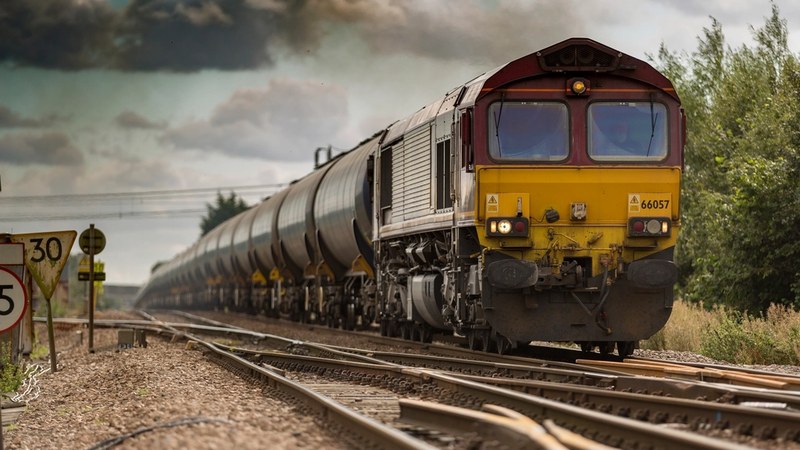
Rail services across England are reducing train speeds and changing timetables as hot and dry weather causes soil shrinkage that affects railway embankments and track safety.
Affected Rail Operators and Routes
South Western Railway (SWR), Great Northern, Greater Anglia, c2c, and the Elizabeth line have initiated speed restrictions and timetable adjustments. SWR’s changes impact the West of England line between Yeovil and Exeter St Davids, while Great Northern applies changes on routes including the line to and from King’s Lynn in Norfolk. Greater Anglia has revised some evening services in Essex, c2c has altered late services to Shoeburyness, and the Elizabeth line operates a reduced
service between Gidea Park and Shenfield during late evening hours.
Timetable Changes and Speed Restrictions
Network Rail enforced late-night speed restrictions and timetable modifications from 3 August on affected routes, continuing “until the ground conditions have recovered,” according to an official statement. South Western Railway’s timetable changes begin Monday, 10 August, with trains between Yeovil and Exeter St Davids running every two hours. Journey times between London Waterloo and Exeter are expected to increase by up to 27 minutes due to these alterations.
Technical Causes of Track Issues
The underlying cause is a soil moisture deficit (SMD) resulting from the UK’s fourth heatwave of 2026, following a dry spring with
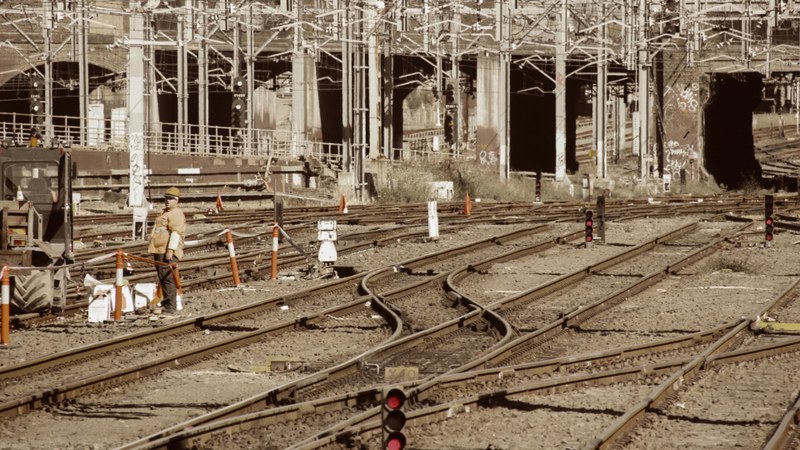
low rainfall coupled with prolonged hot summer weather. Many railway embankments rest on clay soils that shrink as moisture evaporates, disturbing track geometry by causing sleepers to drop or shift. Disrupted track geometry compromises safety and mandates train speed reductions to maintain secure operations.
Network Rail’s Mitigation Efforts
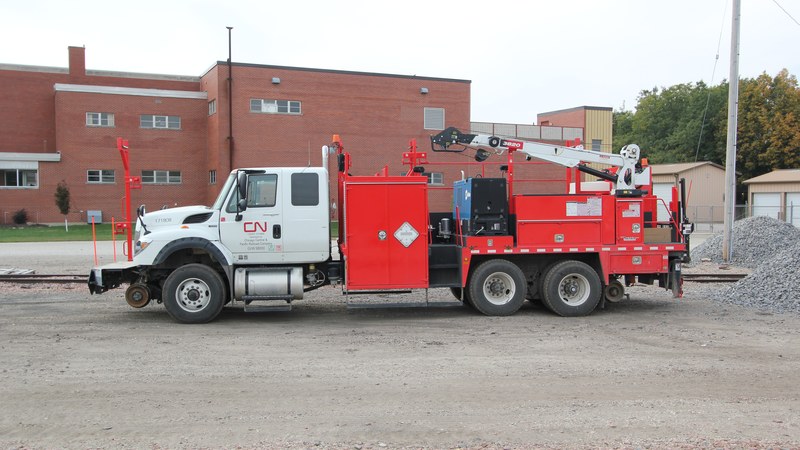
Network Rail engineers address the problem through tamping machines that lift tracks and add stone ballast beneath, stabilizing the rails. Additional ballast is spread to raise track levels. In 2025, about 62 miles (100 km) of track on Anglia routes underwent tamping treatments. Ahead of the summer, thousands of tonnes of ballast have been applied, with
49,000 tonnes planned for use on affected routes throughout 2026.
Impacts on Passengers
Passengers travelling between London Waterloo and Exeter should allow for up to 27 minutes of additional journey time. Reduced train frequency, such as the two-hourly service between Yeovil and Exeter, and timetable changes including some rail replacement buses are affecting evening and late-night services. These adjustments aim to ensure safety while limiting delays.
Official Statement from South Western Railway
Lawrence Bowman, Managing Director of South Western Railway and Network Rail Wessex, noted the increasing frequency of extreme weather events impacting the network. He said extensive strengthening work was completed since similar conditions last year. “As a
result of that careful planning, we’ve managed to reduce journey times in our amended timetable by around 30 minutes compared to last year, minimising the impact on our customers while also keeping them safe,” Bowman said.