Deutsche Bahn has delayed the principal commissioning of the Stuttgart 21 rail remodelling project to December 2031, increasing total projected costs to €14.5bn. The revision follows an internal audit that identified significant planning, control, and risk management failures within the scheme.
Audit Reveals Serious Project Deficiencies
The internal audit concluded the original commissioning target of 2026 was unrealistic. Deutsche Bahn CEO Evelyn Palla characterized the audit findings as ‘shocking’ and noted that the complexity of railway hub digitalisation was underestimated. The report highlighted outdated infrastructure, including a technical building constructed in 2013 that no longer meets current requirements, and warned of delayed adaptation to evolving
power supply standards necessitating extensive redesign efforts.
Construction Defects Necessitate Extensive Cable and Duct Replacement
Construction problems were identified, notably the incorrect installation of cable ducts. Under severe time pressures, standard planning procedures were bypassed, triggering premature engagement of contractors. Over 1,000 km of cables and ducts laid during construction will require replacement due to these defects, escalating project complexity.
Phased Commissioning Timeline Extended to 2033
The revised Stuttgart 21 schedule introduces phased commissioning milestones between 2027 and 2033. Public access improvements via the historic Bonatz concourse at Stuttgart Hauptbahnhof are planned for December 2027. The new long-distance station at Stuttgart airport (Flughafen Fernbahnhof) will open for regional services in December 2030. The complete
rebuilding of Stuttgart Hauptbahnhof is targeted for December 2031, followed by a recontrolled S-Bahn link with ETCS Level 2 and ATO by July 2032. The 11.5 km Pfaffensteig Tunnel, connecting the Gäubahn line to the through station and airport, is scheduled to open in December 2033.
Project Scope Includes Extensive Infrastructure Upgrades
Stuttgart 21 encompasses approximately 100 km of new trackwork, 11 tunnels with a total bore length of 56 km, and 42 bridges. The project replaces Stuttgart Hauptbahnhof’s 16 terminal platforms with eight through tracks oriented perpendicular to the original station layout. It also features a new inter-city station at Stuttgart airport and integration with
the Digital Node Stuttgart programme, which modernises regional rail signalling with ETCS and digital interlockings. The project complements the Wendlingen – Ulm high speed line, 59.6 km long, operational since December 2022 but reliant on Stuttgart 21’s completion to realize full benefits.
Financial and Legal Developments Affect Stuttgart 21
Deutsche Bahn anticipates approximately €3bn in additional costs, bringing the total budget to €14.5bn. A Baden-Württemberg court rejected DB’s appeal to distribute cost overruns amongst project partners, leaving Deutsche Bahn responsible for the entire budget increase.
Management Changes and Service Mitigation Plans Implemented
On March 1, 2026, Klaus Müller assumed the CEO role of DB Projekt Stuttgart-Ulm GmbH, taking over from Olaf Drescher. Deutsche Bahn
has also overhauled its management team to identify bottlenecks sooner and reduce delay risks. To alleviate passenger disruption during the extended construction, DB plans an enhanced rail replacement service featuring buses, standby vehicles, and passenger guides.
Stuttgart’s Strategic Role Reinforced by Project
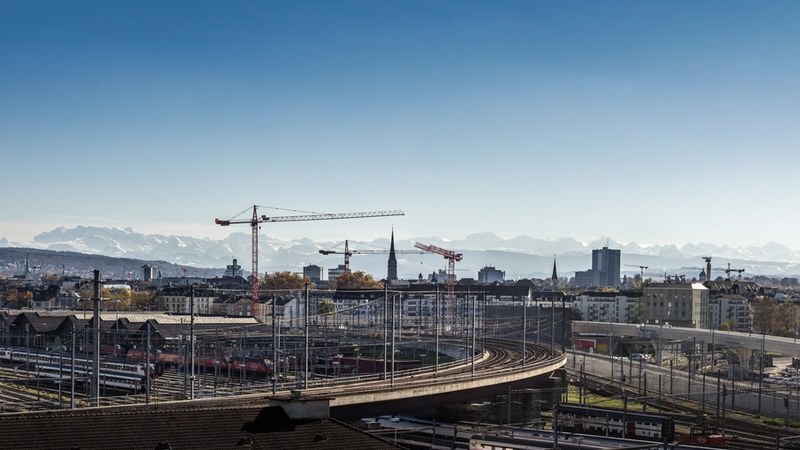
With a population exceeding 600,000, Stuttgart is a vital railway hub in southwestern Germany near France and Switzerland. Stuttgart 21 aims to modernize this node on the Frankfurt – Stuttgart – München rail axis and the Trans-European Transport Network corridor from Paris to Bratislava via Strasbourg, München, and Wien. The completion of this extensive rail reorganisation will impact international and national services across this
key European route.