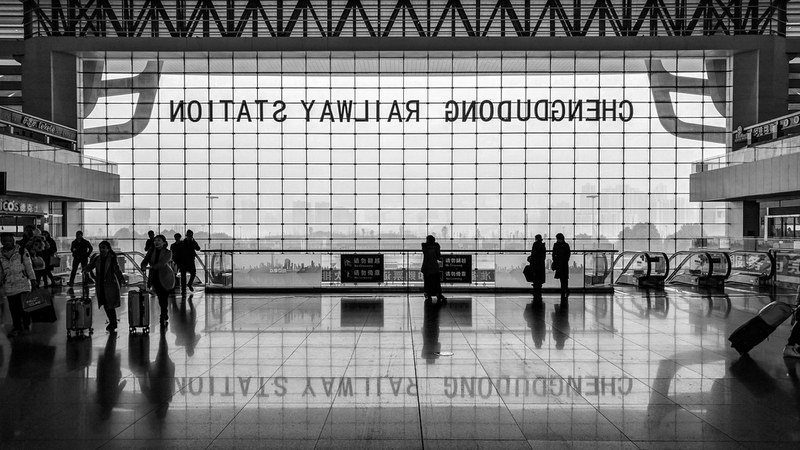
China recorded 150 million visitor arrivals in 2026, with an average per capita tourism spending of $357.3, representing only 29.1% of the global average, according to data referenced by eu.36kr.com.
Visa-Free Policies Drive Inbound Arrivals and Consumption Growth
The National Immigration Administration reported a 7.9% year-on-year increase in entry-exit inspections nationwide during the third quarter of 2026, reaching 192 million inspections. Among inbound foreigners, visa-free entrants totaled 8.992 million person-times in the same period, accounting for 77.5% of the overall inbound foreign population and showing a 24.1% year-on-year rise.
Inbound tourism arrivals in 2025 reached 154.5 million person-times. Additionally, consumption by inbound tourists increased by 44.01% in the
first half of 2026, while arrivals grew 49.72% year on year, according to tourism data from the Ctrip platform. Visa-free policies covering 57 countries under the 240-hour transit policy and 61 countries under Hainan’s 30-day inbound visa-free policy support this growth, with Russia’s visa-free entry extended until December 31, 2027.
Large Tourist Volumes Contrasted by Low Spending Patterns
Industry experts have identified a structural contradiction in China’s inbound tourism of “large volume but low value.” Xu Peng, Vice Chairman of the World Tourism Alliance and Chairman of Zhejiang Tourism Association, emphasized the short length of tourist stays and insufficient consumption depth as key factors behind the low per
capita spending of $357.3 in 2025.
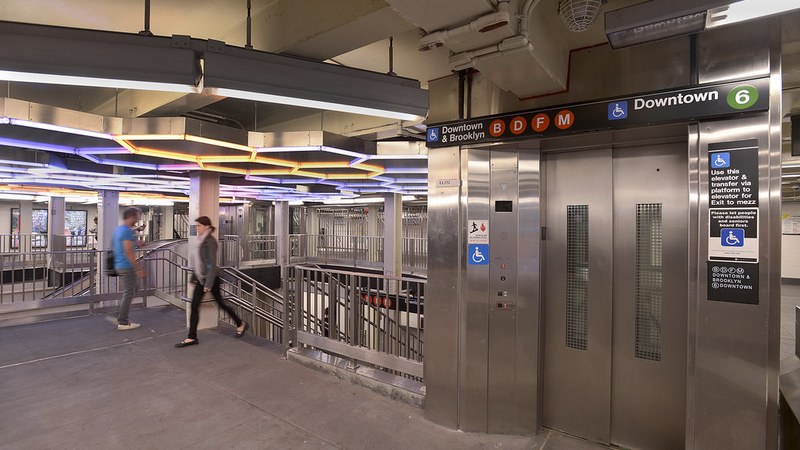
Common low-cost experiences preferred by foreign tourists include subway rides, shared bicycles, and inexpensive local foods like jianbing guozi and zhajiangmian. A typical two-day high-quality tour guide service commands about 3,000 yuan (approximately $430 USD) per person, yet many tourists opt for cheaper, self-guided activities.
Cultural Trends Influence Tourist Behavior But Not Spending
Growing interest in Chinese cultural experiences, reflected in trends like “Becoming Chinese” and “China Maxxing,” has shaped itineraries but has not significantly raised spending. Export volumes of culturally related Chinese products aligned with this trend reached 5 billion yuan for thermos flasks and 2.7 billion yuan for tea in
the first quarter of 2026, as reported by Wang Jun, Vice Director-General of the General Administration of Customs.
Digital Payment and Service Barriers Limit Foreign Tourist Consumption
Foreign visitors frequently encounter challenges using China’s digital payment systems. Multiple QR codes for different services and language switches from English to Chinese create barriers. Many tourists struggle to distinguish payment codes from travel codes or to use local apps such as ride-hailing within restricted zones.
Lai Yang, an expert of the China General Chamber of Commerce, highlighted obstacles in mobile payment, online reservations, identity verification, and e-commerce, which directly restrict inbound tourists’ consumption in retail, dining, and service sectors. The complexity
contrasts with domestic consumers’ seamless usage of digital services.
Government Measures Support Inbound Tourism Expansion
In March 2026, nine government departments including the Ministry of Commerce introduced the “Policy Measures on Promoting Travel Service Exports and Expanding Inbound Consumption”. The measures aim to enhance inter-regional data connectivity and improve digital service convenience for foreign visitors.
China continues to expand visa-free transit policies and develop national tourism branding to sustain growth. The visa-free entry policy remains a major driver, with the Ministry of Foreign Affairs confirming valid periods for multiple countries, including indefinite visa-free status for Brunei and extensions for Russia until the end of 2027. Trip.com
Group CEO Jane Sun underscored visa-free access as the core engine for inbound tourism’s trillion-yuan market expansion.