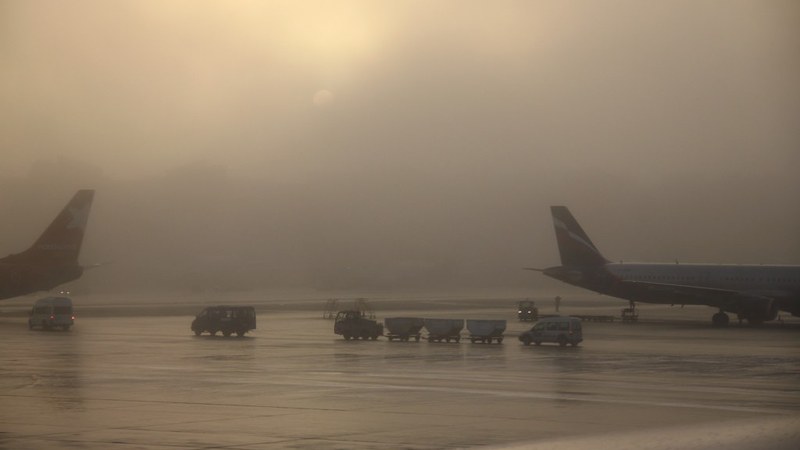
Dense and freezing fog around Edmonton International Airport disrupted flights on November 2, 2026, causing cancellations and delays mostly overnight and into the early morning across domestic and transborder routes. The adverse weather conditions were present from late November 1 into early November 2, severely limiting visibility and affecting airline operations.
Weather Conditions and Seasonal Context
Weather reports indicated freezing fog at Edmonton International Airport with temperatures below freezing and light winds that prevented moisture dispersal. Environment bulletins on November 1 covered central Alberta, including the area around Edmonton, highlighting dense fog and low visibility that persisted overnight. These conditions align with typical seasonal patterns
in late autumn when temperature inversions and longer nights trap moisture near the ground.
Affected Flights and Routes
Flight schedules were disrupted across a range of routes. Canadian carriers cancelled late-night and overnight flights from leisure destinations including Cancun and Puerto Vallarta. Domestic services connecting Edmonton with Calgary, Vancouver, Yellowknife, and Fort McMurray also saw cancellations and delays late on November 1. Transborder flights arriving overnight from Las Vegas and Phoenix were cancelled, while a Houston arrival was significantly delayed on the same night.
Evening services from British Columbia and Alberta regional centers were delayed or cancelled due to the low visibility. Aircraft that
operated in the early morning frequently arrived behind schedule, reflecting stricter flow controls enacted to manage safety risks amid the fog.
Operational Challenges Due to Freezing Fog
Freezing fog combined poor visibility with the risk of ice buildup on aircraft and ground infrastructure, requiring tighter operational limits for takeoffs and landings. Air traffic controllers and airlines reassessed arrival and departure rates as visibility fluctuated near critical thresholds. Ground handling slowed as crews followed safety procedures delays were compounded by slower taxi operations and cargo handling under restricted visibility.
Airlines serving Edmonton prioritized connectivity on trunk routes during the disruption, while seasonal leisure and point-to-point services saw
higher cancellation rates due to aircraft and crew reassignment challenges.
Traveler Impact and Recovery
Passengers faced flight cancellations and delays primarily overnight and in the early morning hours of November 2. Travelers were advised to monitor flight statuses online and maintain updated contact information for notifications about rebooking. Ground access to Edmonton International was slower than usual due to fog-related road safety issues and localized low-visibility pockets, suggesting commuters allocate extra travel time.
By mid-morning on November 2, flight schedules largely normalized with most daytime flights from hubs including Toronto, Calgary, and Vancouver departing on time. However, some cancellations persisted on Vancouver routes, indicating
ongoing recovery efforts related to aircraft and crew repositioning. Residual delays may continue to affect passengers connecting to northern and remote Alberta destinations later in the day.
Seasonal Fog Advisories and Airline Policies
The dense fog episode corresponds with typical late autumn weather patterns for central Alberta involving temperature inversions that trap moisture near the surface. Weather services forecasted potential lingering patchy fog and freezing temperatures around Edmonton International Airport beyond November 2 morning.
Travel guidance encourages passengers scheduled to fly through Edmonton during late autumn and winter to allow additional buffer time in itineraries, especially for early departures or late arrivals, due to frequent fog-related
disruptions. Airlines publish varied policies regarding weather-induced rebooking, same-day flight changes, and accommodations; passengers should review these details before traveling.