Operational Strain Leads to Significant Delays and Cancellations at Chicago O’Hare
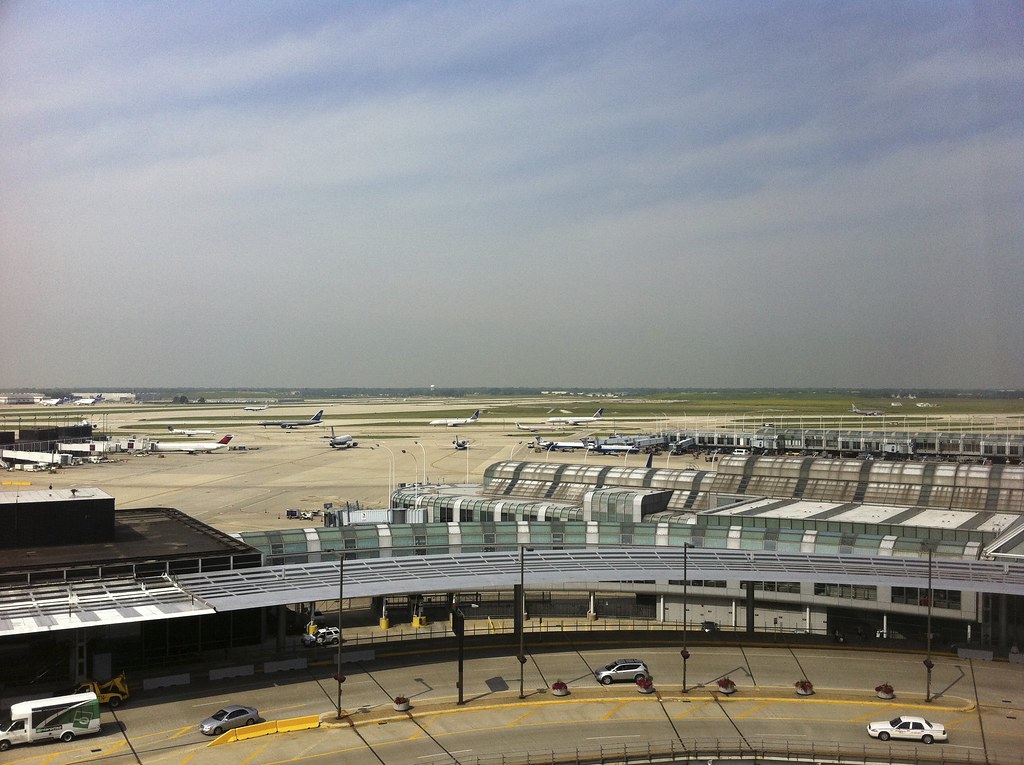
Chicago O’Hare International Airport continues to experience substantial flight delays and cancellations that are impacting numerous domestic and international routes. As one of the busiest airports in the United States, disruptions here affect a wide range of airlines and travelers. Major carriers including United Airlines, Delta Airlines, and American Airlines are all reporting operational difficulties resulting in prolonged wait times and a higher volume of canceled flights.
The strain at O’Hare is reverberating throughout the U.S. travel network, creating cascading operational challenges at other key city hubs. Passengers en route to or from Chicago are encountering schedule adjustments, demanding flexibility
and advance preparation.
Impact on Major Airlines and Their Routes
Flight delays and cancellations have been particularly notable on routes serviced by United Airlines, Delta Airlines, and American Airlines. These disruptions affect a mix of domestic flights connecting Chicago to key U.S. cities as well as transatlantic routes to European destinations. The scale of operational issues at O’Hare means travelers are facing uncertainty across both short-haul and long-haul itineraries.
Delta Airlines patrons report heavier delays on flights originating from or destined for Chicago, while American Airlines has seen cancellations affecting several corridors. United Airlines, which maintains a significant presence at O’Hare, is also navigating operational challenges that
impact service reliability. These disturbances contribute to widespread ripple effects impacting travelers’ onward connections and transfer options.
Navigating Travel Disruptions: What Passengers Should Know and Do
For travelers passing through Chicago O’Hare, the current environment demands proactive planning and real-time information monitoring. Passengers are encouraged to:
Continuously check flight status with airlines prior to departure and monitor updates while at the airport. Allow for extended layovers or consider alternate routes when feasible to mitigate the risk of missed connections. Engage airline customer service promptly regarding rebooking options if facing cancellations or long delays. Prepare for longer wait times at check-in, security, and boarding given the increased operational pressures.
Staying informed through airline apps, airport alerts, and official channels remains critical. Early arrival at the airport is advisable to accommodate
potential crowding and processing delays.
Broader Traveler Implications and Airport Operations
The disruptions at Chicago O’Hare underline the fragile nature of air travel networks, especially at congested international hubs. U.S. travelers relying on this gateway for connections are experiencing complexity in itinerary management and may need to adjust plans accordingly. The compounded effect of cancellations and delays creates operational challenges not only for airlines but also for airport services and ground handling crews.
Airlines are actively managing their schedules and resources, yet travelers should anticipate that delays may continue intermittently given the ongoing pressures on airport operations and flight coordination.
Practical Considerations for Upcoming Travel Plans
As disruptions at Chicago O’Hare persist,
passengers should approach travel with a flexible mindset and consider alternative travel options where appropriate. This may include exploring flights through other major airports, adjusting travel dates, or allowing extra time between connections to account for possible delays.
Staying updated via official airline communications and airport information services will help travelers navigate the evolving situation. Travelers should also be prepared for increased wait times in terminals and consider the impact of these disruptions when planning transportation, lodging, and ground services tied to their air travel.
Remaining adaptable and informed is essential to minimizing inconvenience during this period of heightened operational
strain at one of the nation’s critical air travel hubs.