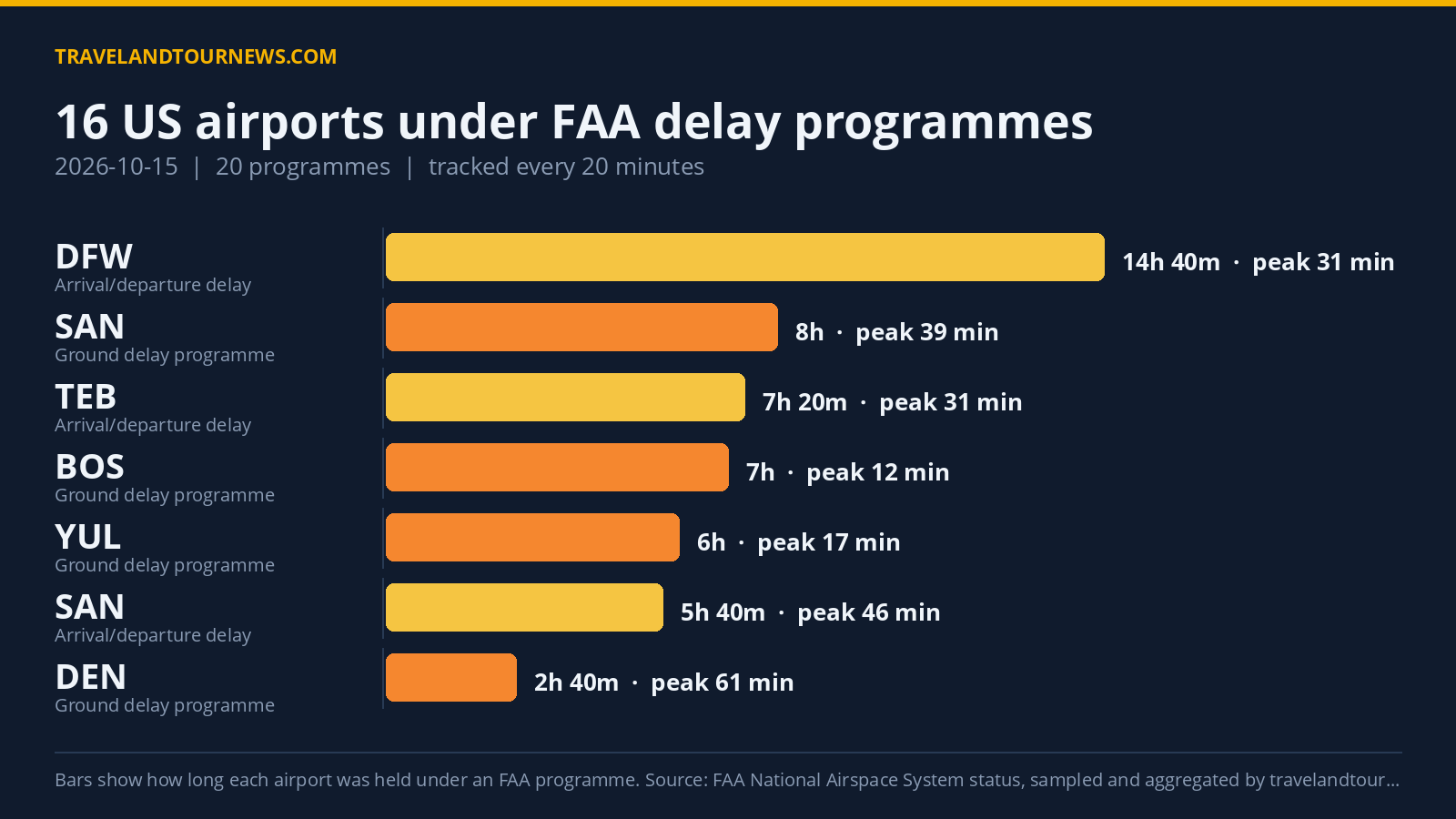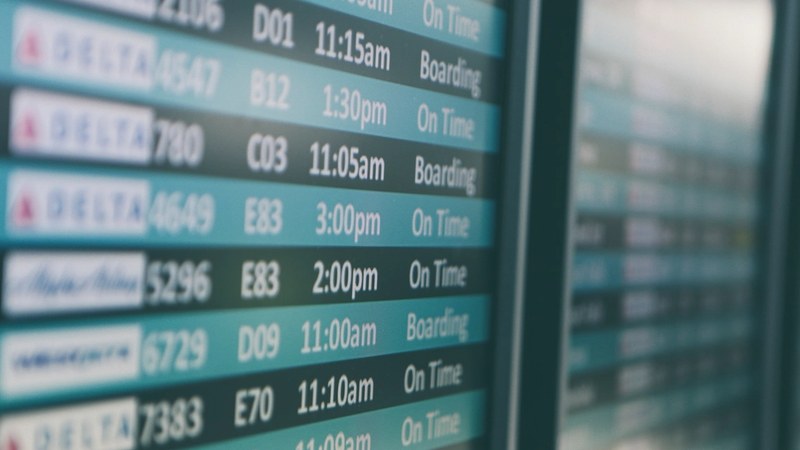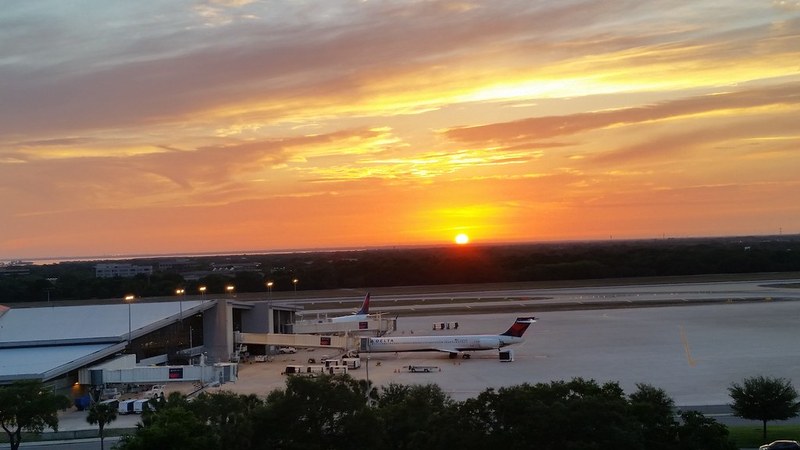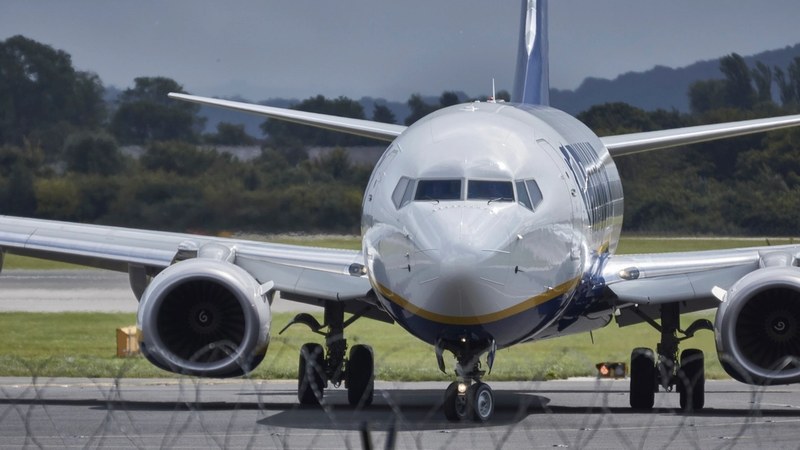
Chicago O’Hare International Airport recorded the highest number of flight delays and cancellations in the United States on Monday, August 10, 2026. The airport experienced 87 delays and 48 cancellations on that day, following a Federal Aviation Administration (FAA) ground stop on Sunday, August 9, 2026. The initial ground stop at O’Hare lasted over three hours from around noon to 3 p.m., with average delays near 100 minutes after the stop was lifted. Nationwide, at least 2,036 flights faced delays and 263 were canceled on August 10.
Flight Disruptions at Major U.S. Hubs
United Airlines reported 163 delays and 33 cancellations on August 10, 2026, making
it one of the most affected carriers that day. American Airlines and United Airlines issued flexible rebooking waivers for passengers flying through O’Hare on Sunday, August 9, allowing changes without fees or fare differences. Evening thunderstorms on August 9 contributed to 148 canceled departures and 124 canceled arrivals at O’Hare, intensifying the disruption. Ground stops were also in place at Chicago Midway, Denver International, Las Vegas International, and Tampa International airports starting Sunday due to severe convective weather.
FAA Ground Stop Protocol and Weather Impact
The FAA’s ground stop is its most restrictive traffic control action, designed to hold aircraft at departure airports to prevent saturation at
arrival hubs, according to the National Business Aviation Association. The severe weather affecting the Midwest and Northeast regions led to these ground stops, disrupting operations at several major airports. The prior weekend’s storms in the Northeast had already caused roughly 2,000 cancellations centered around John F. Kennedy International Airport and other hubs. These weather events, combined with crew and aircraft scheduling challenges, have contributed to extended delays in Midwest hubs like O’Hare.
Traveler Recommendations and Airline Responses
Passengers traveling through O’Hare during the disruptions were advised to keep essentials in carry-on bags and monitor airline apps closely for gate changes, delays, or cancellations. American and
United Airlines provided flexible rebooking options for affected travelers without penalty. MassLive recommended that passengers facing cancellations rebook promptly to expedite travel adjustments. Travelers at busy airports are encouraged to build additional connection time amid ongoing delays.
Industry Context and Weather-Related Delay Statistics
Flight schedules are approaching historical peaks, with Flightradar24 reporting a record 153,359 commercial flights worldwide in one 24-hour period during July 2026. The FAA attributes approximately 74.26% of U.S. flight delays over 15 minutes to severe weather disruptions. Extreme heat is contributing to operational challenges at airports such as Las Vegas’s Harry Reid International, where days exceeding 110°F have doubled since mid-20th-century averages,
affecting aircraft performance. FAA regulations finalized in 2024 require prompt refunds for domestic flight delays over three hours if passengers decline rebooking, though weather-related delays do not mandate compensation for hotel or meal costs.