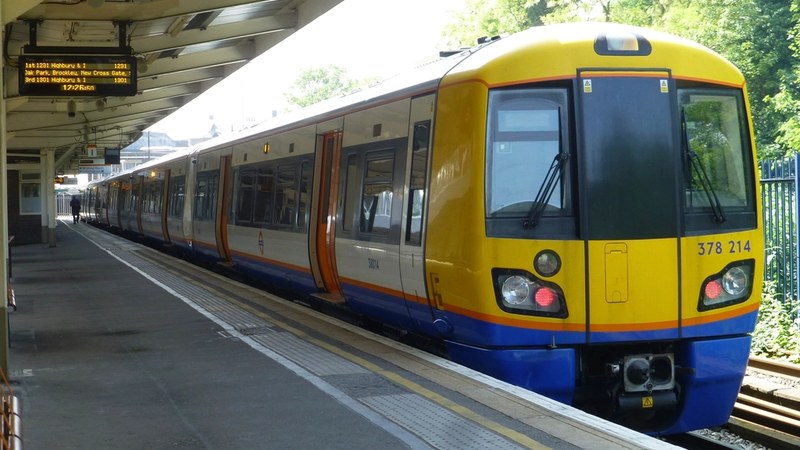
London’s Charing Cross and Waterloo East railway stations will be closed for 22 days from Sunday, July 26 until Sunday, August 16, 2026. During this period, no Southeastern Railway trains will serve these two key stations as part of a major engineering shutdown.
£20 Million Engineering Upgrade to Replace Track and Repair Bridges
This closure supports a £20 million programme led by Network Rail to carry out essential maintenance. Engineers will replace nearly two kilometres of track that has been in service for 36 years. The project also includes rebuilding sections of platform at Charing Cross, improving drainage systems, and executing structural repairs on the Waterloo East–London Waterloo pedestrian link
bridge and Hungerford Bridge. Scheduling the work over the summer holidays, when commuter demand drops by approximately 20%, limits the overall disruption by avoiding the need for over 60 separate weekend closures.
Alternative Routes and Transport Modes Available During Closure
Passengers will be able to travel on other London rail routes while Charing Cross and Waterloo East are closed. Southeastern trains will continue to serve London Victoria, Cannon Street, Blackfriars, and London Bridge stations. Ticket holders can use London Underground lines such as the Jubilee line between London Bridge and Waterloo, the Circle and District lines between Victoria, Blackfriars, Cannon Street and Embankment. Thameslink services are accessible between
Elephant & Castle, London Bridge, and St Pancras International, alongside Southern services to London Bridge and Victoria. London Buses will also accept tickets for affected routes.
Revised Timetables, Diverted Services, and Frequency Changes
Network Rail and Southeastern have announced extensive timetable adjustments during the closure. Trains that normally run to Charing Cross from Hayes via Lewisham will be diverted to London Bridge, with some stopping additionally at Lewisham and Elephant & Castle. Services to Orpington and Sevenoaks beginning or ending at Charing Cross will start and terminate instead at London Bridge, with alternative routing via Lewisham for some. Victoria to Orpington trains will reduce frequency to one
every 30 minutes from every 15 minutes. Other affected routes include changes to trains running to and from Hastings, Tunbridge Wells, Dover Priory, Ramsgate, Barnehurst, Gravesend, Dartford, and the Woolwich line, with some peak-hour trains cancelled, retimed, or diverted. Passengers should note altered first and last train times on many routes.
Passenger Advice and Journey Planning
Scott Brightwell, Safety, Planning and Performance Director for South Eastern Railway, acknowledged the inconvenience the closure will cause but highlighted available alternative routes. He urged passengers to check journey details before traveling and to allow extra time. Travelers are advised to use Southeastern’s journey planner, National Rail’s website, or
TfL Go for London Underground, buses, walking, and cycling route planning. Full ticket acceptance and refund information is published on Southeastern’s dedicated project webpage.
Official Statements on Project Importance and Network Rail’s Role
Scott Brightwell stated, “We know closing two of London’s busiest stations for more than three weeks will be inconvenient for many of our customers, and we’d like to thank them for their patience while this essential work takes place.” Network Rail emphasized that this work is vital to ensure the railway infrastructure remains safe and reliable for decades. The project is part of a wider multi-billion-pound Railway Upgrade Plan addressing passenger growth and network expansion. Network
Rail manages Britain’s infrastructure, including 20,000 miles of track and 30,000 bridges, tunnels, and viaducts.